
Last updated November 24, 2026
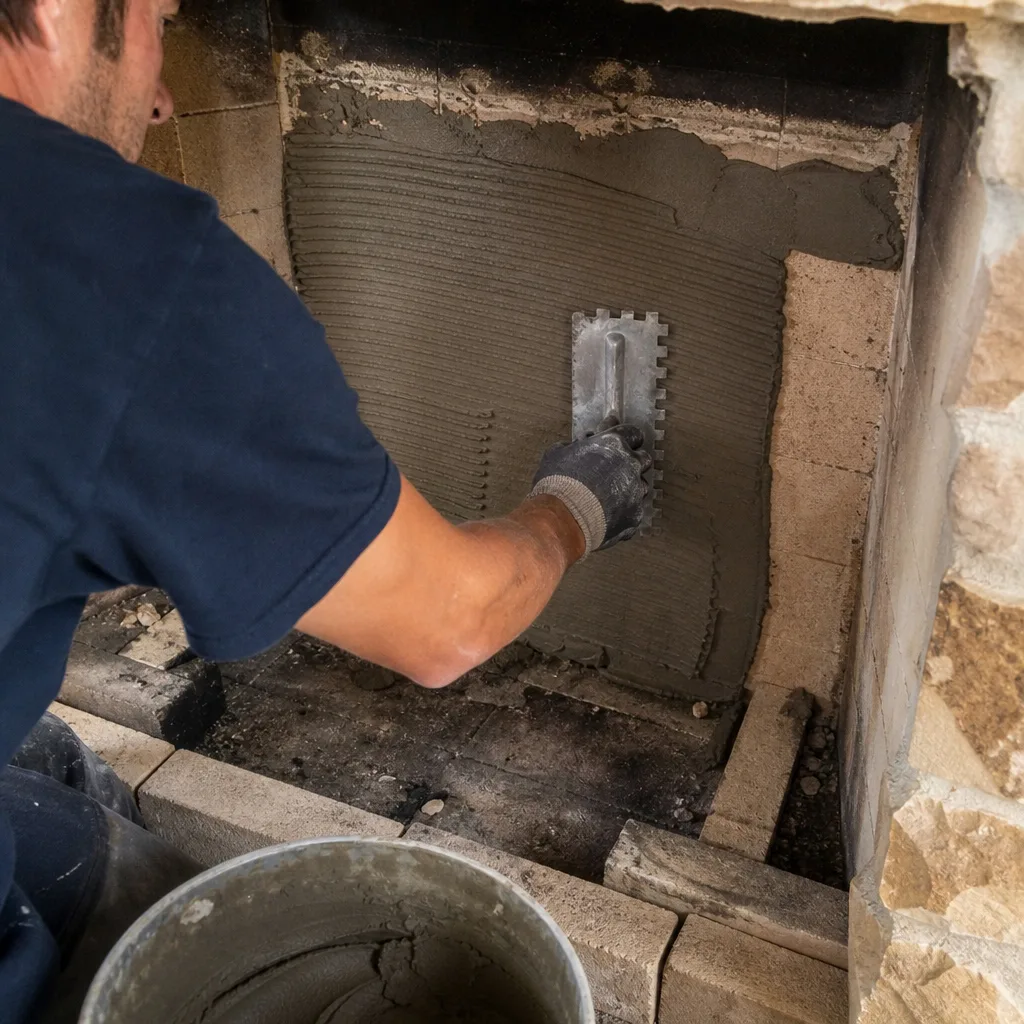
 Sweep & inspection
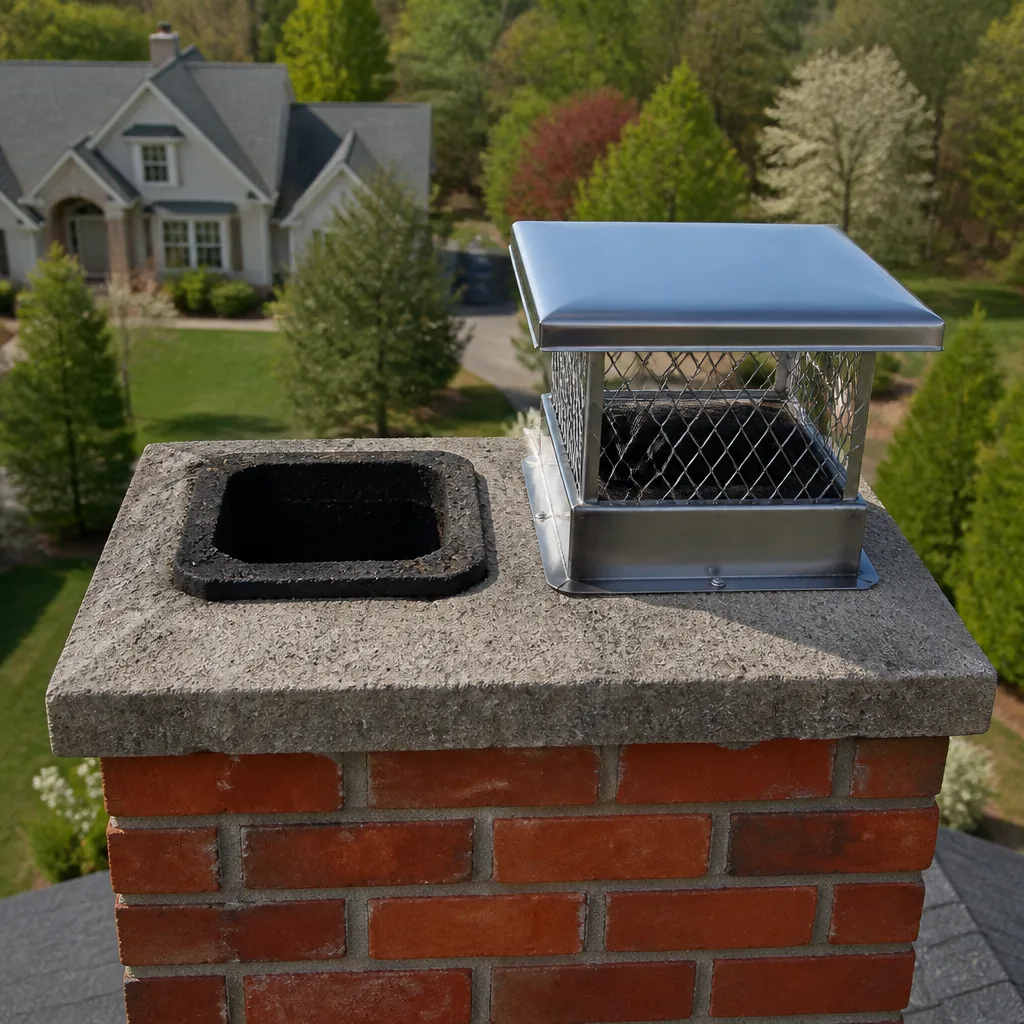
 Caps & crowns
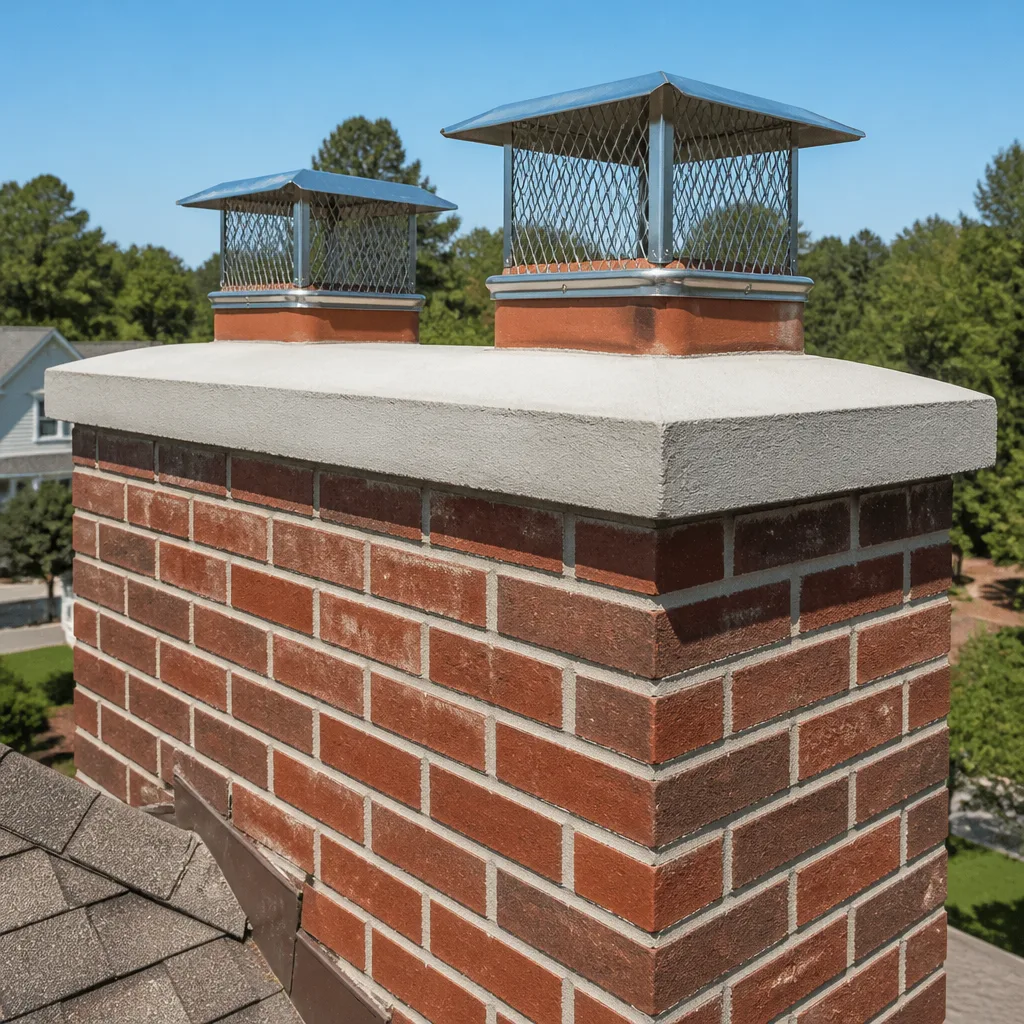
 Flue relining
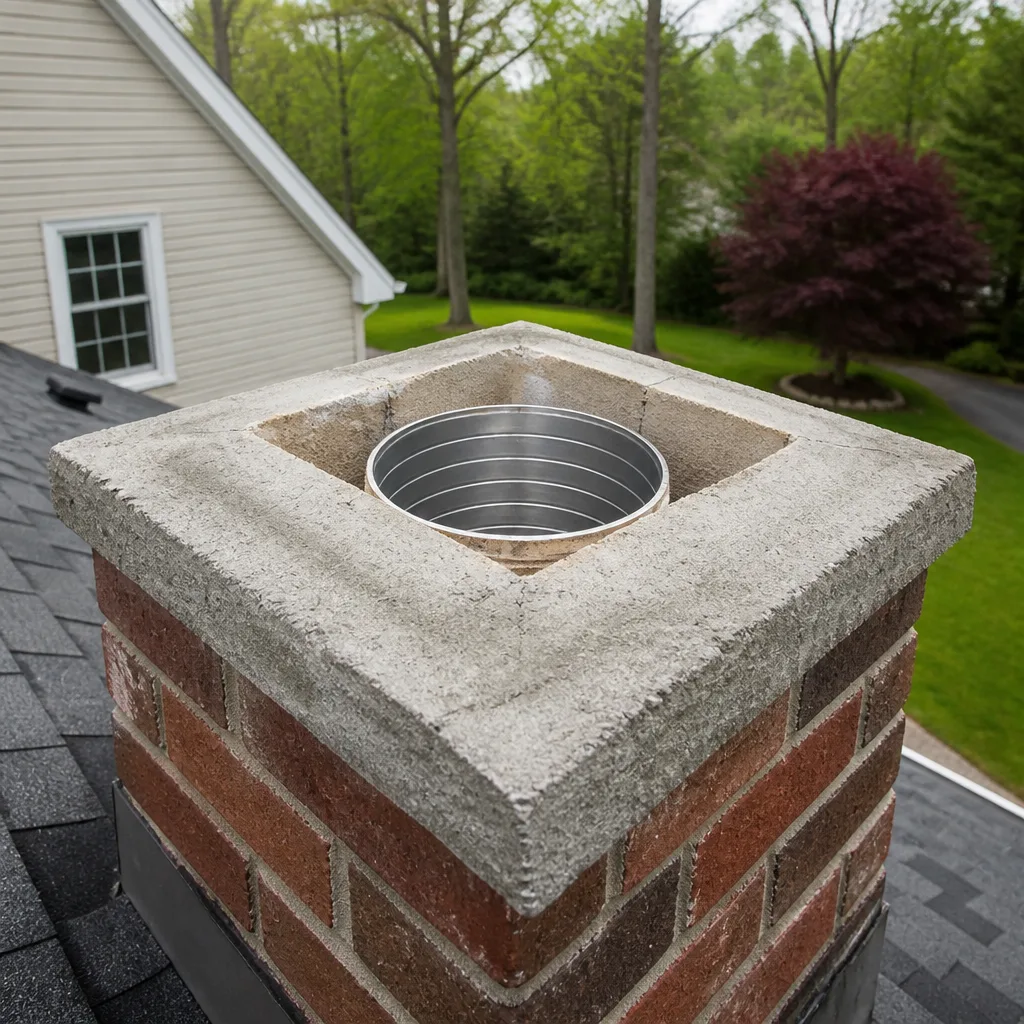
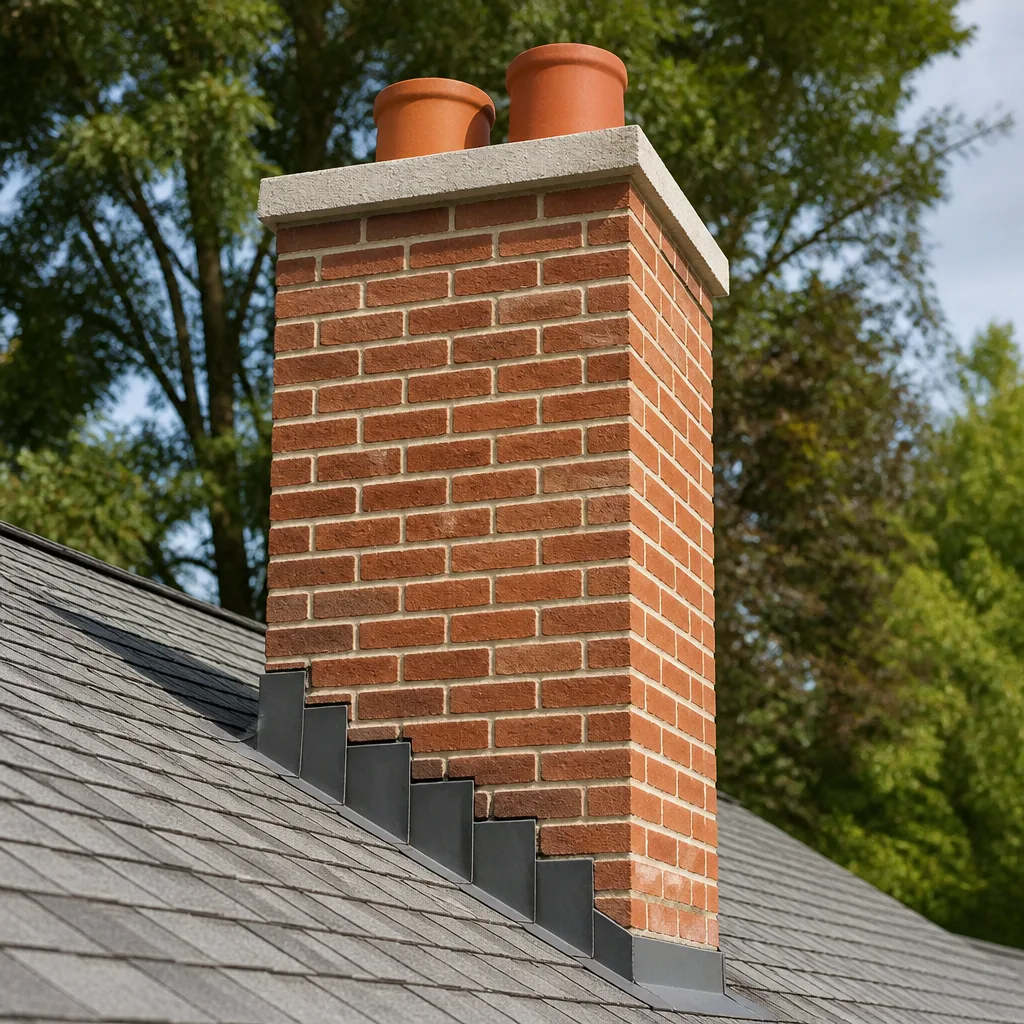 Masonry repair
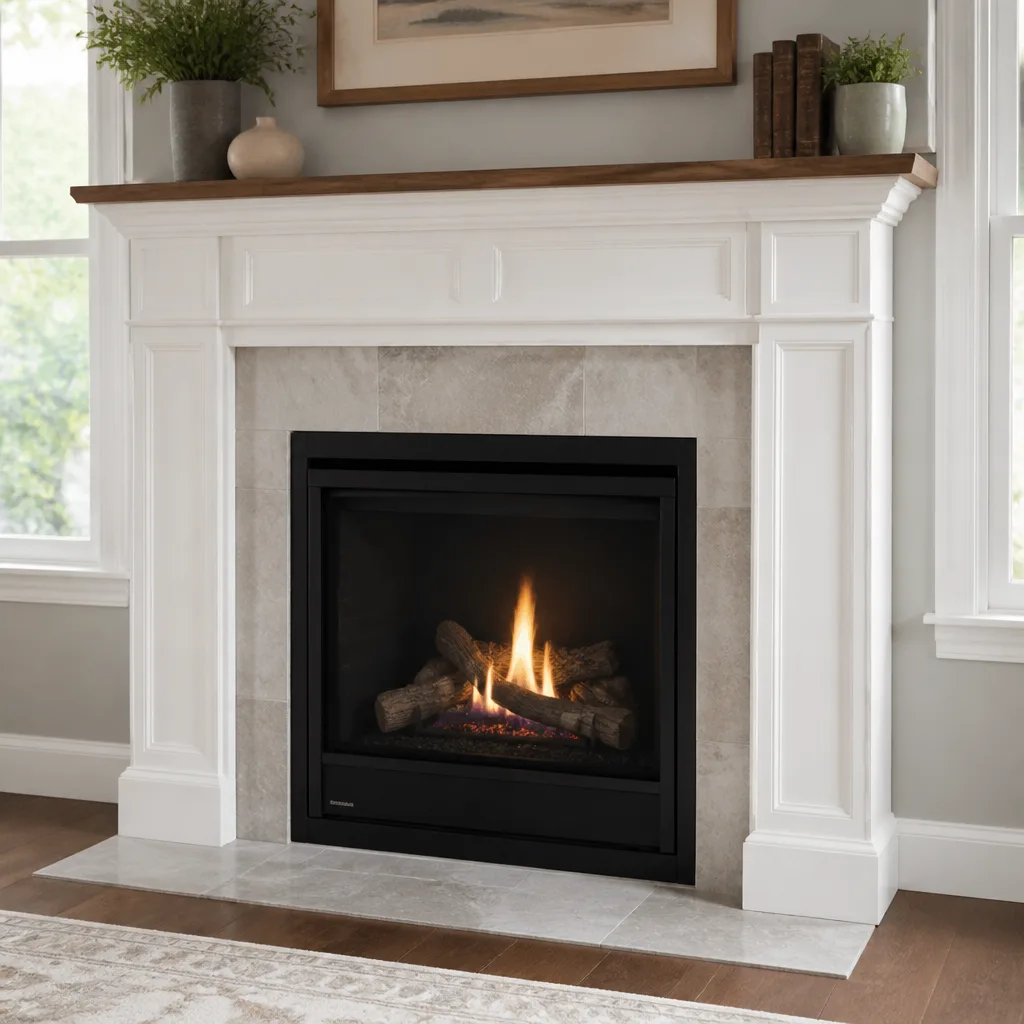 Gas fireplace service
Level 1 sweep and inspection to the NFPA 211 annual standard - flue, crown, cap, and flashing checked and photographed
Chimney sweep logs do not sweep chimneys. They loosen some creosote - which then falls where a brush and vacuum still have to collect it.
Chimney Sweep Maintenance Checklist for Westchase Homeowners
Most chimney maintenance checklists were written for a house that burns wood six months a year and sits under snow the other six. That’s not Westchase. Here, a fireplace often runs a few dozen fires between November and February, then the chimney sits mostly idle through months of heavy Gulf humidity. That idle stretch is when a lot of the real wear happens, and it’s the part generic national advice skips entirely. This guide gives you a component-by-component checklist built for a Houston-area chimney, tells you what you can safely look at yourself and what needs a camera, and shows you how to log findings year over year so slow deterioration gets caught before it turns structural.
Quick Answer
A chimney maintenance checklist for a Westchase home should cover eight components in order: firebox, damper, smoke shelf, flue and liner, crown, cap, flashing, and exterior masonry. Check the visible parts yourself a few times a year, have the flue and liner evaluated with a camera during an annual sweep, and treat any cracked crown, missing cap, or crumbling mortar joint as a scheduled repair rather than something to watch indefinitely. In this climate, the humid off-season matters as much as the burning season.
Styles & brands we work with
- Sweep & inspection
- Caps & crowns
- Flue relining
- Masonry repair
- Gas fireplace service
Table of Contents
- Why a Houston-Area Chimney Needs Its Own Checklist
- What You Can Safely Self-Inspect (and What You Can’t)
- Component-by-Component Checklist: Firebox to Cap
- Humidity-Specific Tasks for Westchase Chimneys
- How to Log Findings Year Over Year
- Red Flags That Stop Fireplace Use Immediately
- Building a Practical Maintenance Schedule
Why a Houston-Area Chimney Needs Its Own Checklist
A chimney in a cold climate dries out between burns. A chimney in Westchase often doesn’t. From spring through fall, the air here holds a lot of moisture, and masonry is porous. Brick and mortar pull that moisture in, hold it, and release it slowly. When the chimney is also being heated from inside during the cooler months, that moisture moves through the masonry in a different pattern than it would in a dry climate. The result is that the exterior of the chimney takes more of the wear than the firebox does, which is the opposite of what most homeowner checklists assume.
There’s a second difference. Many Westchase homes were built in subdivisions where chimneys are on exterior walls rather than tucked inside the roofline. An exterior chimney is fully exposed to humidity on three sides, plus sun on the fourth. That combination drives two specific problems we look for on nearly every inspection in this part of Houston:
- Spalling brick. Moisture gets into the brick face, expands, and pops the front layer off. You’ll see flakes or chips on the ground near the chimney base or on the roof.
- Efflorescence. A white, chalky powder on the brick or mortar. It’s the salt left behind when moisture moves through masonry and evaporates. Efflorescence itself is not damage, but it tells you moisture is moving through the wall, which is the condition that leads to damage.
Neither of those shows up on a cold-climate checklist, because in a cold climate they’re rare. Here they’re routine. That’s the reason a Westchase homeowner needs a checklist tuned to this climate rather than a printout from a national franchise. If you only check the inside of the firebox once a year, you’ll miss the part of the system that’s actually degrading.
At Chimney Sweep Westchase, we inspect what we sweep, which means the annual appointment covers the exterior and the flue, not just the firebox. Our technicians have up to 9 years of experience, and the pattern they see most often in Westchase is a chimney that was cleaned faithfully but never evaluated for moisture damage.
What You Can Safely Self-Inspect (and What You Can’t)
You can safely look at a surprising amount of your chimney. You should not go on the roof, and you should not open up the firebox to inspect the flue or damper assembly beyond simple operation. The roof is the hard line: a steep or wet roof is a fall risk, and a fall from roof height is a serious injury. Leave anything above the roofline to a professional with the right access. Inside, you can check everything reachable from the hearth without tools, plus the visible exterior from the ground with binoculars.
Safe for you to check from the ground and the hearth
- Creosote buildup inside the firebox and at the top of the firebox opening. Look for shiny, tar-like deposits or a fuzzy black coating. Shiny, glazed creosote is a fire hazard and the sign you’re overdue for a sweep.
- Damper operation. Open and close it by hand a few times. It should move without grinding, and it should sit flush when closed. If it sticks, warps, or won’t fully close, that’s a fireplace repair item, not a sweeping item.
- Visible cracks in the firebox brick or mortar joints. Hairline cracks in the firebrick are common and not always urgent. Cracks wider than a hairline, or missing chunks of mortar between firebricks, need a professional look before the next fire.
- Exterior from the ground with binoculars. Look for missing cap, a visibly cracked crown at the top of the chimney, white chalky powder (efflorescence), flaking brick faces, crumbling mortar joints, or rust streaks on the flashing where the chimney meets the roof.
- The cap from below. If you can see the top of the chimney, confirm the cap is present and not rusted through or tilted.
Requires professional access or a camera
- The flue interior and liner condition. You can’t see the flue from the firebox with any useful accuracy. It takes a camera. Liner cracks, gaps at joints, and hidden creosote glazing all happen where you can’t see.
- The smoke shelf and smoke chamber. These are behind the damper and above the firebox throat. They collect creosote and debris, and they’re where a lot of drafting problems originate.
- The crown, flashing, and roof-level masonry. These are roof-access items. If you can see them with binoculars and they look fine, that’s a good sign, not a clearance. The high-side flashing, the part hidden behind the chimney, only shows up on the roof.
- Clearance from combustibles. The gap between the chimney and framing or insulation is a code and safety item, and it requires access to the attic or the chase.
Self-inspection catches obvious changes. It doesn’t replace a camera evaluation. For homeowners who want the full picture, our chimney sweep appointment includes a camera inspection and a photo report, so you see what we see.
Component-by-Component Checklist: Firebox to Cap
Here’s the checklist itself, in the order a sweep works through the system. Each component has a specific thing to look for during the year and a specific thing that requires professional attention. Print this section or copy it into a note on your phone. It’s the core of the guide.
1. Firebox
The firebox is the box the fire sits in. It’s built with firebrick and refractory mortar, designed to take direct heat. What to look for: hairline cracks in the firebrick are normal and expected. Cracks wider than a hairline, missing mortar between firebricks, or any firebrick that’s loose enough to move by hand is a repair item. The rear firebrick (the one facing the room) often wears first because it takes the most heat. What needs a professional: any structural crack, a firebrick that’s loose, or a firebox floor that shows a crack through the hearth.
2. Damper
The damper is the metal door above the fire. It should open fully, close fully, and stay in position when set partway. What to look for: grinding, sticking, rust, or a door that won’t seat flush when closed. A damper that won’t close lets heated air out of the house and cold air in, even when you’re not burning. What needs a professional: a damper that’s warped, a hinge that’s broken, or a damper that won’t fully close. This falls under fireplace repair rather than sweeping.
3. Smoke Shelf
The smoke shelf is a horizontal ledge just behind the damper, at the transition into the smoke chamber. It’s the part of the chimney most likely to collect debris and creosote in a way that affects draft. What to look for: this is not a homeowner-visible component. What needs a professional: every sweep should reach it and clear it. If your fireplace smokes when you first light it, a loaded smoke shelf is one of the first things to check.
4. Flue and Liner
The liner is the flue’s protective wall. It’s what keeps the smoke and heat away from the masonry or framing outside it. What to look for: you can’t see the liner from below; it requires a camera. During your annual sweep, ask for a camera view of the whole flue, including the top third. Liners fail at joints, at the top near the cap, and where they bend. What needs a professional: any cracked or separated liner section is a stop-use condition until it’s evaluated. A failed liner lets heat and creosote reach materials that can’t take it. This is the component where we most often find work that a previous sweep missed.
5. Crown
The crown is the concrete or masonry cap at the very top of the chimney that slopes away from the flue. Its only job is to shed water. What to look for: a crack that lets water behind it, a crown that’s crumbled at the edges, or a crown that has stopped sloping. What needs a professional: any crack wide enough to catch a fingernail, or any crumbling. A failed crown is the entry point for the moisture that causes spalling and joint erosion below it. See our chimney cap & crown page for what repair involves.
6. Cap
The cap is the cover over the top of the flue, with screening on the sides. Its job is to keep rain, animals, and debris out while letting smoke through. What to look for: a missing cap is the most obvious problem and the most common. A rusted-through cap, a cap that’s tilted, or torn screening on the sides also need attention. What needs a professional: replacement. Caps we install use Gelco and Famco covers chosen for how they hold up in this climate, not for price alone.
7. Flashing
Flashing is the metal where the chimney meets the roof, and it’s what keeps roof water from running down the chimney sides into the house. What to look for: rust streaks, lifted edges, or visible gaps. You may be able to spot these with binoculars from the ground on the visible sides, but the high side is hidden. What needs a professional: any lifted or rusted flashing section, and any sign of water staining on the ceiling or framing near the chimney inside the house.
8. Exterior Masonry
Brick and mortar joints on the exterior of the chimney. What to look for: spalling brick (flaking faces), efflorescence (white chalky powder), and mortar joints that have receded behind the brick face. Run your hand or a fingernail across an accessible joint; if the mortar is soft or crumbles easily, it’s failing. What needs a professional: receded or soft joints, spalling brick on more than a few courses, and any area where you can see daylight between the chimney and the house wall.
Humidity-Specific Tasks for Westchase Chimneys
The humid off-season is when the exterior of a Westchase chimney does most of its aging. The tasks below are the ones that show up here and almost never make it onto a national checklist. None of them involve the cold; they all involve moisture and how long it sits.
Efflorescence: read it, don’t scrub it away
White powder on the brick is a moisture meter, not a stain. It means water is passing through the masonry and evaporating on the surface. If you scrub it off, it comes back, because the water source is still moving. Log where it appears and how much. Efflorescence that appears after heavy rain in the same area every year is a sign that water is getting in somewhere specific, usually through a failed crown or a bad flashing joint. Track it. Don’t just clean it.
Spalling brick: track the speed, not just the presence
Spalling is when the face of a brick flakes off, usually from moisture freezing inside or from salt movement. In a mild climate, spalling is less about freezing and more about long-term moisture cycling. A few flakes are common. The question is whether spalling is progressing. Photograph the chimney exterior from the same angle every spring. If the flaked area has grown noticeably year over year, the masonry is losing its water resistance, and that’s a repair item.
Mortar joint erosion: the slow timeline
Mortar is softer than brick, and it weathers first. In this climate, joints that were pointed (re-filled) years ago can recede again within a few seasons if the chimney is on an exterior wall and takes rain. Check the joints every spring, after the rainy months. When a joint has receded more than a quarter inch behind the brick face, water can pool on the exposed brick edge above it, and that’s when spalling accelerates. Repointing is the repair.
Damper and firebox humidity
When a fireplace is idle for months, the firebox stays cool and damp. Rust on the damper assembly, a musty smell when you open the damper for the first fire of the season, or a firebox that feels damp to the touch are all normal in this climate. None requires repair by themselves, but they’re a reason to open the damper occasionally in the off-season and let the firebox dry. If the musty smell doesn’t clear after the first few fires, or if you see water stains at the firebox edges, that’s a flashing or crown issue, not a firebox issue.
Keep the cap on for the off-season, not just the burning season
The impulse is to think of a cap as protection from rain while you’re burning. The cap does more work during the off-season, when a missing or damaged cap lets rain directly into the flue for months. A flue that stays wet through the humid season is a flue that will show liner problems sooner. If your cap is missing, replacing it is the single highest-value maintenance item on this list.
How to Log Findings Year Over Year
A checklist you use once is a checklist. A checklist you keep is a maintenance record, and a record is what lets you spot slow deterioration. Here’s a simple method that works for a Westchase homeowner, and it’s the same one we use to decide whether a repair can wait or needs to happen now.
- Pick a fixed inspection date each year. Late spring, after the rainy season and after you’ve stopped burning, works well. Same month every year makes comparisons meaningful.
- Photograph the chimney exterior from the same two or three angles every time. Same distance, same height. A side view and a view from the corner that shows the crown and the flashing.
- Write down five things every year, in the same order. Efflorescence (none, light, heavy, location). Spalling (none, few bricks, more than a few, growing). Mortar joints (intact, receded, soft). Cap (present, damaged, missing). Damper (moves freely, sticky, won’t close).
- Keep the sweep’s photo report in the same folder. A camera report shows the inside of the flue; your photos show the outside. Together they cover the whole system.
- Compare this year’s notes to last year’s before you decide anything. If it’s unchanged for three years, it’s stable. If it’s changed, that’s the signal. Gradual change is the thing a single inspection can’t catch and a record can.
This is the part most homeowners skip, and it’s the part that prevents surprises. A chimney that fails suddenly is usually a chimney that was failing slowly and wasn’t being tracked.
Red Flags That Stop Fireplace Use Immediately
Most findings on a checklist can wait for a scheduled appointment. A few cannot. Here are the stop-use conditions. If any of these are present, don’t light a fire until a professional has evaluated the chimney.
- A cracked or separated liner, or any liner damage visible on camera. The liner is what stands between the fire and the materials around it. A failed liner lets heat and creosote reach framing and masonry that can’t take it.
- Glazed, shiny creosote in the flue or the top of the firebox. This is the form of creosote that ignites. A chimney fire is what this leads to.
- A blocked flue. A bird nest, a collapsed liner section, or heavy debris can block the flue. Smoke backing into the room is the sign. A blocked flue sends carbon monoxide into the house instead of up the chimney.
- Water staining on the ceiling or wall near the chimney. That’s a flashing or crown failure that’s already letting water into the structure.
- A loose or displaced firebrick, or a crack through the firebox floor. The firebox is being held together by the firebrick. This is a stop-use condition until it’s evaluated.
- A damper that won’t open, or won’t stay open. You can’t burn safely without a working damper.
- Any smell of smoke in the house when you’re not burning, or a strong smoke smell that persists after the fire is out. This usually means a draft problem or a leak at the chimney-to-house joint.
Everything else on this checklist (efflorescence, early spalling, receded joints, a missing cap, a cracked crown that isn’t letting water in) is a scheduled repair, not a stop-use condition. Being able to tell the difference is what keeps you from panicking over a checklist item that can wait, and what keeps you from burning a fire in a chimney that can’t take it.
Carbon monoxide: the reason the flue matters
A wood-burning fireplace and its chimney are a carbon monoxide path into the house when the flue is blocked or the draft reverses. Carbon monoxide has no smell and no color, which is why the blocked-flue and failed-liner items are on the stop-use list rather than the watch list. A working carbon monoxide detector on each level of the house is worth having alongside any chimney maintenance plan. Don’t burn a fire in a chimney with a known flue problem to see if it’s fine.
Building a Practical Maintenance Schedule
Here’s how the checklist turns into a schedule. It’s not a once-a-year event. It’s a few light tasks through the year and one professional appointment that covers the parts you can’t reach.
- Before the first fire of the season. Open and close the damper. Look in the firebox for glazed creosote. Look up at the cap from the ground. Confirm nothing has changed since last year.
- A few times during the burning season. Check the firebox for new creosote at the top of the firebox opening. Clear ash from the firebox floor if it’s built up. If you notice smoke backing into the room, stop and call.
- Once a year, professionally. A sweep and a camera inspection. The sweeping removes the creosote; the inspection shows you the liner, smoke shelf, and the rest of the flue. This is the appointment that produces the photo report.
- Late spring, after the rainy season. Walk the exterior from the ground with binoculars. Efflorescence, spalling, joint recession, cap condition, crown condition. Photograph it. Add it to the log.
- When the log shows change. If spalling has grown, a joint has receded further, or the crown has a new crack, that’s when you book the repair. Not every spring, not on a schedule, but when the record says something is moving.
The two skills here are: knowing what to look at yourself, and knowing when a change is worth a repair. Most Westchase homeowners are comfortable with the first after one season. The second is what a specialist is for. HeatShield restoration is a good example. When a liner is sound but the flue surface is rough or pitted, heat shield resurfacing can restore it without a full reline, which saves the cost of a new liner. That’s an option you only hear about if the person evaluating the flue has the equipment and the training to offer it, and it’s a judgment call on the state of the liner, not a default.
Common Mistakes to Avoid
- Treating the annual sweep as the whole plan. A sweeping appointment removes creosote; it doesn’t track exterior moisture damage through the year. The moisture damage in this climate shows up between appointments, and if you’re not logging the exterior, you’ll only hear about it after it’s structural.
- Scrubbing efflorescence off the brick. It comes back, because the water that produced it is still moving through the masonry. Track where it appears and how much instead. It’s a moisture signal, not a stain.
- Assuming a cool-climate checklist applies here. Ice, freeze-thaw cycles, and snow load don’t drive chimney wear in Houston-area weather. Humidity, off-season moisture, and spalling brick do. A checklist built for a Minnesota heating season misses the parts of the system that age fastest in Westchase.
- Getting on the roof to check the crown and cap yourself. Things above the roofline are the most dangerous part of any chimney task. Check them with binoculars from the ground and leave the roof to a professional.
- Skipping the camera inspection because “it looks fine from the firebox.” The liner is the component that matters most and it’s not visible from below. A sweep without a camera view isn’t an inspection of the liner. It’s a cleaning. Those are different things.
- Ignoring a missing cap through the off-season. A cap is cheap compared to what months of rain in an uncapped flue does to the liner. If you replaced nothing else this year, replace a missing cap.
- Panicking over every checklist item. A hairline firebrick crack, a little efflorescence, or a firebox that smells musty after a long idle season is not a stop-use condition. Knowing the difference between a repair on the schedule and a red flag is half of keeping a chimney healthy without spending on things that can wait.
See the difference
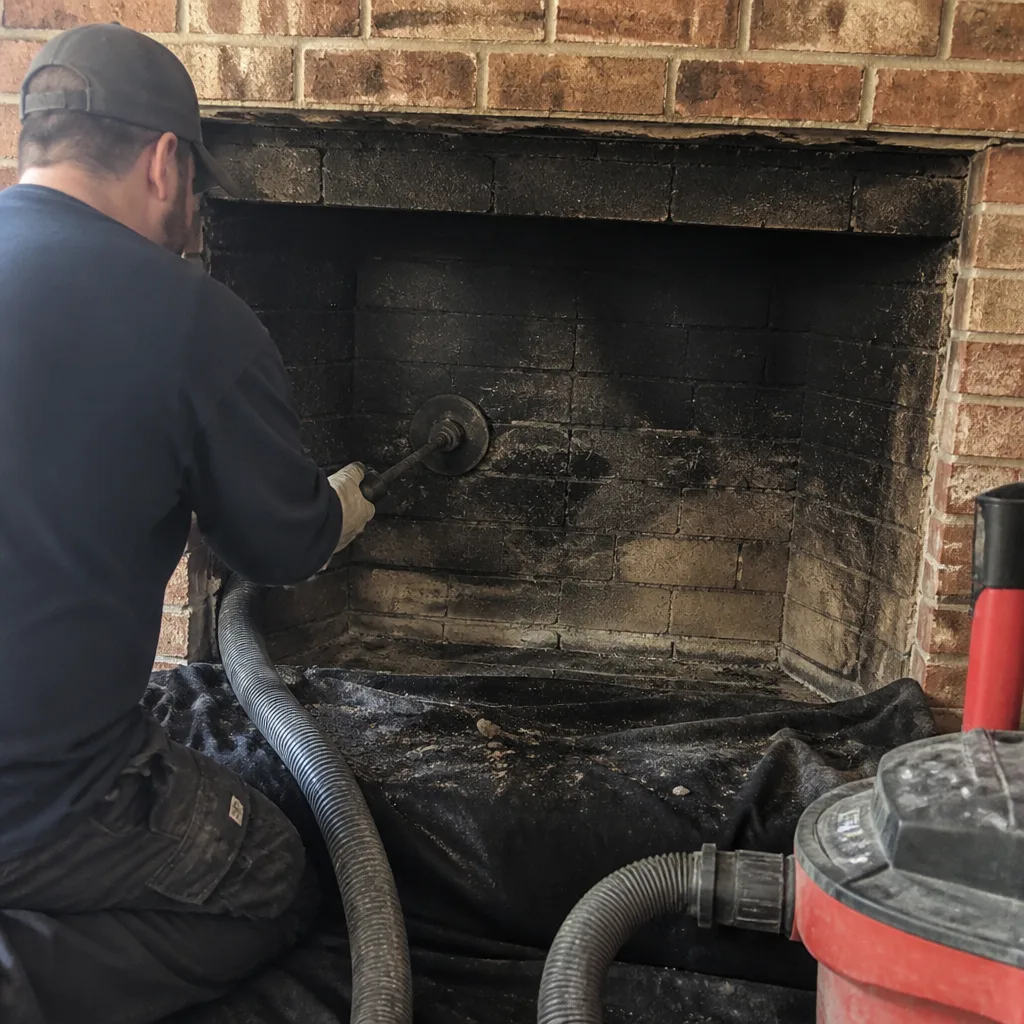 Before
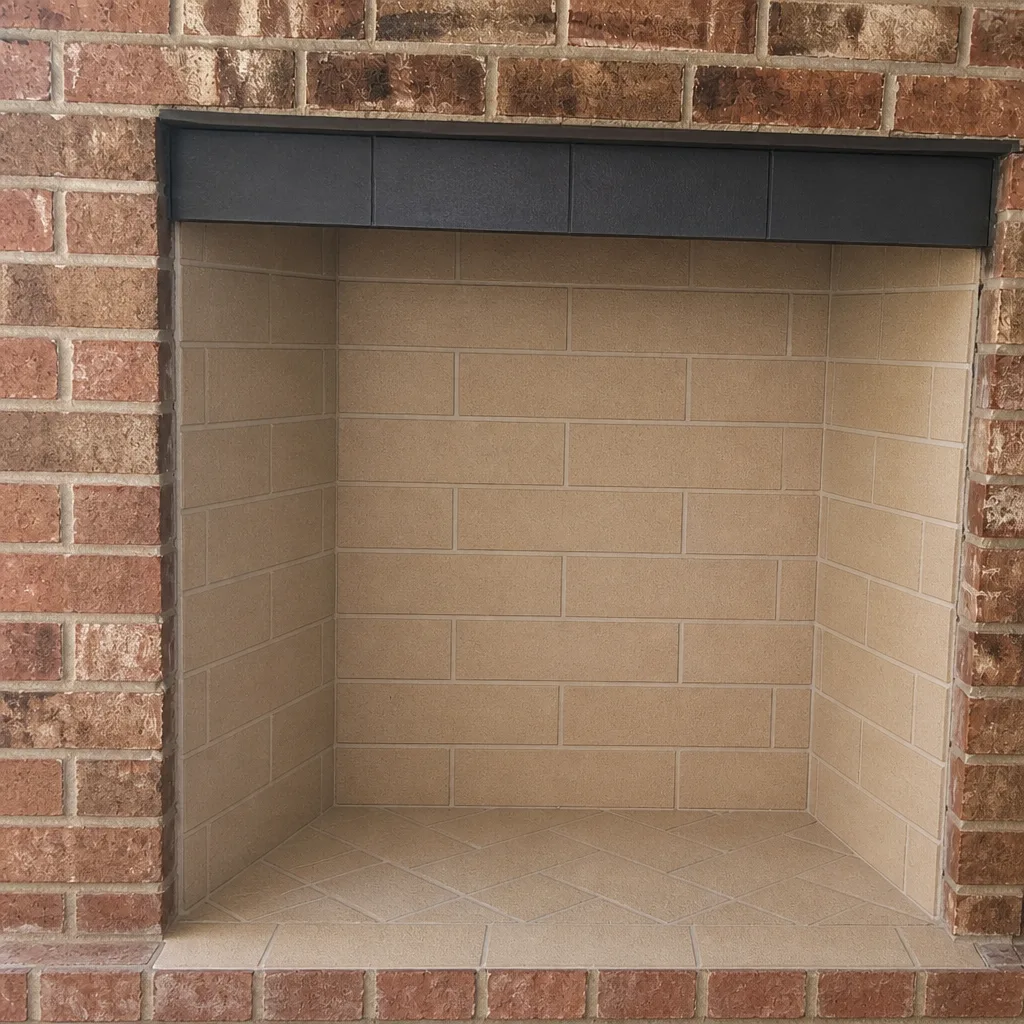 After
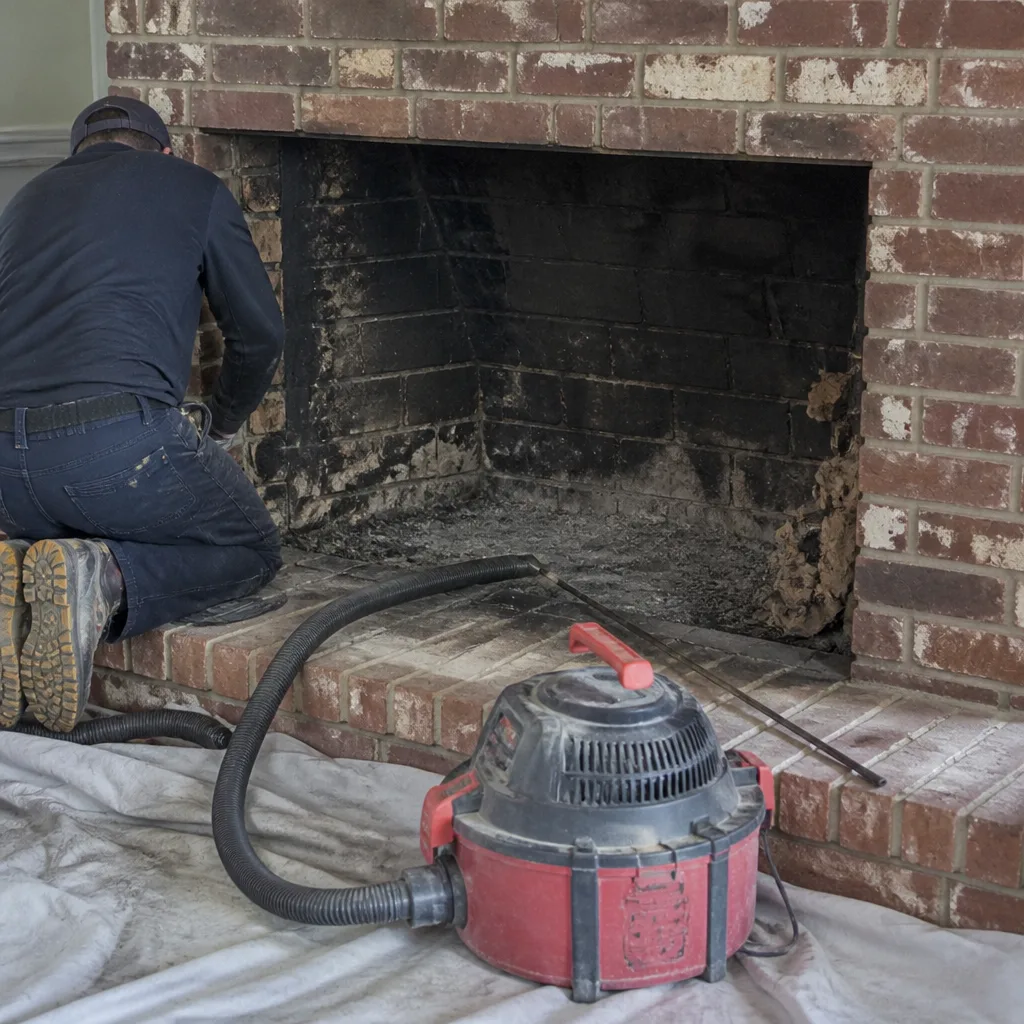 Before
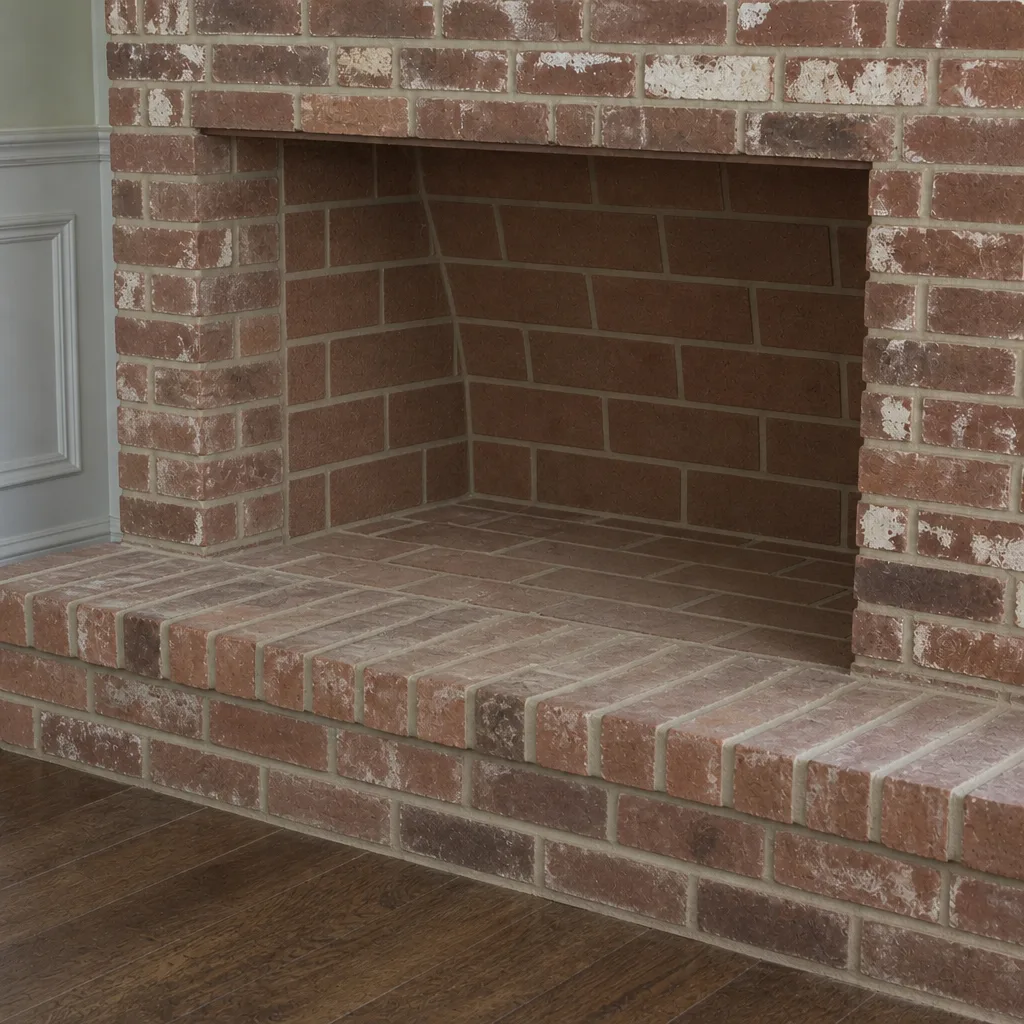 After
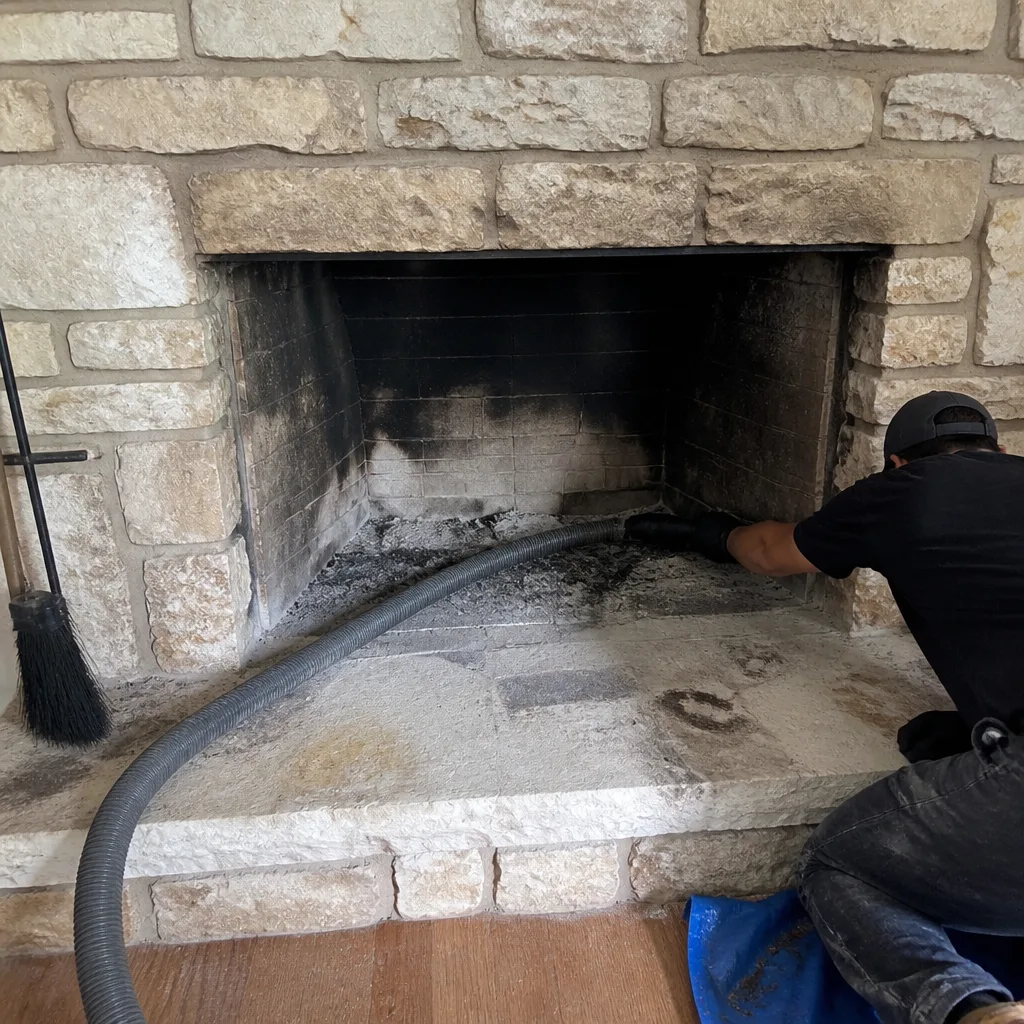 Before
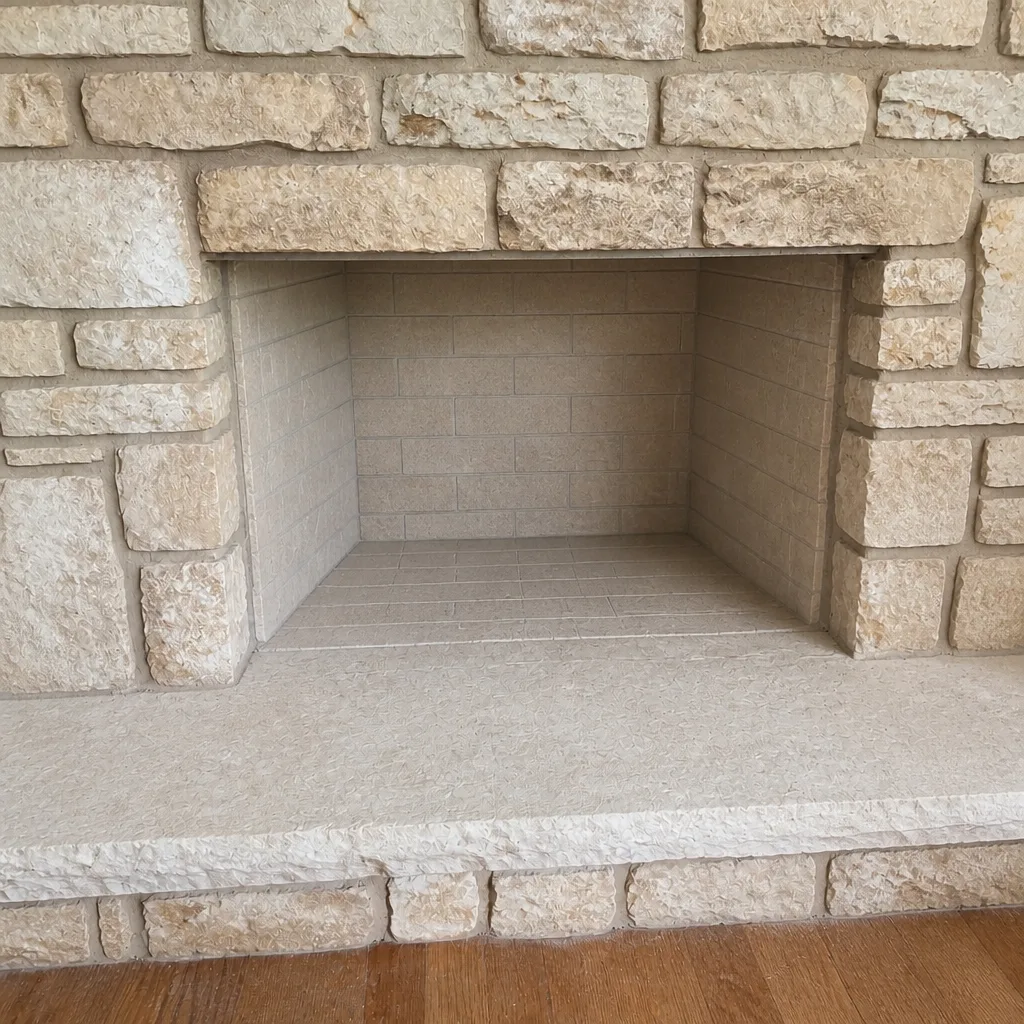 After
When to Call a Professional
Call a specialist when you find any stop-use red flag: a cracked or separated liner, glazed creosote, a blocked flue, water staining near the chimney, or a firebox that’s lost a firebrick. Call when the annual log shows movement: spalling that’s grown, joints that have receded with the seasons, a new crown crack, or a cap that’s gone. Call before your first fire of the season if it’s been more than a year since the flue was cleaned and evaluated. And call when you’ve had a sweep before but no straight answer about the liner, the crown, or the smoke shelf. Chimney Sweep Westchase offers free estimates in Westchase. Call (844) 443-3785. We answer 24/7. Fast dispatch from 7am to 7pm, Sunday through Friday.
Frequently Asked Questions
Once a year is the right baseline for a fireplace that’s used through the cooler months, plus any time you’ve burned heavily or the checklist shows glazed creosote. Because the humid off-season also drives exterior wear, the annual appointment should include a camera inspection of the liner, not just the sweep itself. Call (844) 443-3785 for a free estimate.
A sweep removes creosote and debris from the firebox, smoke shelf, and flue. An inspection evaluates the liner, crown, cap, flashing, and exterior masonry and tells you what condition each is in. We inspect what we sweep, so a single appointment does both, and you get a photo report of what the camera saw. Call (844) 443-3785 for a free estimate.
Yes, if you want to know the liner is sound. The liner is not visible from the firebox, and liner failures don’t announce themselves. A camera view of the full flue, top third included, is the only way to know whether the liner has cracks or separated sections. Call (844) 443-3785 for a free estimate.
Efflorescence itself is harmless, but it means moisture is passing through the masonry, which is the condition that leads to spalling brick and mortar joint erosion. Treat it as a signal to check the crown and flashing, not as something to scrub off and forget. If it’s heavy or new this season, book an inspection. Call (844) 443-3785 for a free estimate.
No, because the failure that causes a chimney fire or a carbon monoxide problem happens on the inside, where you can’t see it. Creosote builds up with every fire and a sweep is the only way to remove it, and liner cracks don’t produce a symptom until they’re severe. The annual appointment is what catches both early. Call (844) 443-3785 for a free estimate.
Creosote accumulates, which raises the risk of a chimney fire. Exterior moisture damage progresses quietly, and a crown crack or receded joint that could have been repointed turns into spalling brick and eventually structural masonry. The damage is slow, which is what makes a year-over-year log so useful. Call (844) 443-3785 for a free estimate and a camera inspection.
The Bottom Line
A chimney maintenance checklist is a record, not an annual errand. For a Westchase home, that means looking at the components you can reach, having the liner evaluated on camera once a year, walking the exterior after the rainy season, and logging the same five findings every spring so you can tell a stable chimney from one that’s moving. The stop-use list is short and specific. Everything else on the list can be scheduled rather than dreaded. Do this consistently and a chimney stops being the part of the house you hope will be fine, and starts being one you can actually assess. Our technicians have up to 9 years of experience across the full system, from the firebox up through the flue, chimney cap & crown work, and the exterior masonry. Call (844) 443-3785 for a free estimate. We answer 24/7. Fast dispatch from 7am to 7pm, Sunday through Friday.
Written by the team at Chimney Sweep Westchase.