
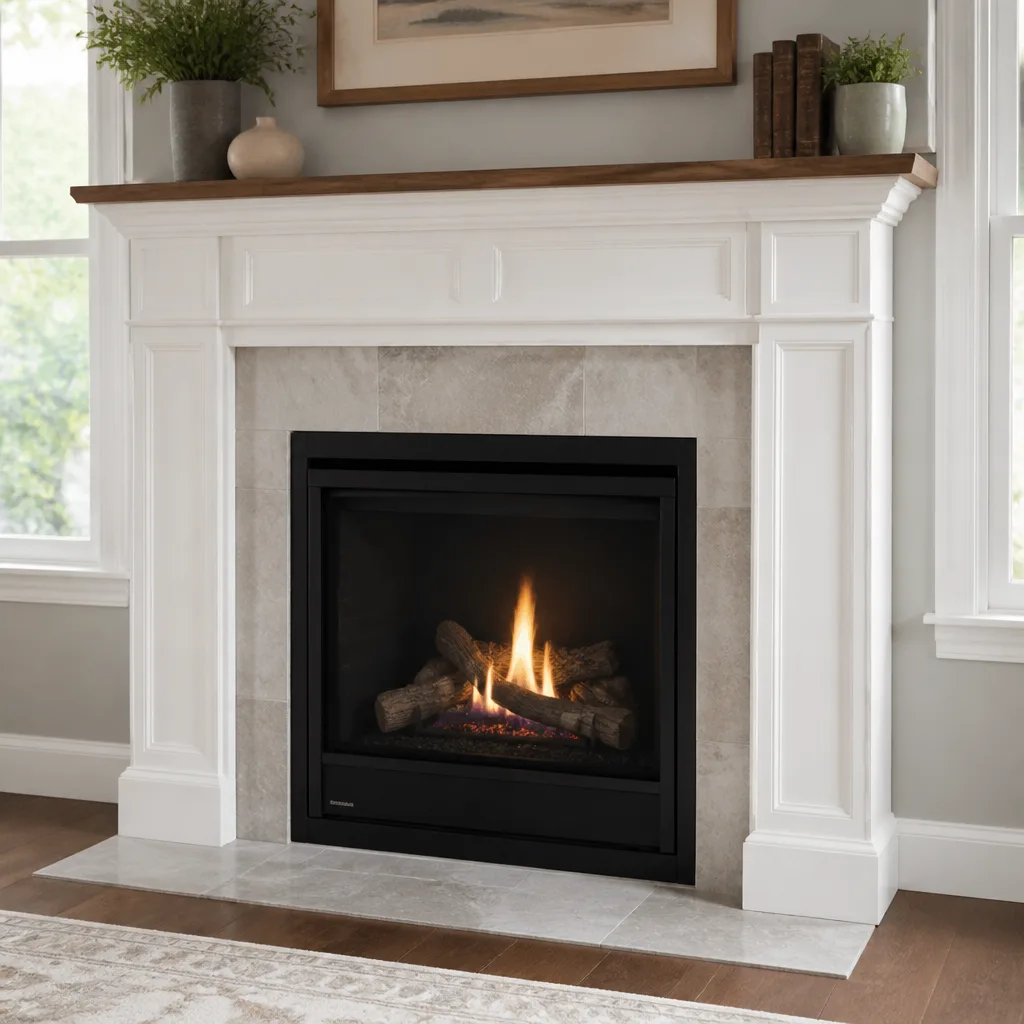
 Gas fireplace service
 Sweep & inspection
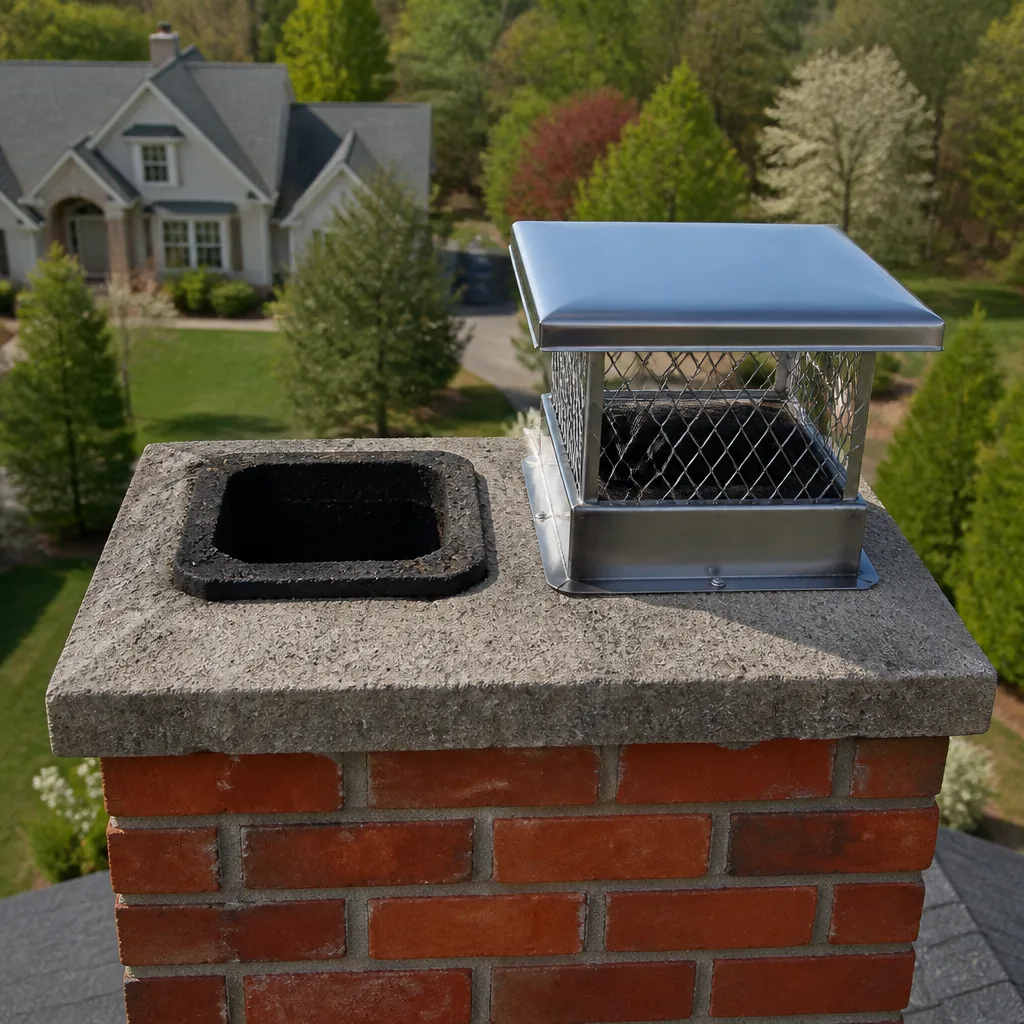
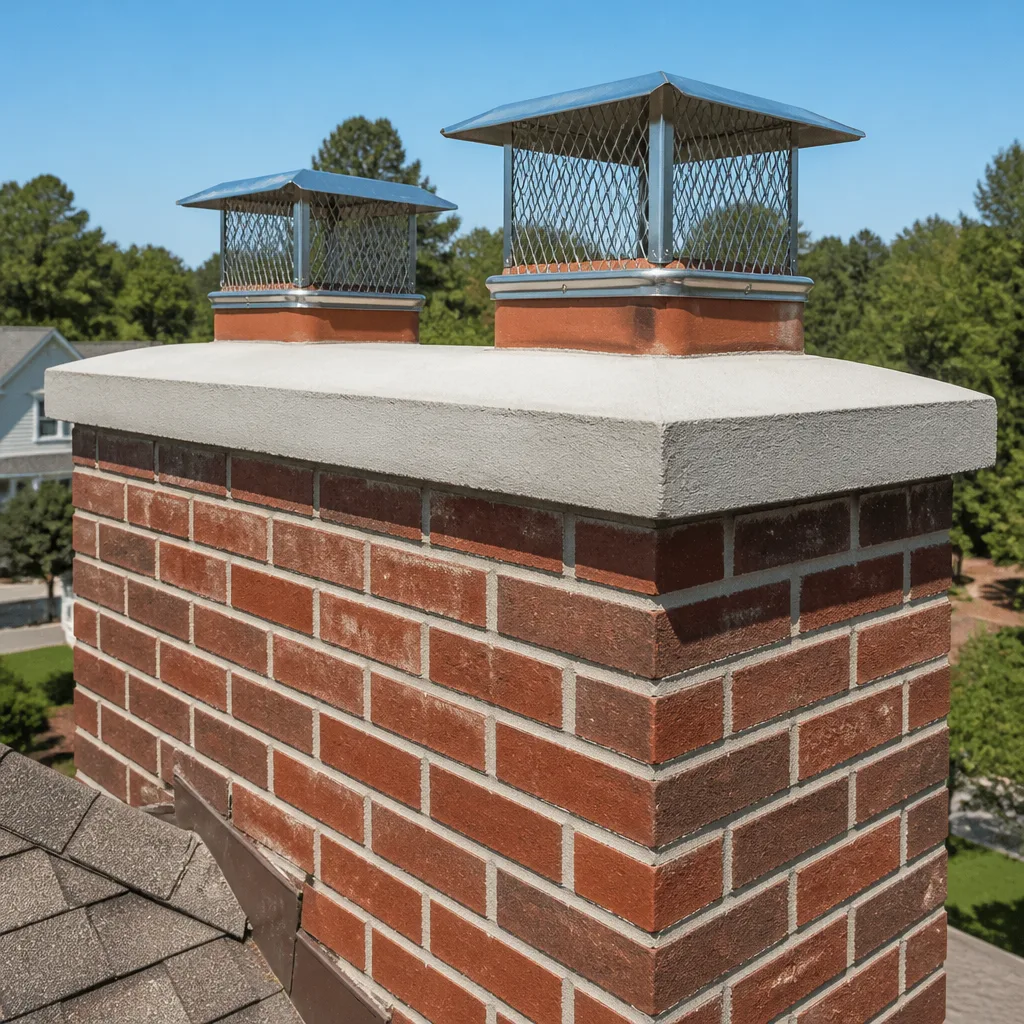 Caps & crowns
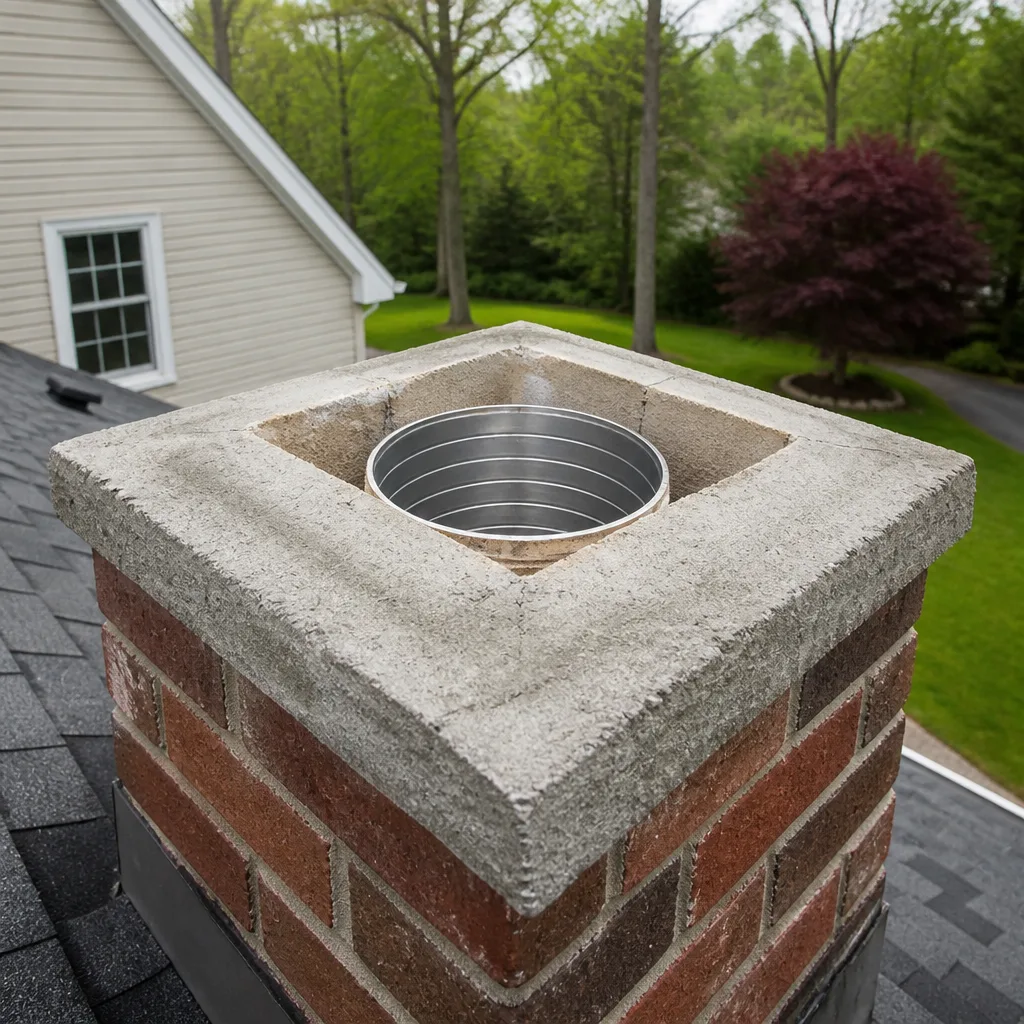 Flue relining
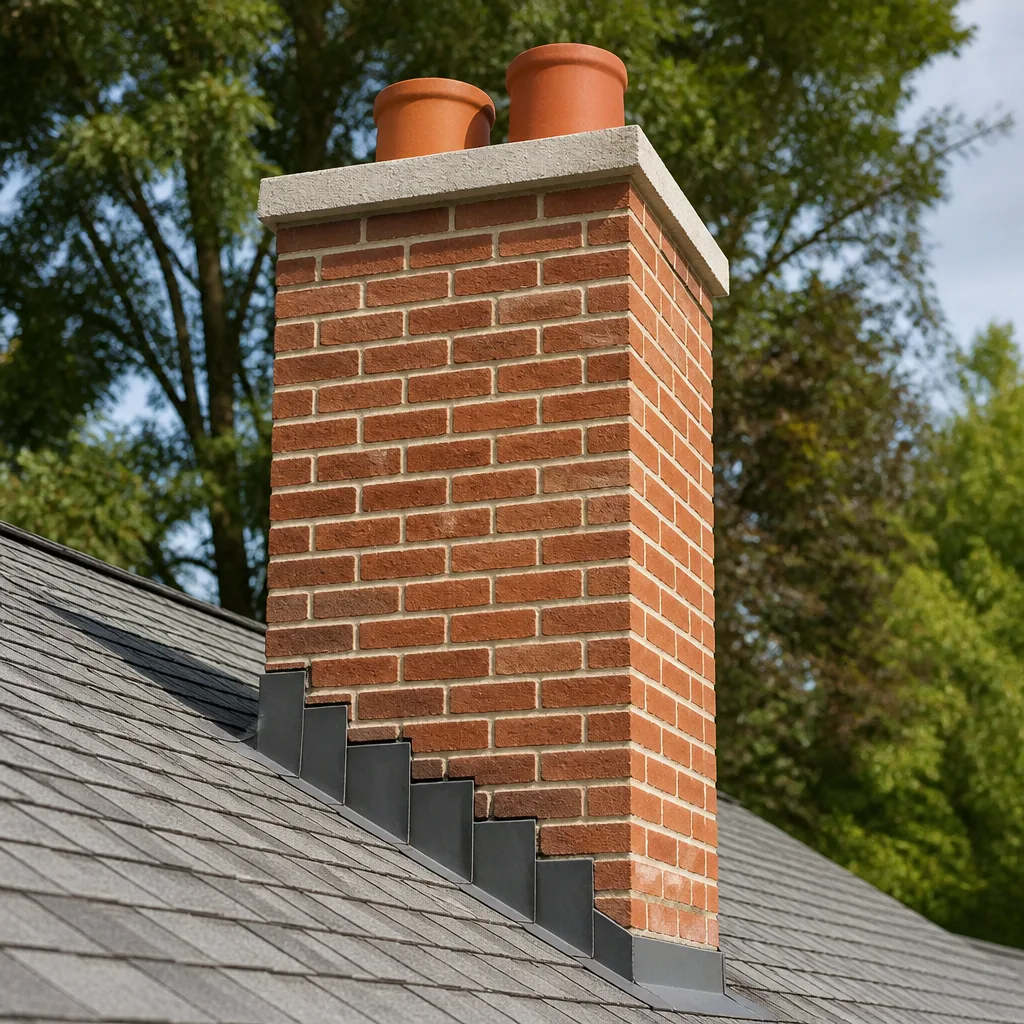 Masonry repair
Level 1 sweep and inspection to the NFPA 211 annual standard - flue, crown, cap, and flashing checked and photographed
Chimney sweep logs do not sweep chimneys. They loosen some creosote - which then falls where a brush and vacuum still have to collect it.
Why Westchase Homeowners Choose HeatShield Chimney Cleaning
We provide independent HeatShield chimney cleaning and service in Westchase, TX. That means we assess your restored liner on its actual condition, not on what a sales sheet wants us to sell. HeatShield is a flue resurfacing product, and a liner that’s still structurally sound usually needs cleaning and a throat touch-up, not a full redo.
Westchase’s Mediterranean-revival homes sit around wood-burning fireplaces that Houston’s humid air keeps damp for most of the year. The burn season here runs roughly November through February, which means your HeatShield surface spends months sitting in moisture before anyone lights a fire. We inspect what we sweep, so a cleaning visit also tells you whether the ceramic coating is holding or starting to give.
To be clear: Chimney Sweep Westchase is an independent service provider. We are not affiliated with, authorized by, or certified by HeatShield. We’re a chimney-only specialist working from the firebox to the chimney cap, and our technicians have up to 9 years of experience. Call (844) 443-3785.
Why Trust Chimney Sweep Westchase for Your HeatShield Chimney Cleaning?
We’re a dedicated chimney specialist, not a handyman who checks a flue between other jobs. That matters with HeatShield work, because the product is a resurfaced barrier and everything you can see from the firebox is only part of the picture. Our technicians have up to 9 years of experience reading restored flues, and we know what normal wear looks like versus a barrier that’s failing.
We use quality parts that fit HeatShield equipment. When a restoration needs a refractory touch-up, we match the material to the application rather than patching with whatever’s on hand. We don’t stock genuine or OEM HeatShield parts and we’re not a HeatShield dealer, but we know what fits and what doesn’t.
Warranty-safe service is part of the job. Cleaning a restored liner the wrong way, or aggressively chipping at a coating to “see what’s under it,” can damage a surface that was fine before anyone touched it. We work the flue gently and document what we find with photos so you can see the condition for yourself. You get a flat-price sweep agreed before booking, a camera inspection, and a photo report included.
Styles & brands we work with
- Sweep & inspection
- Caps & crowns
- Flue relining
- Masonry repair
- Gas fireplace service
Common HeatShield Chimney Cleaning Problems We Fix in Westchase
HeatShield restorations fail in predictable places, and local humidity pushes two of them harder than dry climates do: the crown above the liner and the transition where the liner meets the damper frame. Here’s what we actually find.
- Cracking or spalling at the flue throat. The throat takes the most heat cycling in the whole flue, and the ceramic coating there is where you’ll see the first fine cracks. Left alone, they expose the original clay tile beneath, and that tile was never meant to be the working surface again.
- Debonding at the liner-to-damper frame transition. This joint moves differently from the rest of the liner, and in a damp climate it’s where creosote and moisture migrates behind the restored surface. Once water gets behind the barrier, the coating lifts from the inside out.
- Crown joint failure above the liner. A cracked crown joint lets water track straight down the flue. Westchase’s stucco-clad chimney stacks hide that kind of damage well, so a crack you can’t see from the ground is often the real source of a damp flue.
- Soot and creosote masking early-stage wear. A dirty flue and a failing liner can look the same from the firebox. Homeowners mistake one for the other in both directions, which is why we clean before we judge condition.
- Rust and stuck dampers after the off-season. Months of humid disuse seize damper hardware and leave rust on the frame. A damper that won’t open fully changes how the flue draws and how creosote deposits build up.
One pattern we see often: a homeowner notices soot streaks above the firebox or a musty smell after summer. A Level 2 inspection of the HeatShield restoration then reveals micro-cracking along the flue throat, or a failed crown joint letting water in. The usual fix is a crown recoat with a flexible sealant, and if the liner surface is intact but dirty, a robotic sweep followed by a refractory touch-up at the throat. When the liner itself has debonded, we say so plainly: spot repair won’t hold, and a full HeatShield re-lining is the honest next step.
HeatShield Parts & Our Repair-vs-Replace Approach
OEM HeatShield ceramic materials are what we prefer when repairing a restoration, because matching the original application is how you keep the barrier consistent across the whole flue. For peripheral work, quality aftermarket refractory mortar and crown coatings are the right call. They do the job at the crown and the frame without pretending to be the liner itself.
The repair-or-replace decision comes down to structure. If the HeatShield liner is sound and the wear is at the throat or the crown, we repair. Replacement only enters the conversation when debonding or cracking has compromised the barrier across a section that carries heat and flue gas. We don’t recommend a re-line because a flue looks old. We recommend it because the surface has failed.
Nothing gets recommended without camera evidence you can watch on the screen yourself, and we’ll tell you plainly when work can safely wait until after the burn season. Call (844) 443-3785 for a free estimate.
Our HeatShield Service Process – Step by Step
- 1
Diagnosis. A HeatShield-focused Level 2 inspection of the restored liner, from the firebox through the flue and up to the crown. Camera footage of the throat, the liner-to-damper transition, and the crown joint, with photos you keep.
- 2
Creosote removal. We sweep before we judge. Soot and glaze come off first so we can see the actual coating underneath instead of guessing at it.
- 3
Repair or install. Refractory touch-ups at the throat, crown recoat with a flexible sealant, or a full HeatShield re-lining when the barrier has debonded. OEM ceramic materials where they match, quality aftermarket mortar and crown coatings for peripheral repairs.
- 4
Test. We check draw and confirm the restoration is sealed, then verify the crown sheds water the way it should.
- 5
Warranty-safe handoff. A written record of what was found and what was done, so any future service or warranty conversation starts from evidence rather than memory.
See the difference
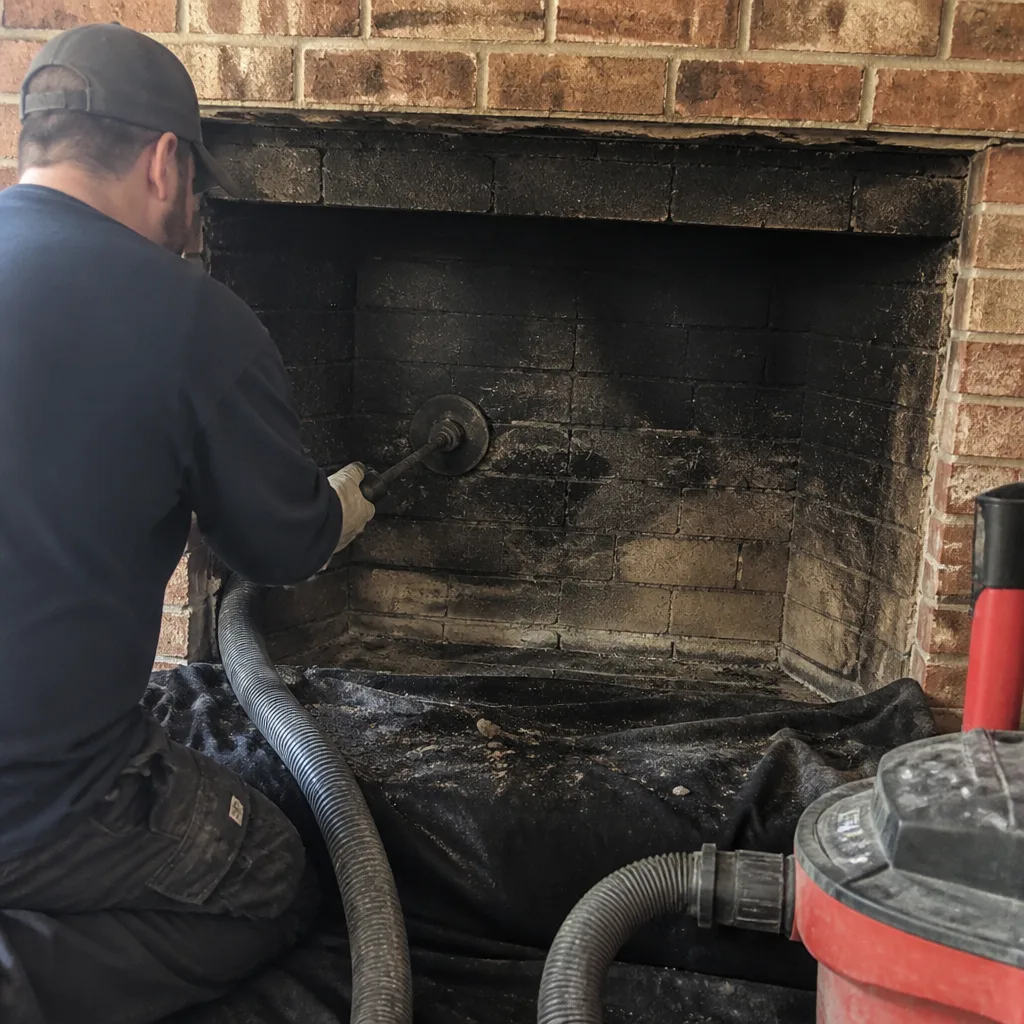 Before
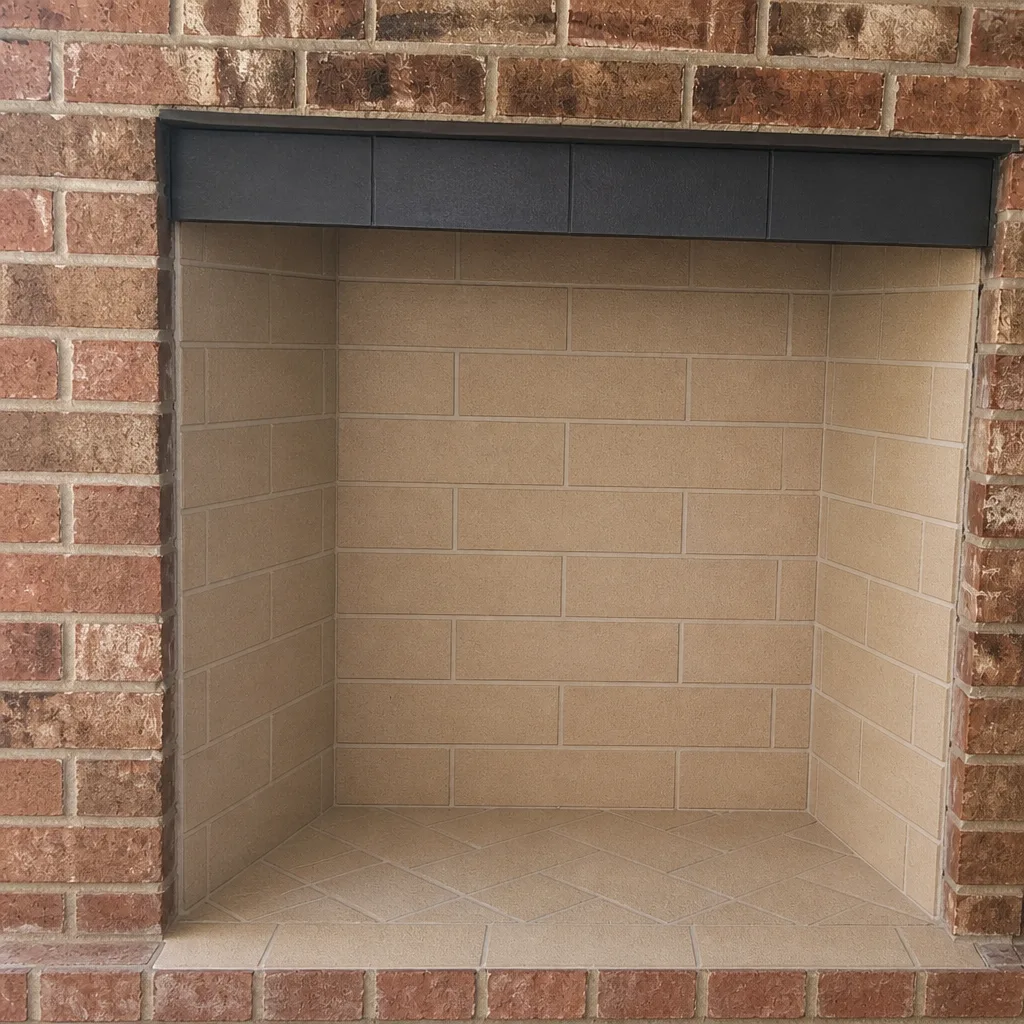 After
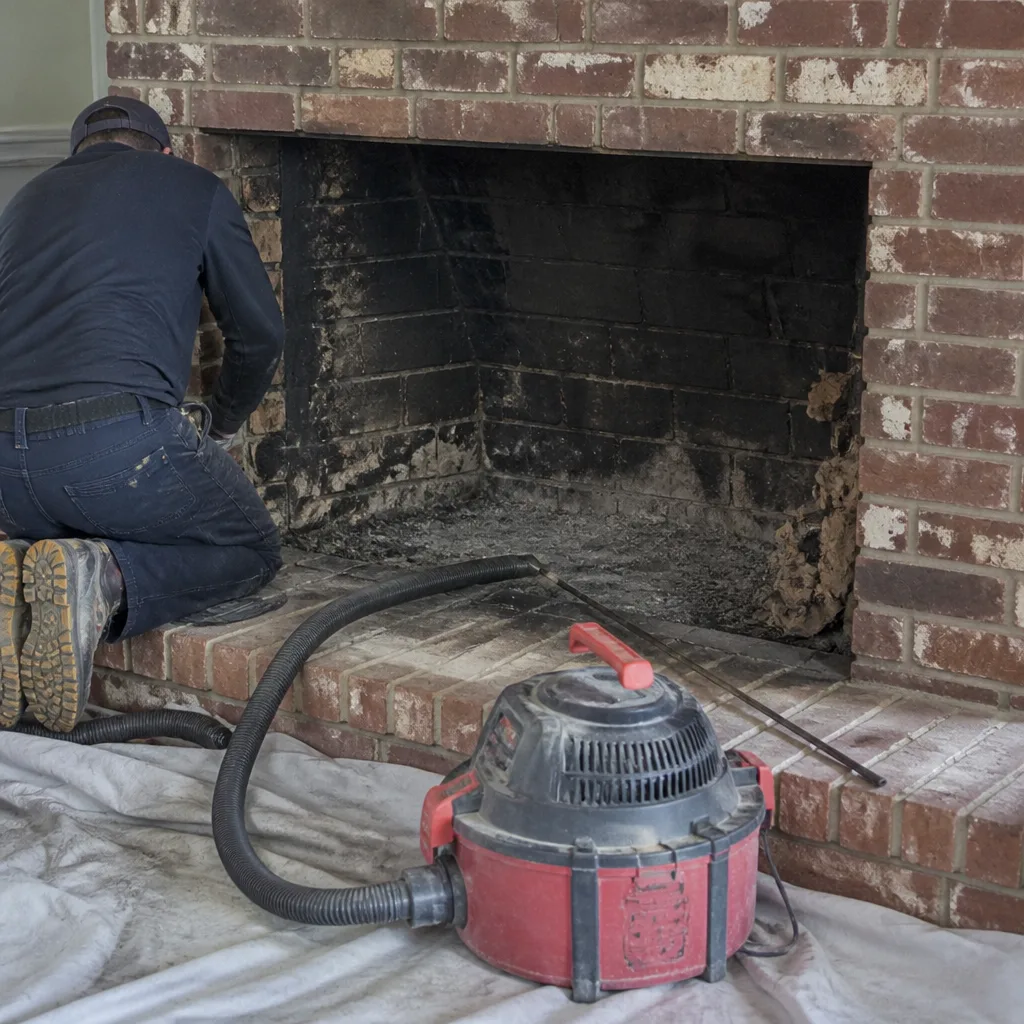 Before
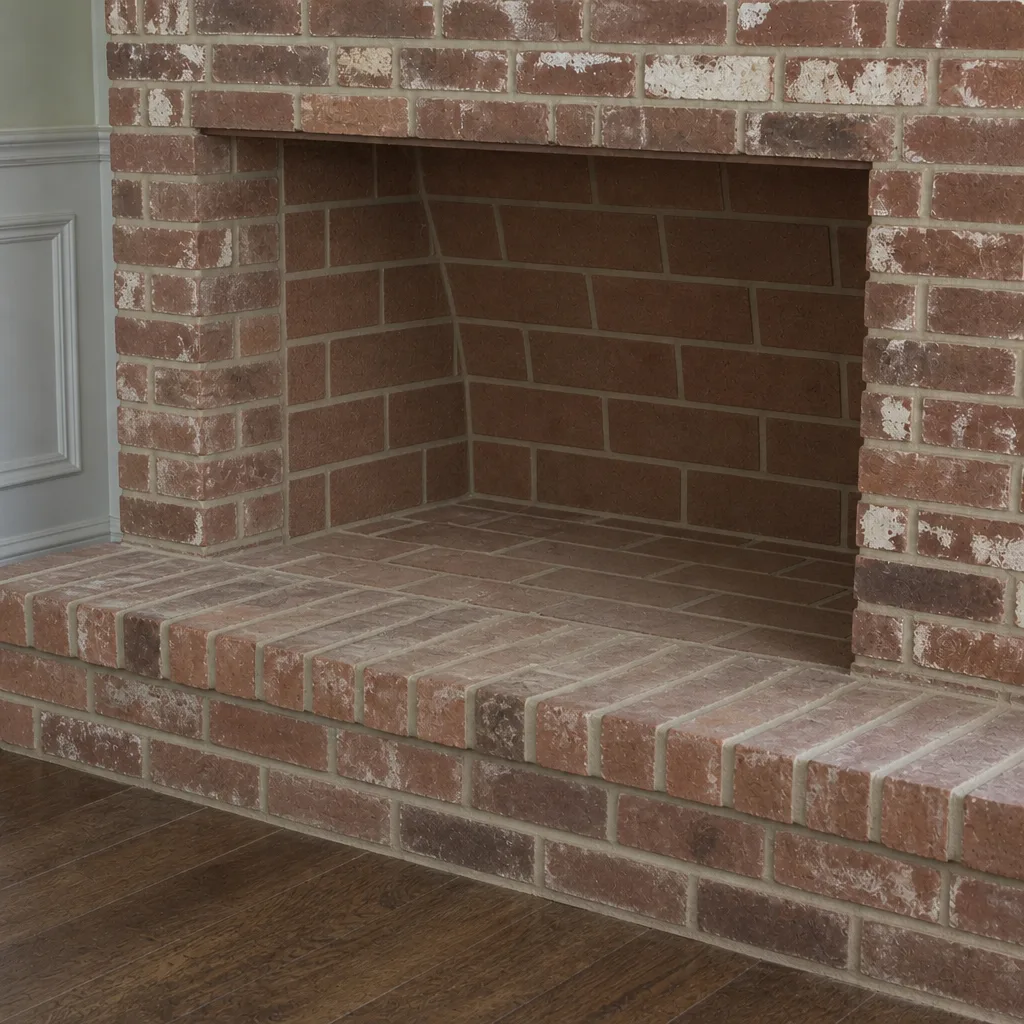 After
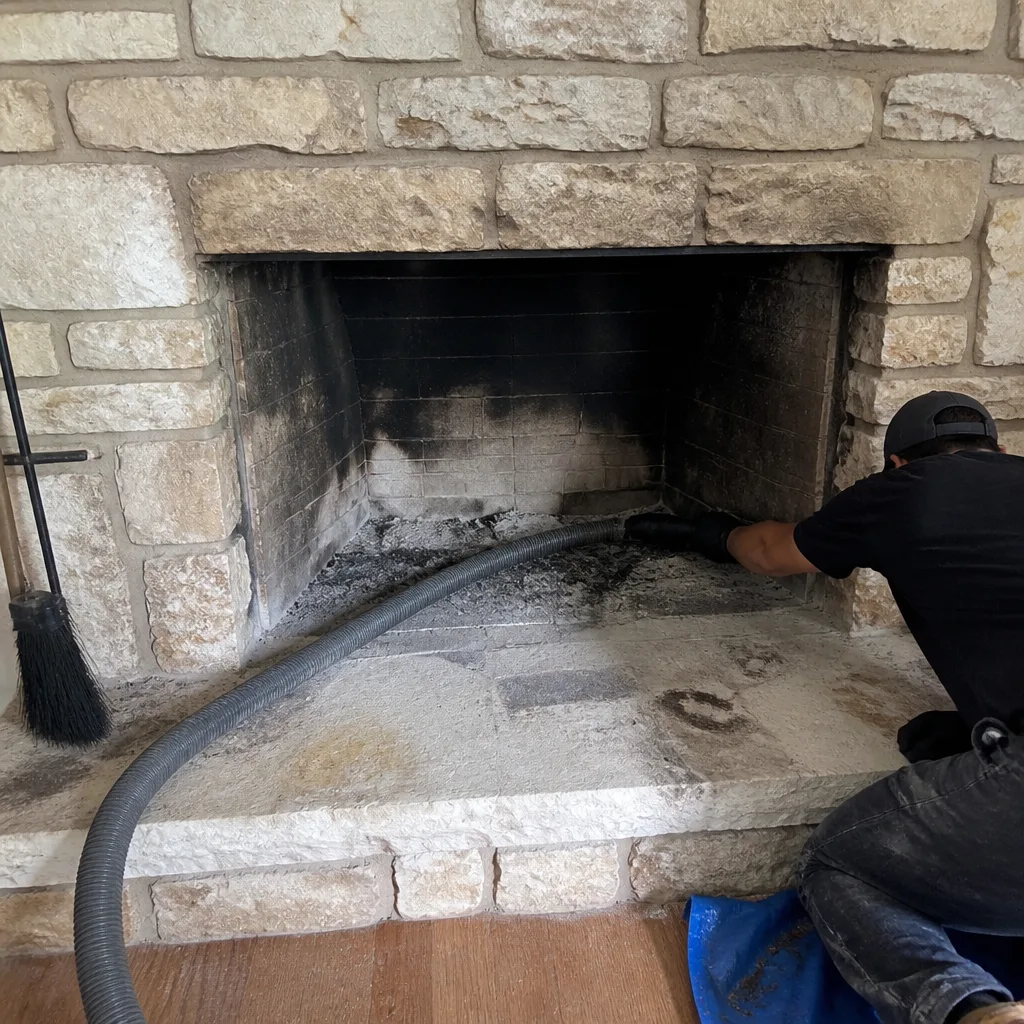 Before
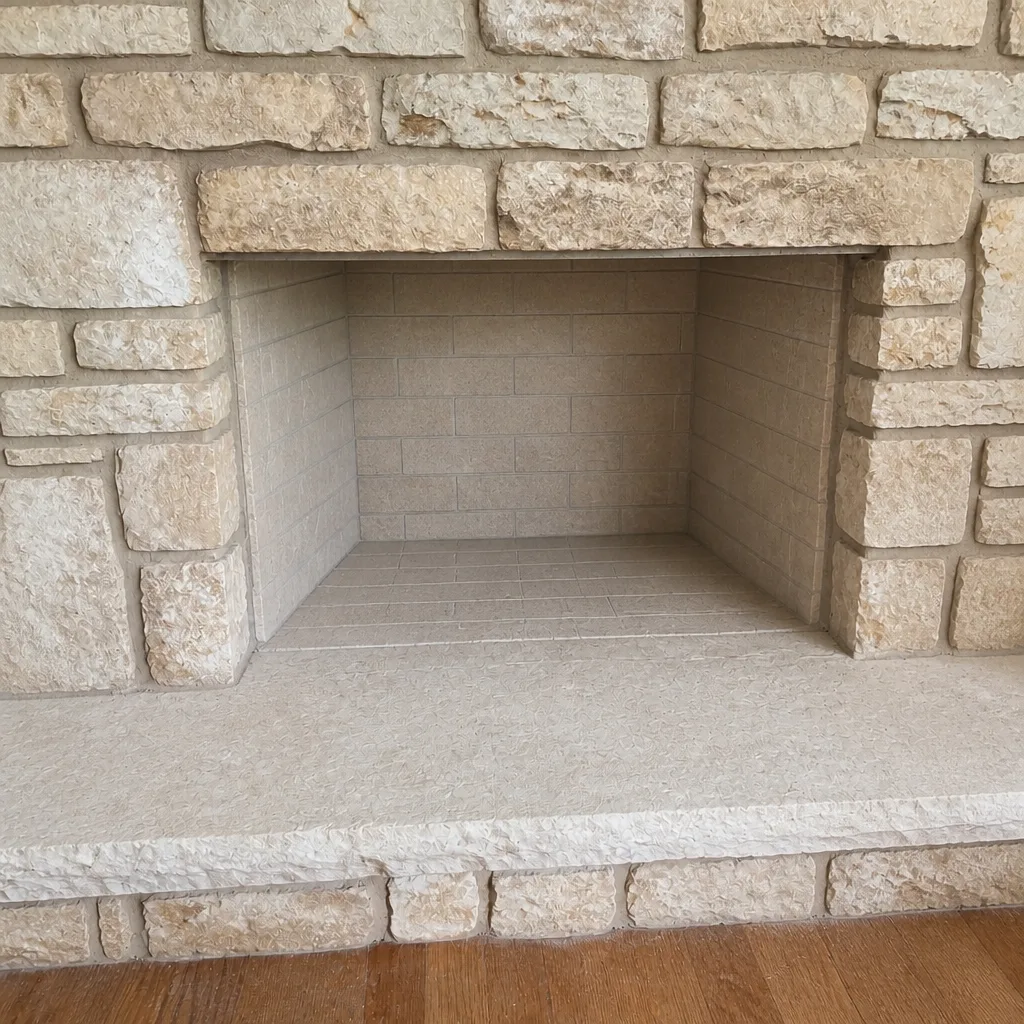 After
HeatShield Products We Service & Install in Westchase
We service and install the HeatShield product types that show up in Westchase homes, including the Model 2000 for pre-fabricated fireplace liner restoration and the Model 2000HT for high-temperature applications. We also work with the FireGuard insert liner system and the ceramic flue liner system used in masonry fireplaces.
Which one your chimney needs depends on the appliance and the flue it vents. A factory-built fireplace and a masonry fireplace call for different approaches, and choosing wrong wastes money on a barrier that won’t last. We confirm the right application during inspection before anyone commits to a scope.
We Also Service These Brands
We’re not tied to one product line. Alongside HeatShield work, we install and service DuraFlex flexible liner systems, which handle the non-standard flue configurations that rigid liner installers walk away from, and we use Gelco caps and covers for durable weather protection at the top of the stack. One call covers the entire chimney, from the firebox and damper up through the flue, liner, crown, and cap.
FAQs – HeatShield Chimney Cleaning Service in Westchase
No. We are an independent service provider, not affiliated with, authorized by, or certified by HeatShield. We service, repair and install HeatShield products using quality parts that fit them, and we give you an honest read on condition without a manufacturer or dealer relationship steering the recommendation.
Yes. We use OEM HeatShield ceramic materials when repairing a restoration to match the original application, and quality aftermarket refractory mortar and crown coatings for peripheral repairs at the crown and frame. We don’t stock genuine HeatShield parts and we’re not a dealer, but we match materials to the job. Call (844) 443-3785 for an exact quote; estimates are free.
Most HeatShield cleaning visits finish in a couple of hours, and repairs like a throat touch-up or crown recoat usually run longer because the material needs time to cure. The scope sets the timeline, and we tell you what to expect before booking rather than after the work starts. Call (844) 443-3785 to schedule.
We cover the Model 2000 and Model 2000HT, the FireGuard insert liner system, and the ceramic flue liner system for masonry fireplaces. That covers both factory-built and masonry applications. If you’re not sure which one is in your chimney, the inspection confirms it.
Proper cleaning and repair shouldn’t void a warranty, and sloppy work is what causes problems: chipping at a sound coating, or sweeping with tools that scar the surface. We work the flue gently and document conditions with photos so there’s a record either way. Ask about your specific warranty terms before work begins and we’ll work within them.
Cleaning a HeatShield-restored flue is priced per job by a written estimate after we see the chimney, and the flat-price sweep is agreed before booking, so there’s no surprise on the day. Repairs like a throat touch-up or crown recoat are quoted separately because the scope varies. Call (844) 443-3785 for an exact quote; estimates are free.
You know by looking at the coating after the soot is off, not before. If the barrier is intact and the wear is at the throat or crown, cleaning and a touch-up is the answer. If the coating has debonded across a heat-carrying section, a spot repair won’t hold. Call (844) 443-3785 and we’ll show you what the camera sees.
Yes, mainly at two joints. Months of damp off-season air work on the crown joint and the liner-to-damper transition, which is where we find most failures here. The short November-to-February burn season means the flue sits wet far longer than it sits hot. Call (844) 443-3785 to get it checked before the season starts.
Spot repair at the throat is legitimate when the rest of the barrier is structurally sound and the cracking is confined to the high-heat zone. It stops being legitimate once debonding runs behind the coating. We draw that line with camera evidence, not opinion. Call (844) 443-3785 for the inspection.
Ask whether they sweep before they judge condition, whether they can show you camera footage of the throat and the crown joint, and whether they’ll tell you when work can wait. Those three answers separate a specialist from a generalist. We answer all three the same way on every visit.
Fast soot return usually means poor draw, a damper that isn’t opening fully, or a crown joint letting moisture in, not a bad cleaning. Rusted damper hardware after a humid summer is a common cause in Westchase. It’s worth a look before the next burn season. Call (844) 443-3785.
Book Your HeatShield Service in Westchase, TX
Whether your HeatShield liner needs a sweep, a throat touch-up, or an honest assessment of whether it’s reached the end of its life, we’ll show you the evidence and tell you when work can safely wait. Call (844) 443-3785 for a free estimate. We answer 24/7. Fast dispatch from 7am to 7pm, Sunday through Friday.
Written by the team at Chimney Sweep Westchase.