
Last updated November 24, 2026
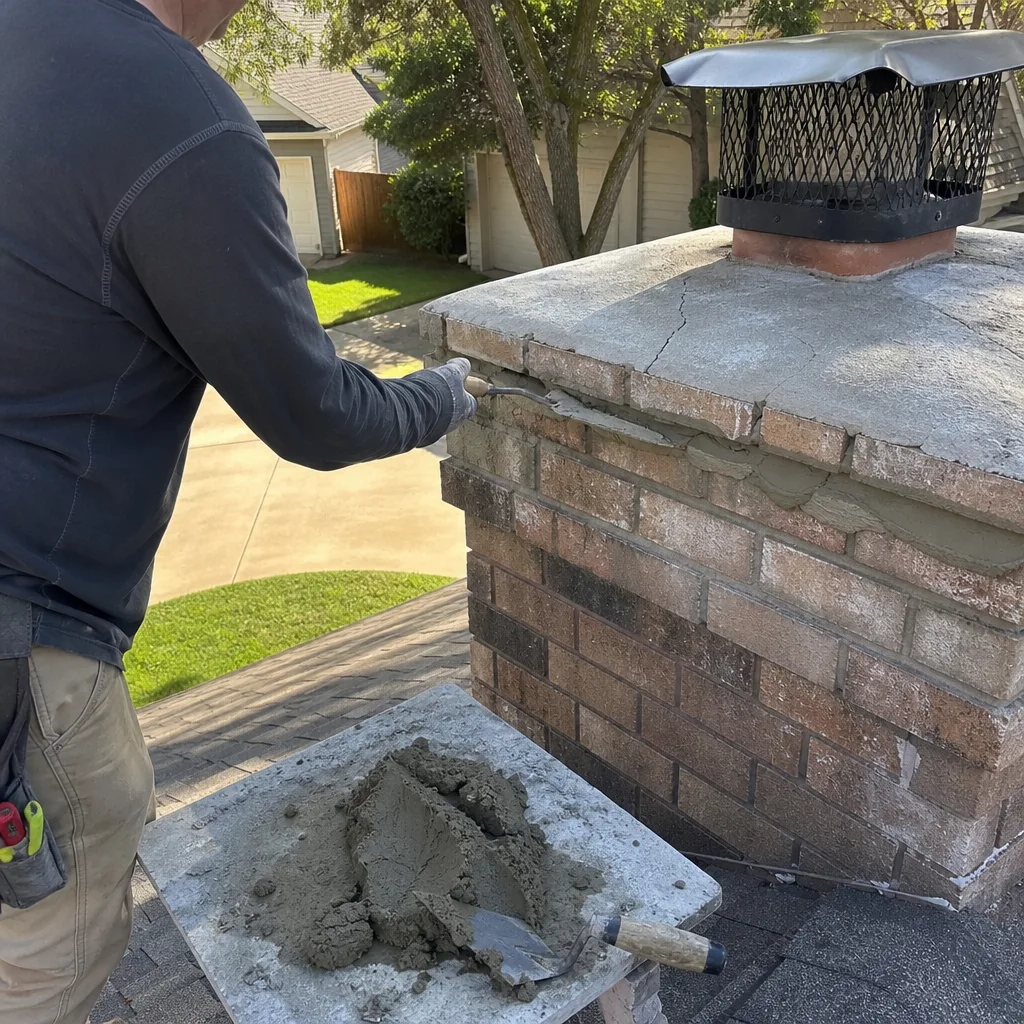
 Sweep & inspection
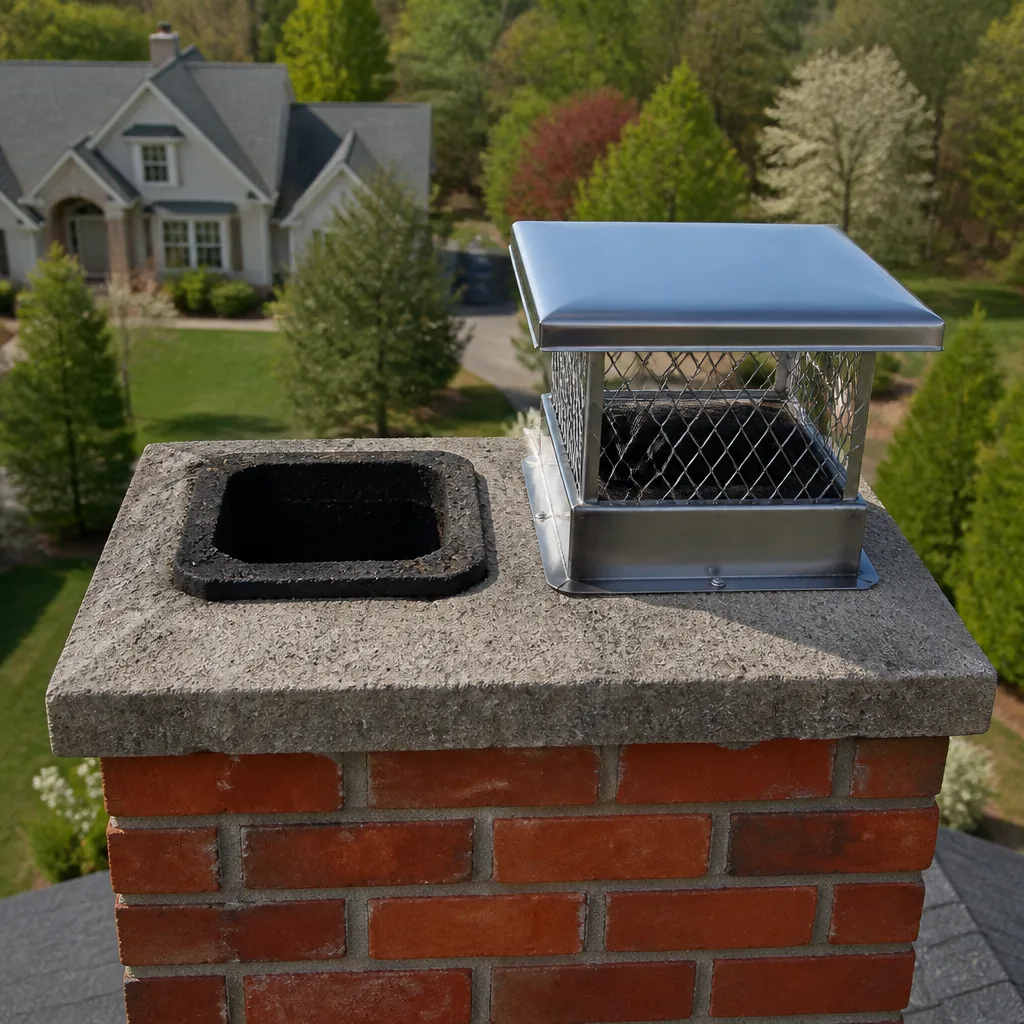
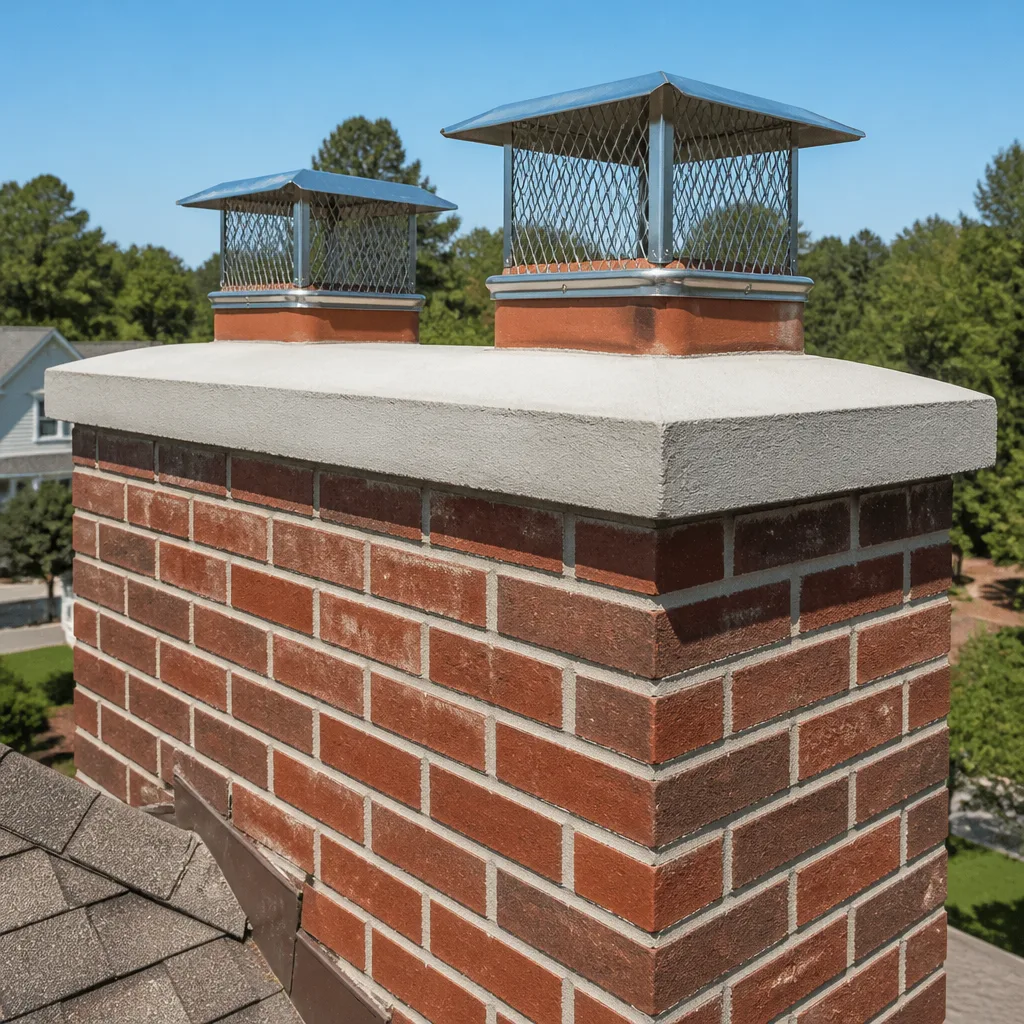 Caps & crowns
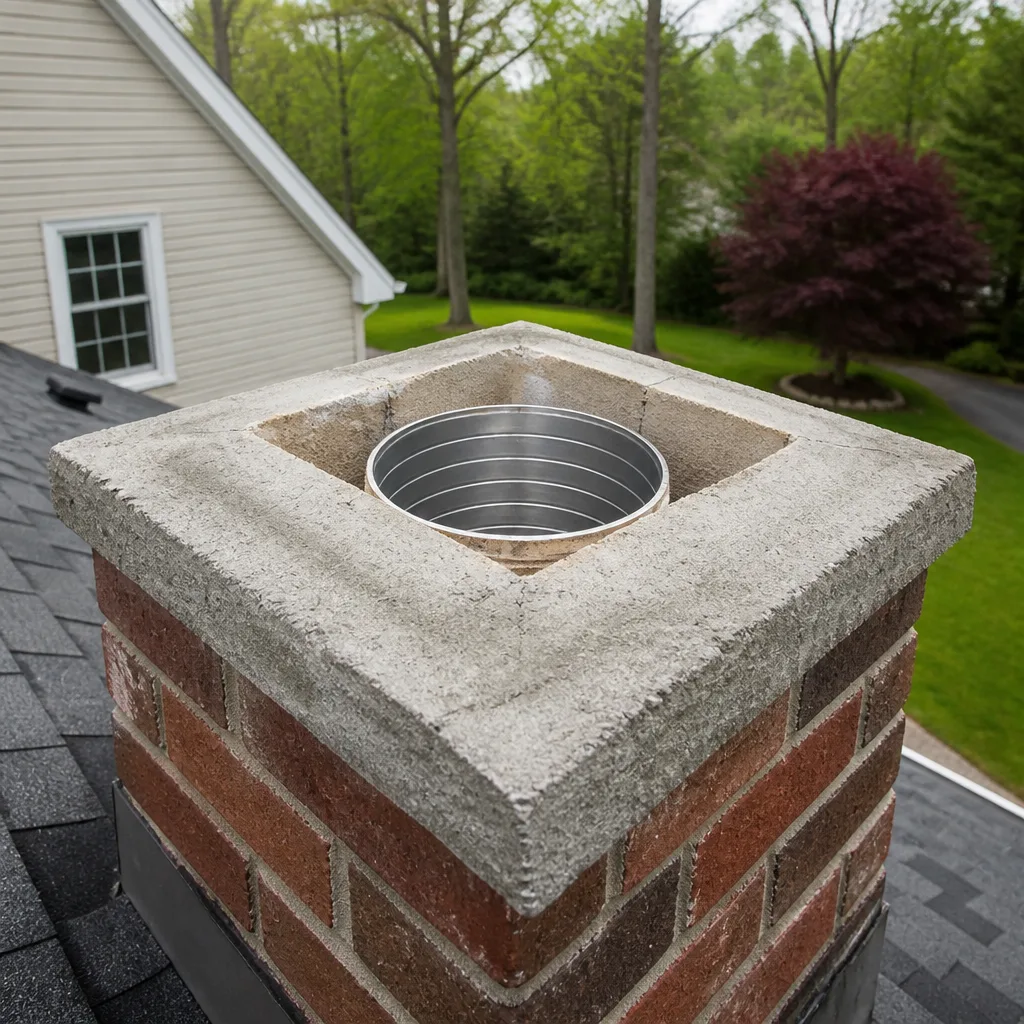 Flue relining
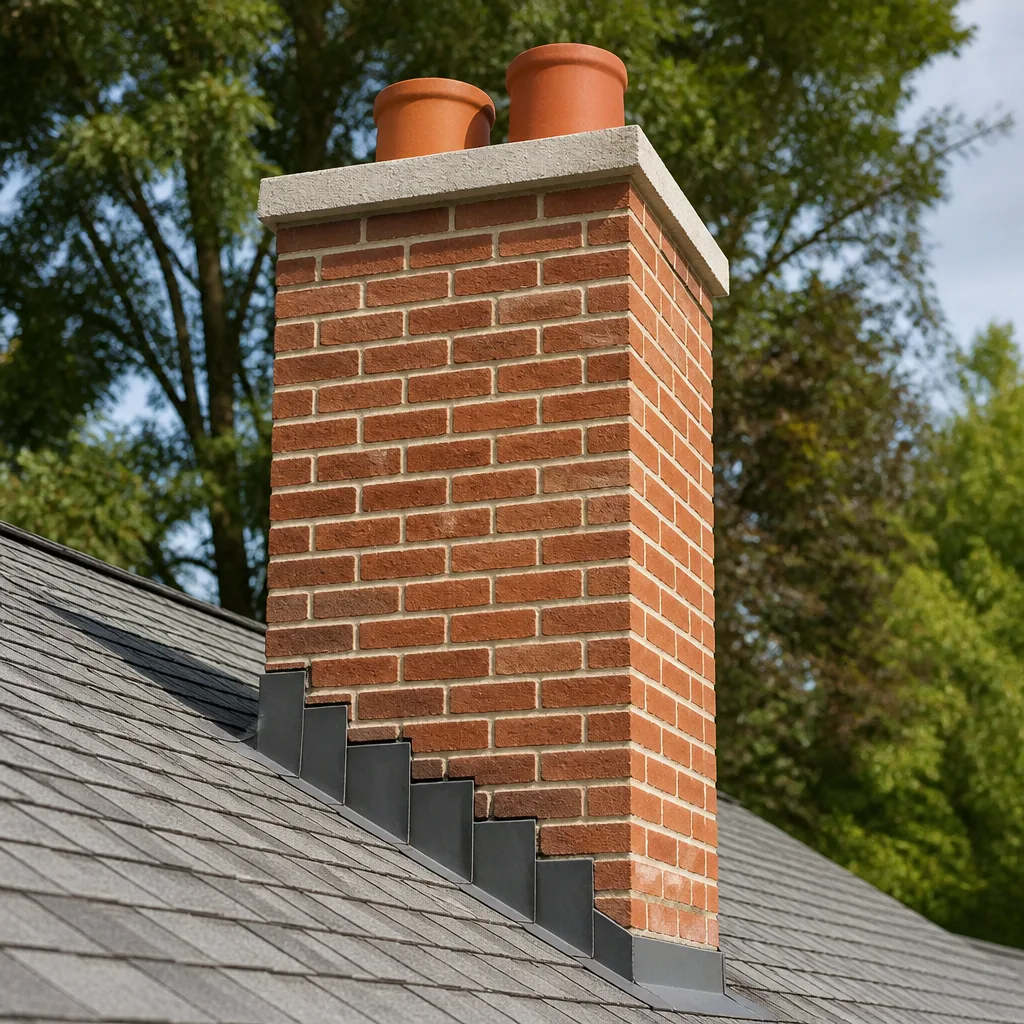 Masonry repair
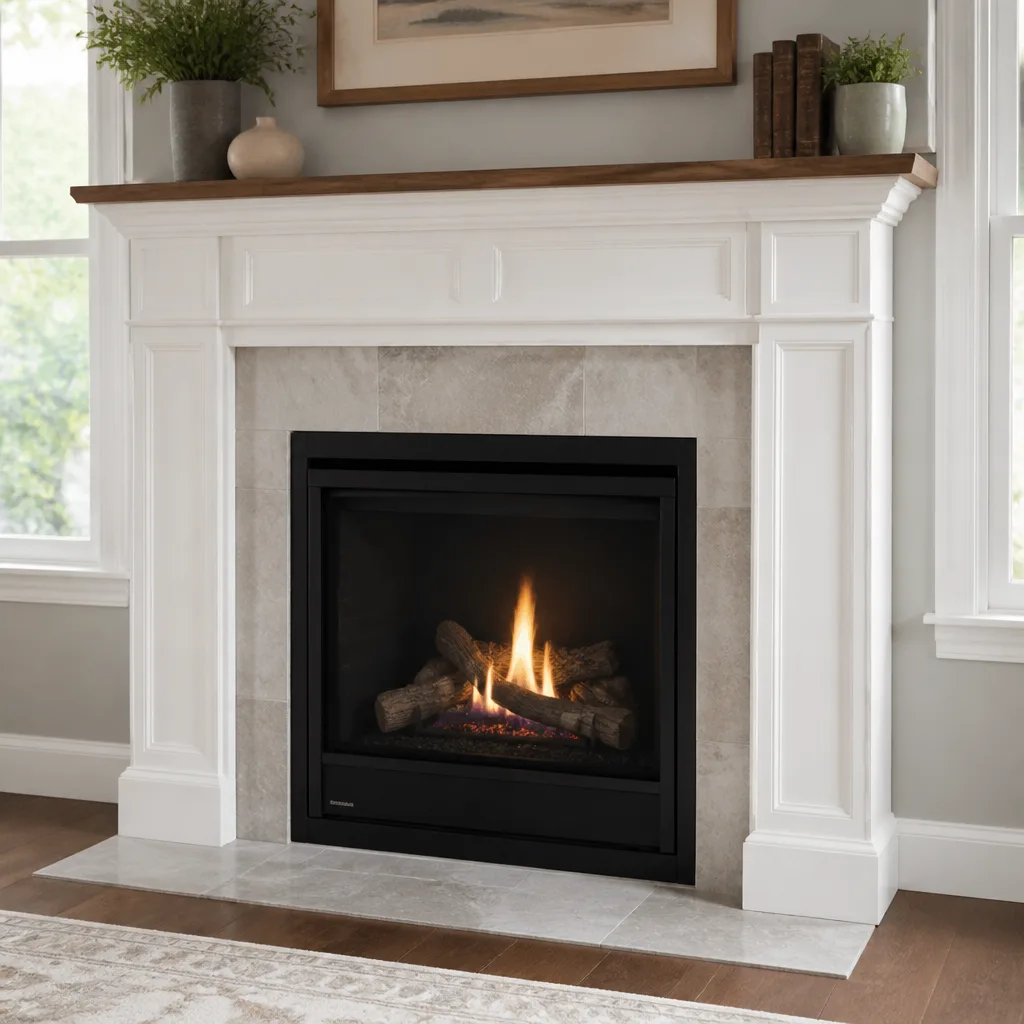 Gas fireplace service
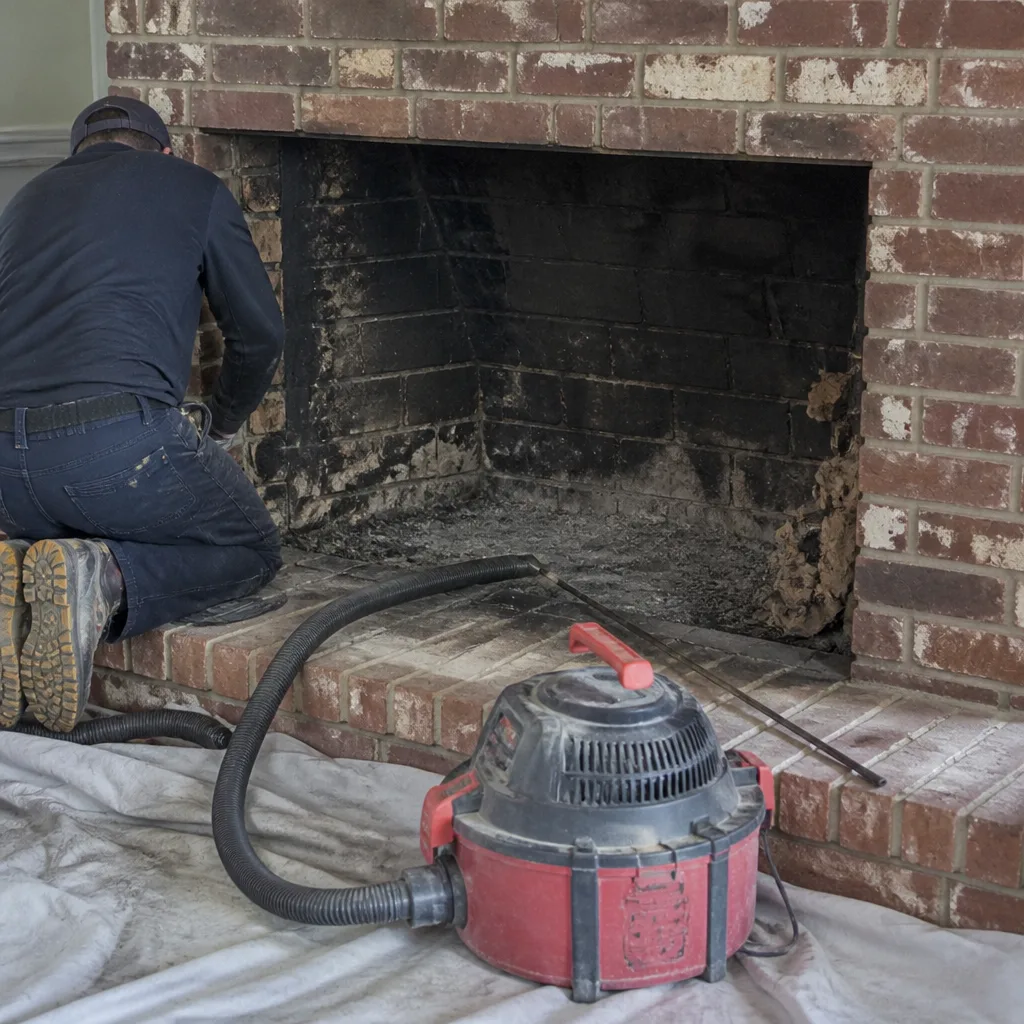
Level 1 sweep and inspection to the NFPA 211 annual standard - flue, crown, cap, and flashing checked and photographed
Chimney sweep logs do not sweep chimneys. They loosen some creosote - which then falls where a brush and vacuum still have to collect it.
Chimney Cleaning Warning Signs: A Westchase Homeowner’s Reference Guide
Most of what a failing chimney tells you is not subtle. It’s a white bloom on the brick, a smell that shouldn’t be there in July, a fire that fights you every time you light it. The problem isn’t that the signs are hidden. It’s that nobody ever translated them. This guide does that job: it takes the visual, smell, performance and sound signals a chimney sends and tells you plainly what each one points to and how urgently you should act. You’ll learn which signs mean stop using the fireplace tonight, which mean schedule a visit soon, and which can wait for your annual service. This applies directly to the homes in Westchase, where mild winters and steady fireplace use both shape what we find.
Quick Answer
The main chimney cleaning warning signs are efflorescence (a white stain on exterior brick that means water is moving through the masonry), spalling brick, dark staining above the firebox, a cracked crown, persistent smoke or musty odors between fires, slow-lighting or smoky fires, a damper that won’t seal, and popping or cracking sounds during a burn. Any sign involving smoke entering the room, a strong creosote smell, or a change in how the fire behaves is a reason to stop using the fireplace and book an inspection. The rest are reasons to schedule a sweep and assessment before the next burn season.
Styles & brands we work with
- Sweep & inspection
- Caps & crowns
- Flue relining
- Masonry repair
- Gas fireplace service
Table of Contents
- Visual Signals and What They Diagnose
- Smell-Based Warnings
- Performance Warnings: Draft, Smoke and the Damper
- Sound-Based Signals
- The Tiered Action Guide: Stop, Schedule, or Monitor
- Creosote: The Reason Warning Signs Matter
- How a Westchase Burn Season Shapes the Checklist
- Common Mistakes to Avoid
- When to Call a Professional
Visual Signals and What They Diagnose
A chimney doesn’t fail all at once. It gives you a paper trail on the outside of the structure and above the firebox, and most of it is readable from the ground. Here is what each visual sign actually means.
Efflorescence
That chalky white stain on exterior brick isn’t paint, salt from the air, or a cosmetic flaw. It’s efflorescence, and it’s the mineral residue left behind when water moves through masonry and evaporates at the surface. When you see it on a chimney, water has already crossed into the brickwork and is traveling through the structure. The source is usually above: a failed crown, a missing or rusted cap, deteriorated flashing where the chimney meets the roof, or open mortar joints. Efflorescence is the chimney’s way of showing you the leak without you having to climb up and find it.
Spalling Brick
Spalling is brick that has begun to flake, peel or break off in layers. It’s what happens when moisture inside the brick expands and pushes the face off. Spalling brick is a structural warning, not a cosmetic one. Left alone, it moves from the surface inward, and mortar joints crumble next. Once the masonry is losing material, the chimney can no longer be counted on to hold its shape under heat.
Dark Staining Above the Firebox
Smoke staining on the brick or the wall above and around the firebox points to back-puffing: smoke that should be going up the flue is rolling back into the room. That can come from a flue that’s too small for the firebox opening, a blocked or partially blocked flue, a closed or failing damper, or a draft problem tied to the house itself. It’s a draft diagnosis, not a cleaning issue alone.
Crown Cracking
The crown is the concrete cap at the top of the chimney that sheds water away from the masonry. When it cracks, water runs straight into the flue and the brick below. A cracked crown is one of the most common root causes of everything else on this list, and it’s one of the cheapest things to address before it turns into a masonry repair.
Rust, Stain and Missing Parts at the Top
A rusted or missing cap, a damaged spark arrestor, or staining on the crown all tell the same story: the top of the chimney is taking on water. A proper chimney cap & crown job stops that cycle at the source.
Smell-Based Warnings
Your nose is a diagnostic tool, and it usually catches problems before your eyes do. Two distinct odors matter, and they mean very different things.
Persistent Smoke Odor Between Fires
A woodsmoke smell that lingers in the room when there’s no fire burning is a draft failure or a creosote buildup signal. Creosote is the tar-like residue that condenses inside the flue as smoke cools on its way up. When it builds up, it restricts the flue and holds odor, and the fireplace begins to smell like a campfire even when it’s cold. A draft failure does the same thing: the chimney isn’t pulling air the way it should, so smoke settles back into the room instead of leaving through the top. This is the smell that most often gets a homeowner to pick up the phone, and it should.
Musty Odor
A musty, damp or earthy smell is different and points to active moisture intrusion. Water has gotten into the flue or the masonry, and it’s sitting there. This is the smell that pairs with efflorescence on the exterior and with a cracked crown or failed cap up top. Musty odor in a chimney often means the problem has been building for a while, not just since the last rain.
What the Smell Doesn’t Tell You
Here’s the part homeowners miss: a chimney can have a serious creosote load and no smell at all, and it can smell fine while the crown is quietly failing. Smell is a strong early warning, not a complete picture. That’s why we inspect what we sweep. A cleaning without an assessment only tells you the flue was dirty, not why it was dirty or what else is going on.
- Smoke odor between fires: draft failure or creosote buildup
- Musty or damp odor: active moisture intrusion
- No odor at all: no reassurance: creosote and crown problems can be silent
- Strong acrid odor right after lighting: poor draft, back-puffing, or a blocked flue
Performance Warnings: Draft, Smoke and the Damper
How the fireplace behaves is a live readout of the chimney’s condition. These performance signs tend to show up in sequence, and each one tells you where the problem lives.
- Fires that are slow to light. A fire that takes multiple tries and struggles to catch is fighting a weak draft. The flue isn’t pulling air up the way it should, which can come from a blockage, a flue that’s the wrong size, or a cold flue that isn’t warming enough to establish a draft.
- Smoke that enters the room. Smoke rolling out of the firebox and into the living space is the single most serious performance sign on this page. It means the smoke that should be leaving through the flue is staying in your house. Stop using the fireplace and book an inspection before the next fire.
- A damper that won’t seal. The damper is the door at the top of the firebox. When it won’t close all the way, you lose control of the draft and heat escapes up the flue when the fireplace is cold. The damper sits at the base of the flue liner, so a damper that won’t seat is often the first hint of a liner or firebox problem.
- Back-puffing. That puff of smoke or smell into the room when the fire changes, or when the wood shifts, is a sign the flue is marginal: it can handle a steady fire but not a surge of smoke.
- Weak heat output. A fire that burns but doesn’t heat the room the way it used to can point to draft problems or a damaged liner letting heat escape where it shouldn’t.
A fireplace with any of these symptoms isn’t just underperforming. It’s telling you that the system needs to be looked at as a whole, from the firebox and damper up through the flue and liner. When the issue turns out to be at the firebox itself, that’s work for a specialist who handles fireplace repair, not a seasonal cleaning alone.
Sound-Based Signals
Chimneys make noise, and most of it is the normal sound of fire doing what fire does. But some sounds aren’t normal, and a homeowner who knows the difference has a real advantage.
Popping and Crackling During a Fire
Wood pops. That’s the sound of moisture in the wood, and it’s expected. What isn’t expected is a cracking sound that seems to come from the chimney structure rather than the wood, especially a sharp crack under heat. A crack heard during a burn can indicate a liner fracture or a mortar joint failing under thermal stress. Because the flue liner is what keeps the fire away from the wood framing of your house, a liner that’s cracking is the definition of a high-priority concern.
Creaking or Ticking As Things Heat
Metal and masonry expand and contract with heat, and some ticking during warm-up is normal. Persistent ticking and popping when the fireplace is at temperature can suggest the liner or components are moving more than they should. A HeatShield or Olympia Chimney component that isn’t seated properly, or a liner that’s begun to break down, can show up this way.
Rumbling or Roaring That’s Louder Than It Used to Be
A fire that roars louder than it used to may be pulling air through gaps it shouldn’t have access to. That’s a draft and liner condition signal, not a sign you’re getting more efficient.
What to Do About a Sound
If you hear a crack, a boom, or a repeated popping that seems to come from the structure, stop using the fireplace and book an inspection. Don’t assume it’s the wood. Metal flue liners, including DuraFlex flexible systems, are designed to contain the heat of the fire. When they’re compromised, the sound you hear can be the flue telling you something has moved. A trained specialist can determine which it is, and it’s worth the call.
The Tiered Action Guide: Stop, Schedule, or Monitor
Not every warning sign means the same thing. This is the tiered system we use when we’re walking a homeowner through their chimney’s condition. Put each symptom into the right tier before you light the next fire.
Tier 1: Stop Using the Fireplace Immediately
- Smoke entering the room during a burn
- Strong smoke odor that fills the room regardless of the draft
- Popping or cracking sounds that seem to come from the chimney structure
- Visible cracking in the firebox, damper or flue area
- Any suspicion of a liner crack or failure
Tier 1 signs are safety flags, not cleaning flags. Book an inspection before you burn again.
Tier 2: Schedule an Assessment Soon
- Efflorescence on the exterior brick
- Spalling brick at the crown or the chimney face
- A cracked crown or a cap that’s failed, rusted or missing
- Musty odor between fires
- Slow-lighting fires that used to catch easily
- A damper that won’t seal all the way
Tier 2 signs mean something is going wrong but likely hasn’t become urgent overnight. Book the assessment before the next burn season, not during it.
Tier 3: Monitor and Address at Your Next Annual Service
- Light smoke smell that clears once the flue warms up
- Minor dark staining above the firebox that hasn’t grown
- Ticking or creaking during warm-up that settles
- Occasional back-puffing when the wood is adjusted
Tier 3 signs are reasons to note something, not reasons to panic. Write them down and mention them at your next annual sweep and inspection, which is the time to compare this year’s condition to last year’s.
Creosote: The Reason Warning Signs Matter
Almost everything on this page traces back to creosote, and creosote is why the warning signs exist in the first place. It’s the residue left behind by wood smoke, it’s flammable, and it accumulates in layers inside the flue. In the early stages it’s a light, flaky deposit that a routine sweep clears out. Left alone, it becomes a glazed, hardened crust that clings to the liner and takes more work to remove. A flue with a heavy creosote load is a fire risk that has nothing to do with whether the fireplace looks clean from the living room.
The reason we sweep and inspect in the same visit is simple: a sweep tells you the flue was dirty, and an inspection tells you why. Was the creosote heavy because the wood is wet? Because the draft is weak? Because the flue is too cool? Each answer leads somewhere different, and each one changes what you should do between visits. That’s the whole point of the reference guide. Warning signs aren’t a reason to panic, they’re a reason to get information you can act on.
How a Westchase Burn Season Shapes the Checklist
Westchase winters are mild, and that changes the rhythm of chimney care here. Fireplaces in Westchase often get used in shorter, more frequent bursts rather than a long, steady season. A fire here and there, then a stretch of warm days with the fireplace cold, then another fire. That pattern matters for two reasons.
First, a flue that cools down between fires builds creosote faster than one that stays consistently warm, because the smoke condenses as it hits cooler flue walls. Second, a fireplace that sits unused for weeks at a time is the fireplace where a problem hides longest, because the homeowner isn’t watching the fire behavior closely. That’s why annual service matters just as much for a lightly-used Westchase fireplace as it does for one that runs every cold night.
We’ve seen the full range in Westchase, from homes with a fireplace that’s used a few times a season to homes where the fireplace is the center of the living room all winter. Same principle applies to both: the warning signs on this page are the same, and the tiers are the same. What changes is how quickly the signs come back after a sweep.
Common Mistakes to Avoid
- Treating a sweep as a complete inspection. A cleaning without an assessment tells you the flue got brushed, not that it’s safe. We inspect what we sweep so you know the actual condition of the system, from firebox to chimney cap.
- Ignoring efflorescence because the brick still looks solid. The white stain is the warning, not the damage. The damage is happening above it, at the crown, the cap or the flashing, and it gets worse with every rain.
- Assuming the smell is just leftover smoke. A smoke smell between fires is a draft or creosote signal. A musty smell is moisture. Both are reasons to get an assessment instead of opening a window.
- Waiting for the “right” season. Booking the sweep in the cold month means waiting in line. Booking it before the first fire gives you the whole off-season to address anything that turns up.
- Letting a generalist handle the chimney. A chimney has a firebox, a damper, a flue, a liner, a crown and a cap, and every part of it can fail in a way that matters. A specialist sees the whole system; a generalist handles the visible surface and stops there.
- Patching a crown or cap without knowing the source. If you don’t test the flue, you don’t know whether the water is entering at the crown, the cap, the flashing or the mortar. A repair without a diagnosis is a guess.
- Re-lighting the fire after a “popping” sound and hoping. A sound that seems to come from the structure, not the wood, is a Tier 1 sign. Book an inspection before the next burn.
When to Call a Professional
Call a professional the moment any Tier 1 sign shows up: smoke coming into the room, a strong smoke smell that won’t clear, cracking sounds from the chimney structure, visible firebox damage or a suspected liner failure. Don’t burn again until someone trained has looked at it. Then call before the next burn season if any Tier 2 sign is present, such as efflorescence, spalling brick, a cracked crown, musty odor, or a damper that won’t seal. Tier 3 signs belong at your annual sweep and inspection.
Chimney Sweep Westchase offers free estimates in Westchase. Call (844) 443-3785. We answer 24/7, with fast dispatch from 7am to 7pm, Sunday through Friday. Our technicians have up to 9 years of experience, and we carry the trade-grade products the work calls for, including HeatShield liner restoration, Olympia Chimney components, and Gelco and Famco caps and covers.
See the difference
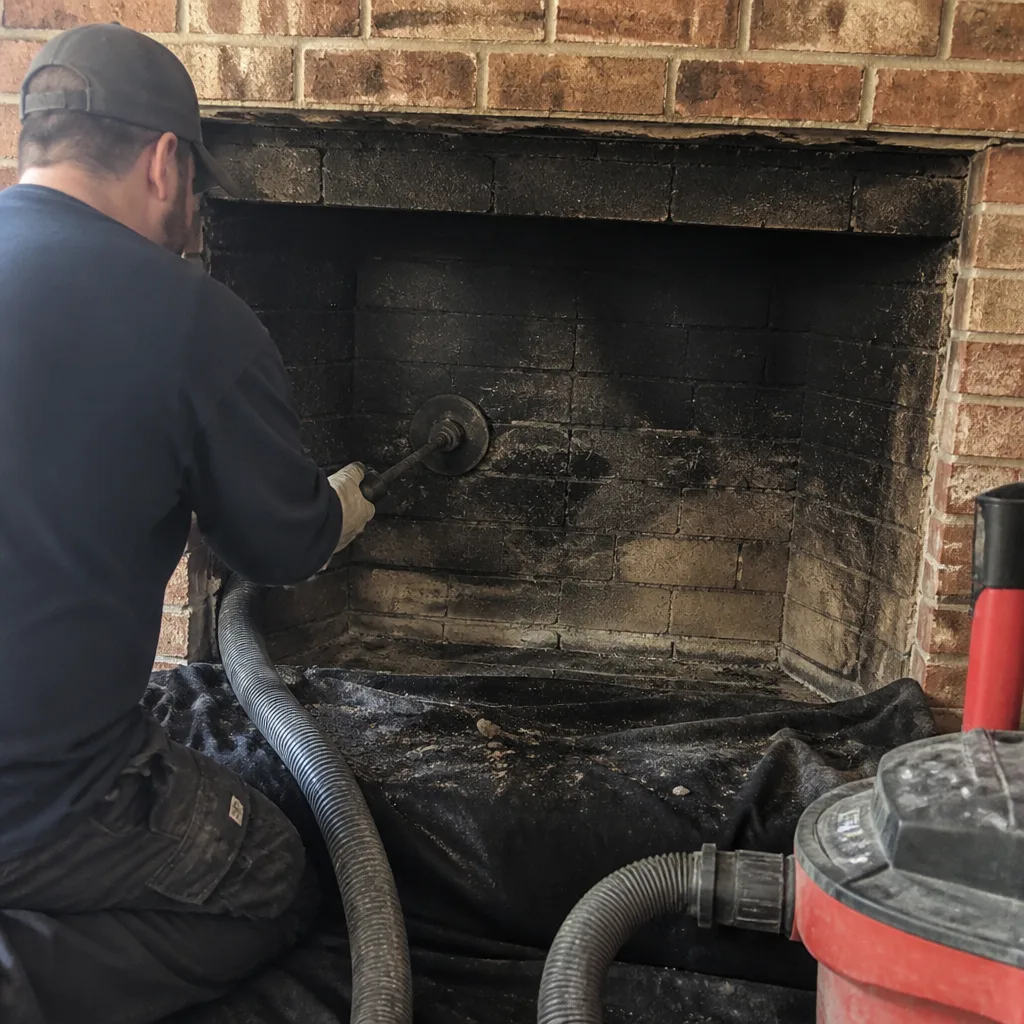 Before
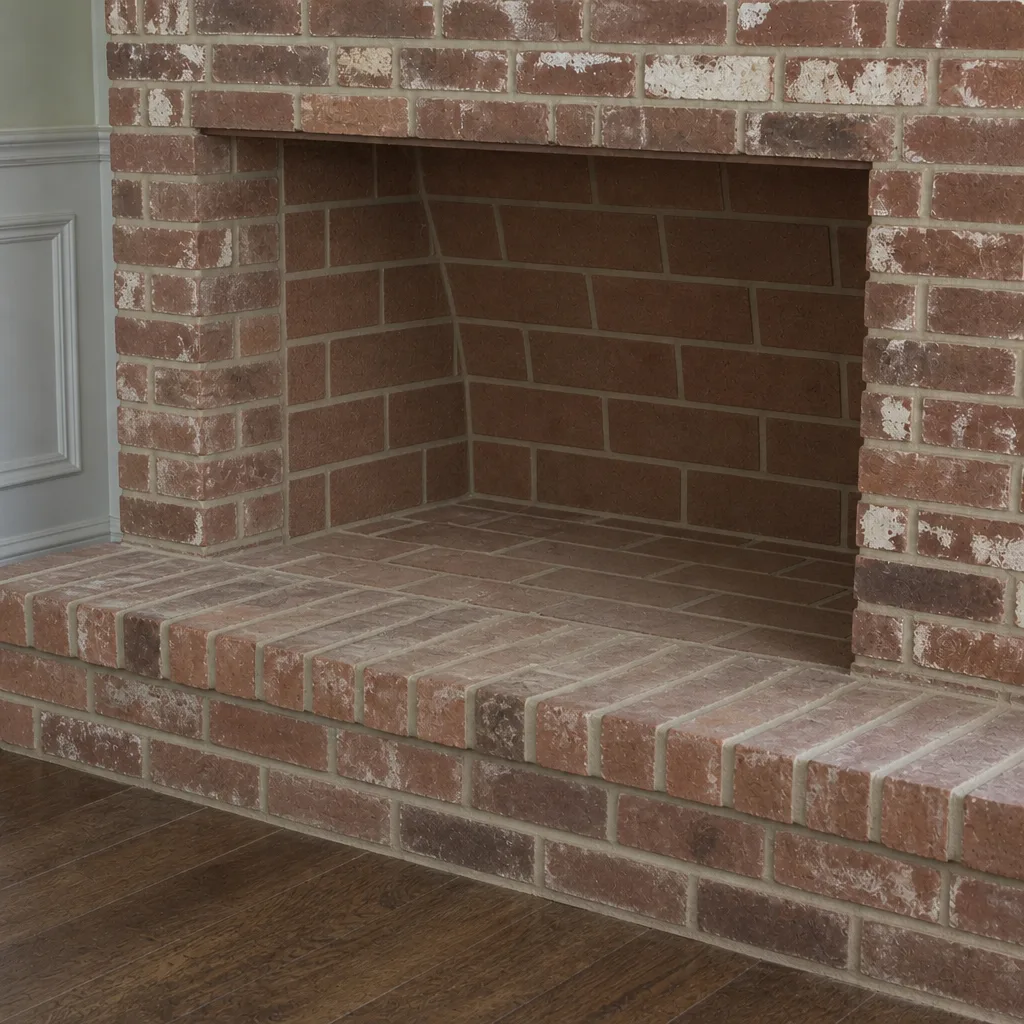
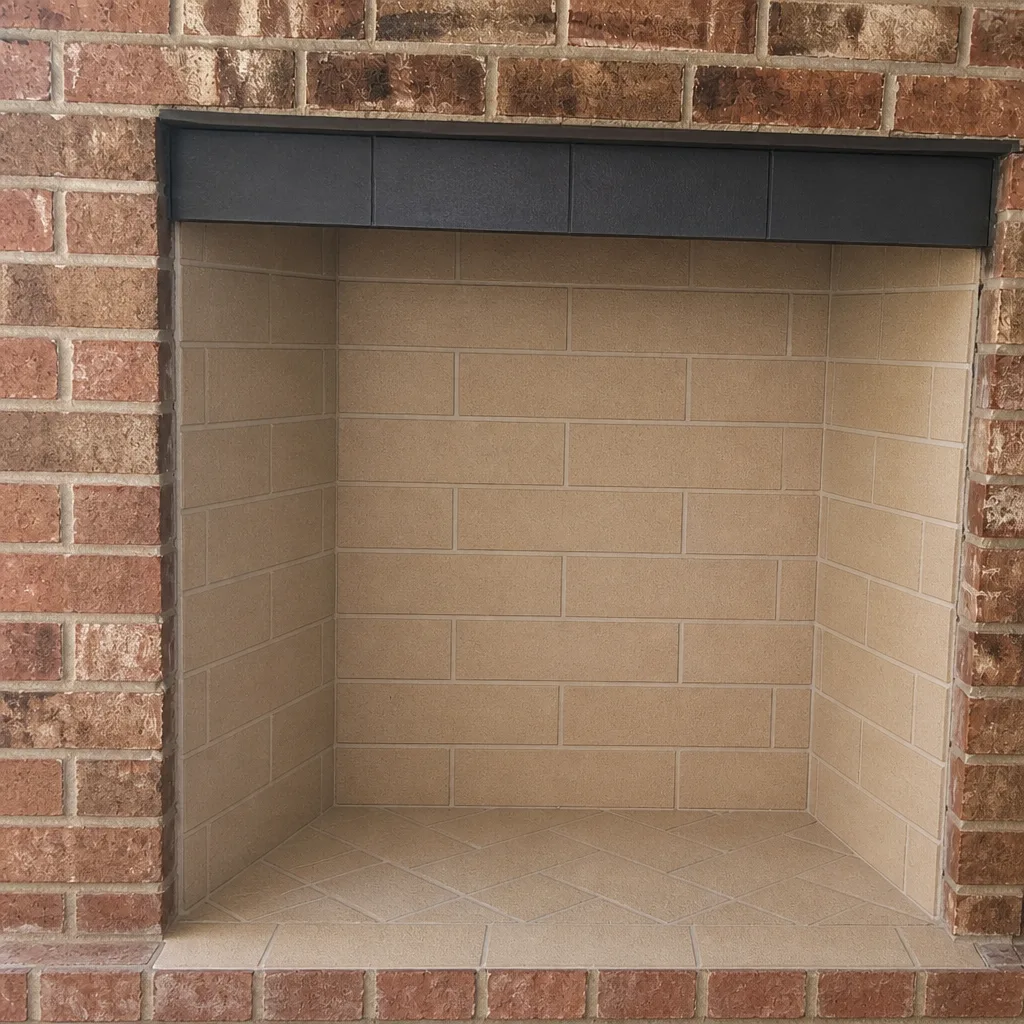 After
 Before
 After
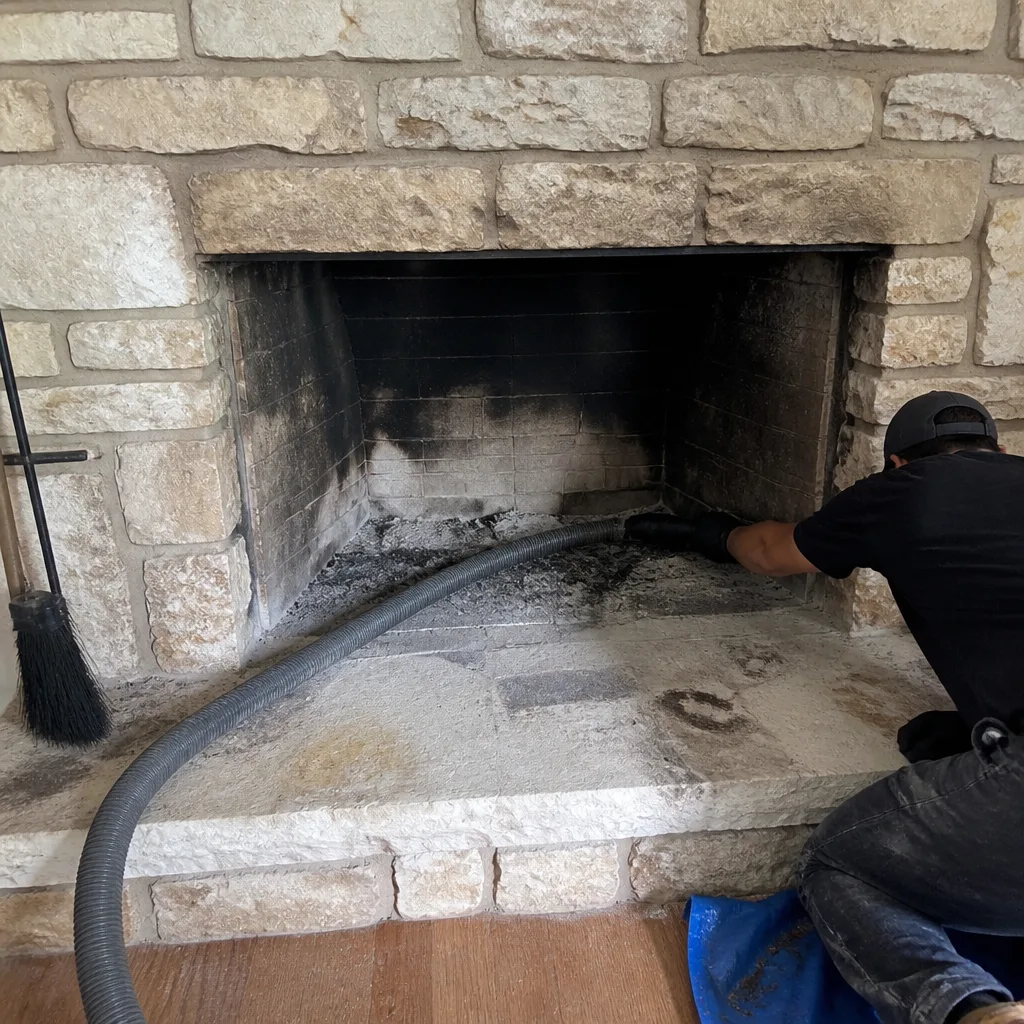 Before
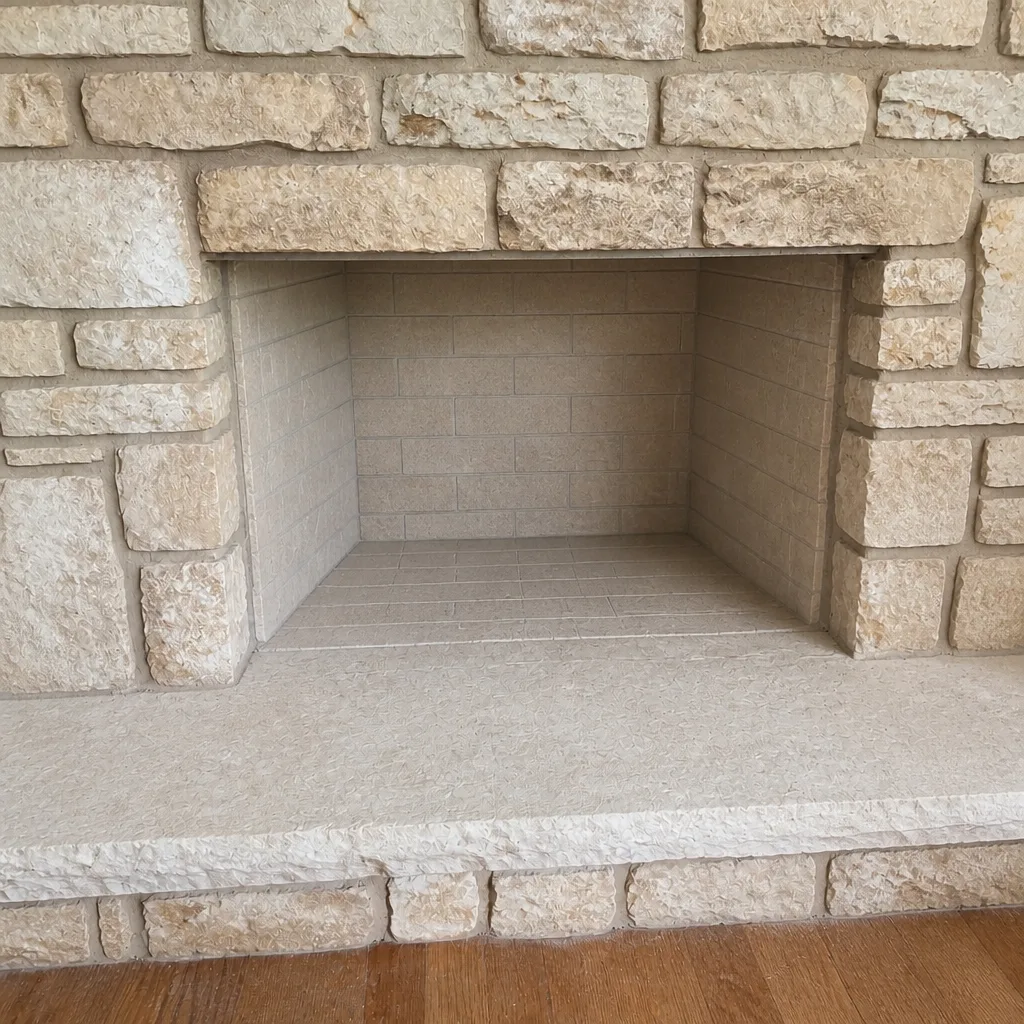 After
Frequently Asked Questions
Most fireplaces should be swept and inspected once a year, and a Westchase fireplace is no exception: mild winters mean frequent short burns that can still build creosote between fires. If the fireplace is used only a handful of times a season, the annual sweep still applies, because it’s just as much an inspection as a cleaning. Book the sweep and inspection together so the whole system gets a look, from firebox to chimney cap.
You can brush a flue, but a cleaning without an inspection only tells you the flue was dirty, not why. The warning signs on this guide, efflorescence, a cracked crown, a failing damper, a sound that comes from the structure, are the whole point. A specialist reads those signs and tells you what the chimney needs, in tiers, so you know what’s urgent and what can wait.
Efflorescence means water has moved through the masonry and is evaporating out the brick. The white mineral stain itself isn’t the damage; it’s the visible sign that water is entering somewhere above. The source is usually a failed crown, a bad cap, deteriorating flashing or open mortar joints. Once you know the source, the fix is often a crown or cap repair rather than a masonry overhaul, which is why we diagnose before we recommend.
Popping wood is normal. A popping or cracking sound that seems to come from the chimney structure is not. That sound can point to a liner fracture or a mortar joint failing under heat, and it’s a Tier 1 sign: stop using the fireplace and book an inspection before the next burn. A metal flue liner, including DuraFlex flexible systems, is designed to contain the fire’s heat, so a sound from the structure is worth taking seriously.
A smoke smell between fires points to a draft failure or creosote buildup; a musty, damp smell points to active moisture intrusion. The two often show up together, and each leads to a different set of fixes. A smoke smell means the flue isn’t pulling air the way it should. A musty smell means the chimney is taking on water, and the water is entering at the crown, cap or flashing. Both are reasons to book an assessment.
Because a chimney has five distinct parts that each fail differently: the sweep, the inspection, the cap and crown, the fireplace and the chimney repair. A specialist handles all five, which means you don’t have to coordinate three contractors to get one answer. That’s what full-system chimney care looks like. It’s why we work with brands like HeatShield and Olympia Chimney: the right product for the right job, from the same specialist who diagnosed the problem.
The Bottom Line
The warning signs on this guide are not a list of things to worry about. They’re a list of things to look for, smell for, listen for and notice. Efflorescence, spalling brick, a cracked crown, a smoke smell between fires, musty odor, slow-lighting fires, a damper that won’t seal, and popping or cracking sounds each point to a specific part of the system. The tiered action guide tells you what to do with each one: stop, schedule or monitor. Get an inspection before the next burn season and you’ll know exactly where the chimney stands. If you’re in Westchase and want a straight answer, Chimney Sweep Westchase handles the full system: a chimney sweep is where most homeowners start, with inspection, cap and crown work, and repair all under one roof.
Call (844) 443-3785 for a free estimate. We answer 24/7. Fast dispatch from 7am to 7pm, Sunday through Friday.
Written by the team at Chimney Sweep Westchase.