
Last updated November 24, 2026
 Sweep & inspection
 Caps & crowns
 Flue relining
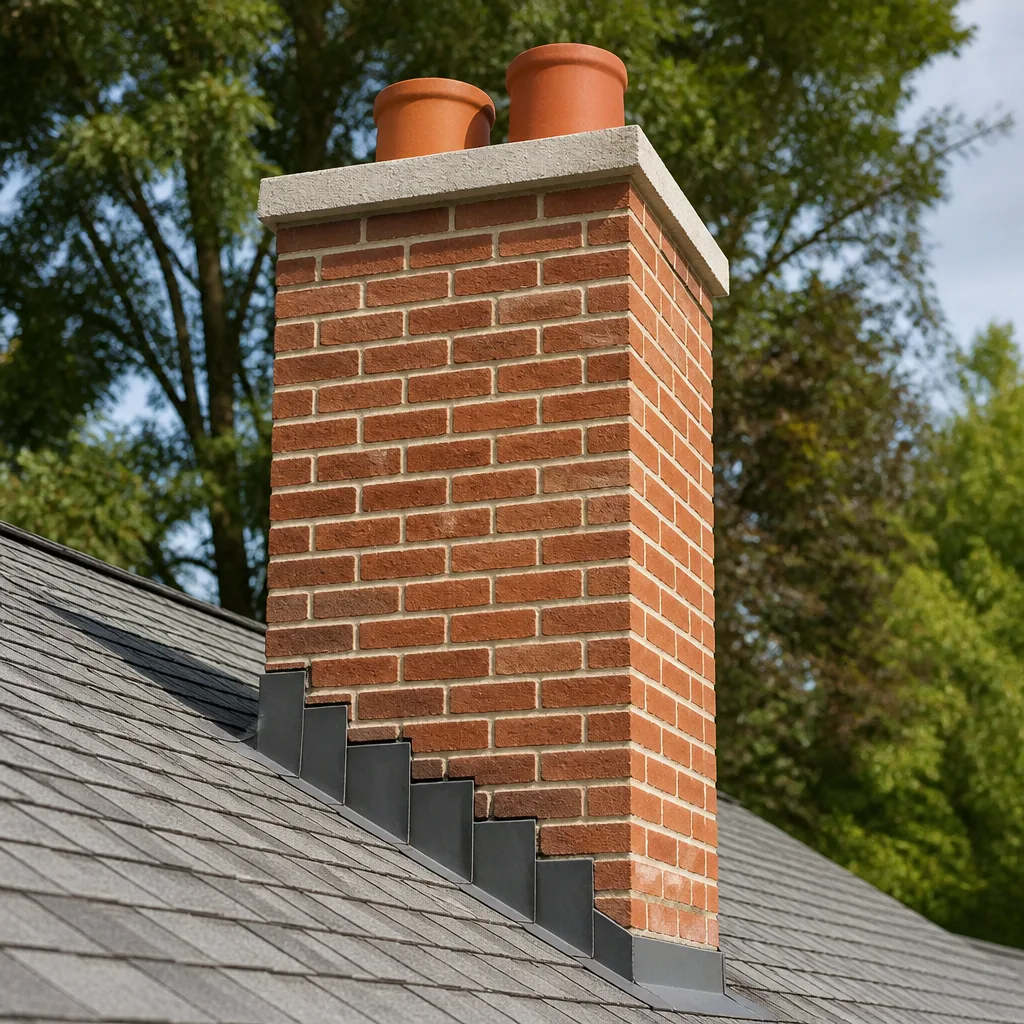 Masonry repair
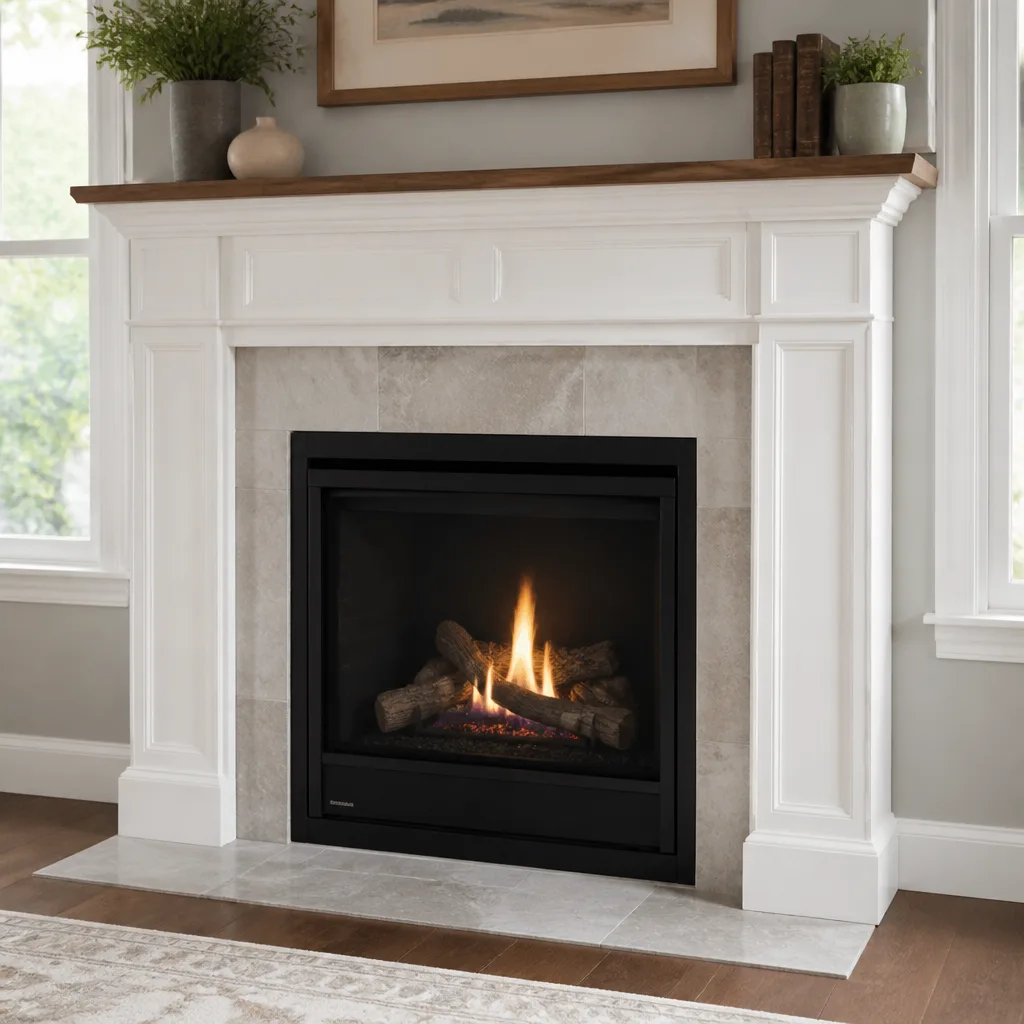 Gas fireplace service
Level 1 sweep and inspection to the NFPA 211 annual standard - flue, crown, cap, and flashing checked and photographed
Chimney sweep logs do not sweep chimneys. They loosen some creosote - which then falls where a brush and vacuum still have to collect it.
The Complete Guide to Chimney Cleaning in Westchase
Most chimney fires in wood-burning homes don’t start because the flue was dirty. They start because of a liner crack nobody looked at during a cleaning that stopped at the brush. That’s the uncomfortable truth about this trade: the sweeping is the visible part, and the diagnosis is the part that actually keeps your house standing. A brush pushed up and down a flue tells you almost nothing about the smoke chamber, the crown, or the joints behind the liner. In this guide we’ll walk through what a real chimney service involves in Westchase, how the Gulf Coast humidity changes the way creosote behaves here, what each inspection level means, and how to read a cleaning report so you can tell a genuine finding from a sales pitch.
Styles & brands we work with
- Sweep & inspection
- Caps & crowns
- Flue relining
- Masonry repair
- Gas fireplace service
Quick Answer
A proper chimney cleaning in Westchase is a full-system service, not a soot removal task. It should include a sweep of the flue, a Level 1 or Level 2 inspection depending on what’s found, a check of the firebox, damper, smoke chamber, crown, and cap, and a written report with photos. If someone cleans only the flue and hands you a bill, the job is only partly done. Call (844) 443-3785 for a free estimate. We answer 24/7 and dispatch Sunday through Friday, 7am to 7pm.
Table of Contents
- Why Chimney Cleaning Matters More in Westchase’s Climate
- The Anatomy of a Proper Chimney Cleaning
- Level 1, Level 2, and Level 3 Inspections Explained
- What a Chimney Specialist Checks That a Handyman Skips
- The Tools and Materials That Separate a Real Clean From a Shortcut
- How to Read a Chimney Cleaning Report
- How Often Should You Clean a Chimney in Westchase?
- What Does Chimney Cleaning Cost in Westchase?
- Common Mistakes to Avoid
- When to Call a Professional
- Frequently Asked Questions
- The Bottom Line
Why Chimney Cleaning Matters More in Westchase’s Climate
Westchase sits on the Gulf Coastal Plain, and that matters to your chimney in ways that homeowners moving here from drier parts of the country don’t expect. The air is warm and humid for most of the year, which changes how creosote forms and hardens inside a flue. In dry climates, creosote tends to bake into a brittle, flaky glaze that brushes off relatively easily. Here, the humidity lets creosote absorb moisture between burns, which softens it briefly and then sets it into a stickier, denser deposit the next time you light a fire. The result is that creosote in a Westchase flue often builds faster per cord of wood than it would in a dry climate, and the third-degree glazed stage arrives sooner.
That’s why we tell Westchase homeowners to think about cleaning frequency in terms of burn cycles rather than calendar years. A household that burns a few fires a month through the mild winter and spring can still accumulate a meaningful creosote layer by the time next season arrives, especially if the wood is less than fully seasoned. The humidity also works on the masonry itself. Westchase’s warm, wet air moves in and out of the chimney shell, and any small crack in the crown or the mortar joints gives moisture a path inside. That’s not a chimney-fire risk on its own, but it accelerates the kind of deterioration that later becomes a liner problem.
One practical takeaway: after a heavy burn season, get the flue inspected before the humidity has months to work on unseasoned creosote deposits. Cleaning early in the year catches a soft, brushable layer before it glazes. Wait until the fall, and you’re often paying for a more involved job. For Westchase homeowners, that single scheduling habit is probably the most useful thing in this guide.
The Anatomy of a Proper Chimney Cleaning
A chimney is a system with five distinct layers, and a real cleaning addresses every one of them. Here’s what gets checked, from the bottom up:
- Firebox. The firebox takes the most direct heat of any part of the system. We look for cracked firebrick, deteriorated mortar joints, and gaps between the firebox and the surrounding masonry that could let heat escape into the structure.
- Damper. The damper plate and its frame need to open fully and close cleanly. A damper that sticks partly open wastes heat out the chimney and makes the fire harder to control. A damper that won’t open is a safety issue the moment you light a fire.
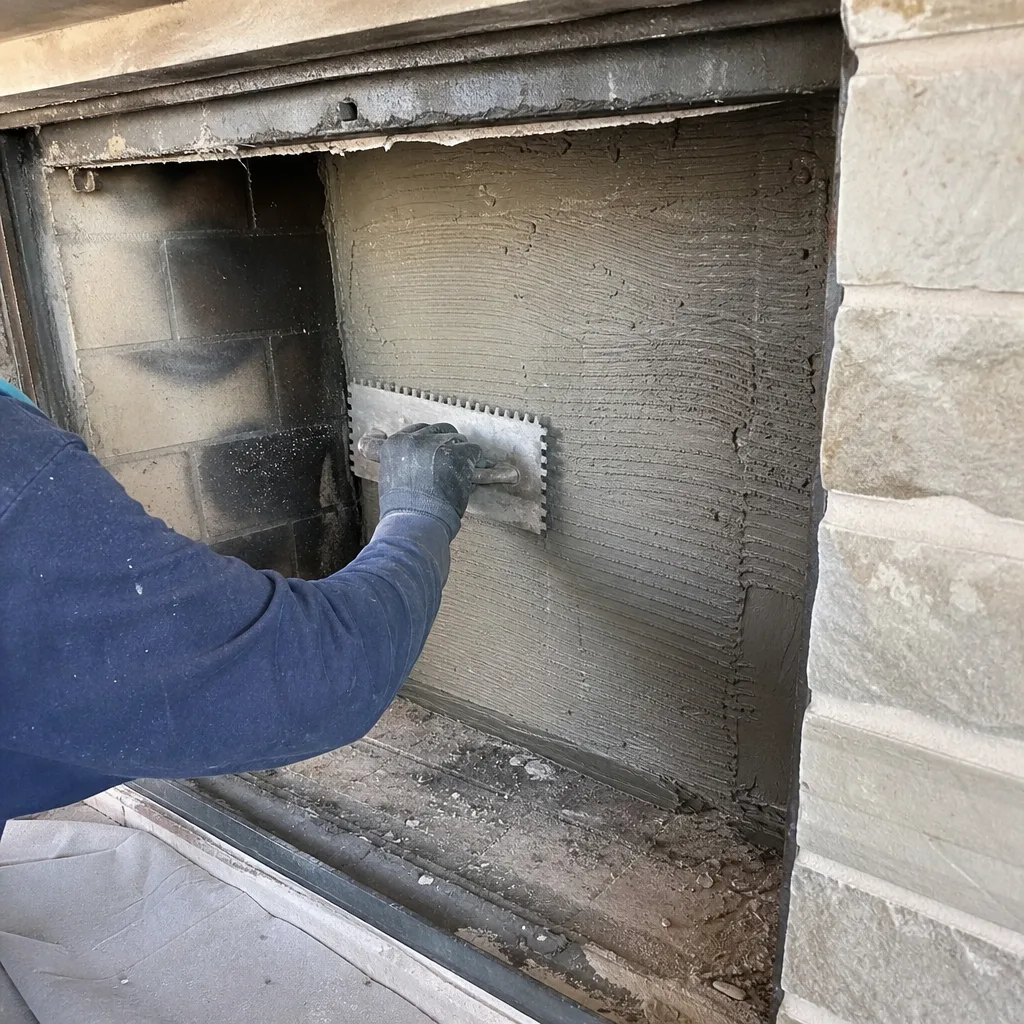
- Smoke chamber. The smoke chamber is the tapered section above the damper. It corbels inward, and those corbeled surfaces collect creosote in ways a straight flue doesn’t. Most shortcut cleanings skip the smoke chamber entirely because you can’t reach it with a straight flue brush. Proper smoothing with a product like HeatShield is what separates a chimney that drafts well from one that smokes into the room.
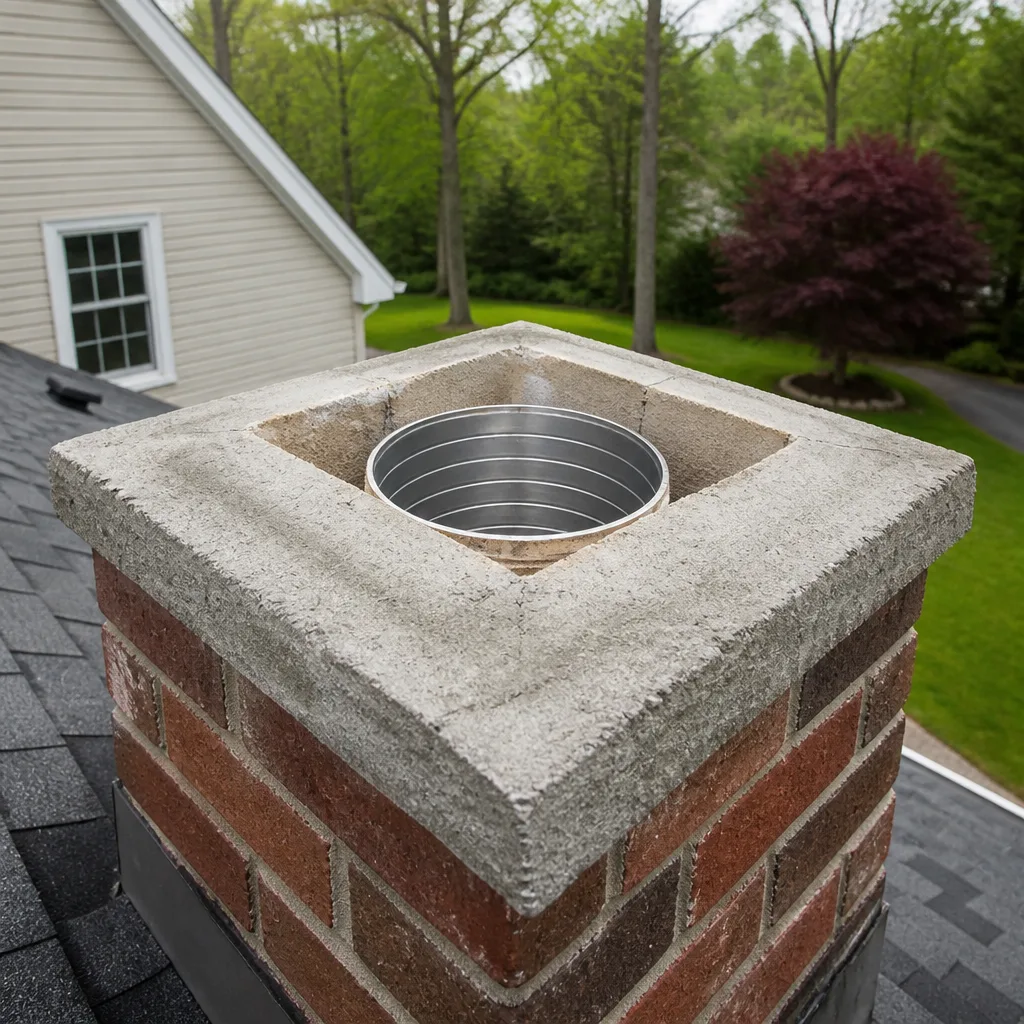
- Flue and liner. The flue is the vertical channel. The liner is the protective layer inside it, either clay tile, stainless steel, or a cast-in-place product. The brush cleans the flue; the inspection verifies the liner. These are not the same task, and the second is more important.
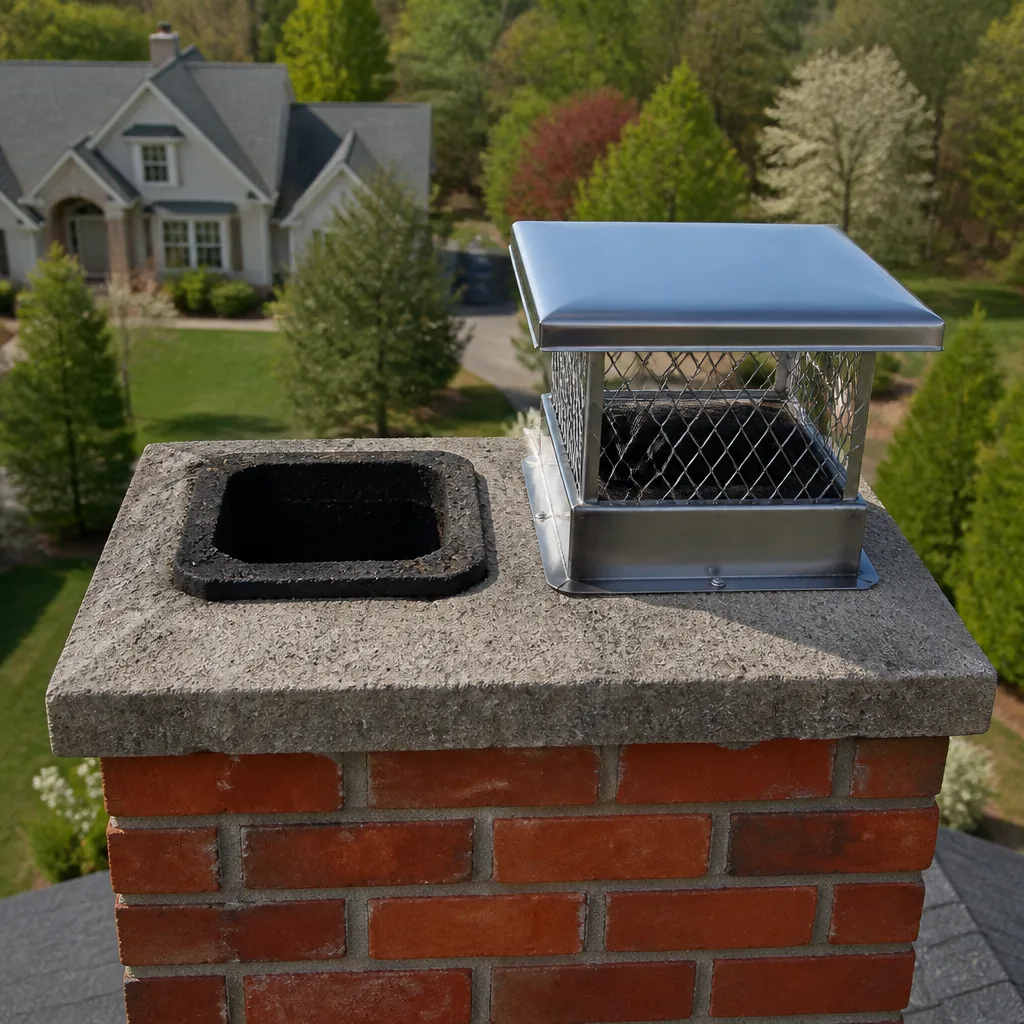
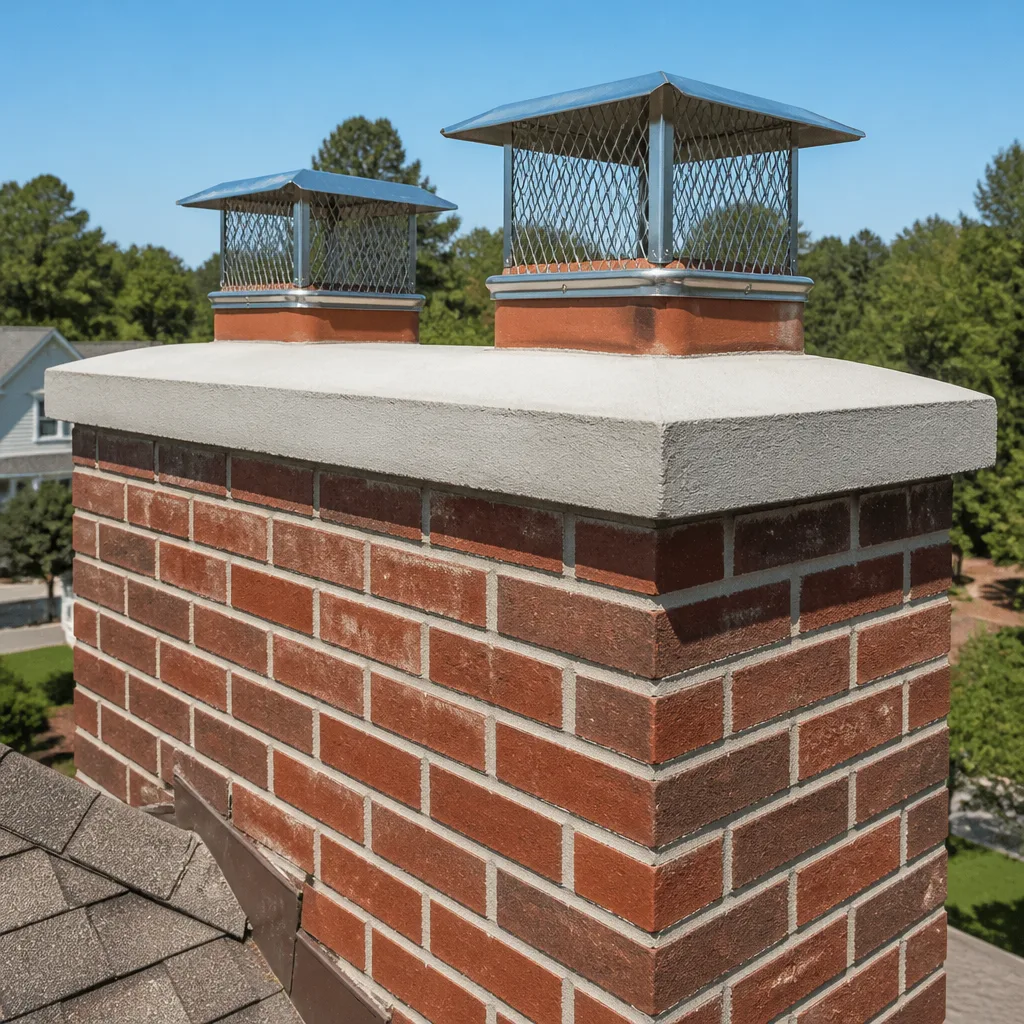
- Crown and cap. The crown is the concrete cap on top of the masonry that throws water off the chimney. The cap is the metal or mesh cover at the flue opening that keeps rain, birds, and squirrels out. Both are weather-exposed, and both are where small problems start.
When we say we inspect what we sweep, that’s what we mean: the sweep cleans the flue, but everything above and below gets assessed in the same visit. If you want a deeper breakdown of any single layer, our Chimney Sweep Westchase page walks through the service menu, and our chimney cap & crown page covers the top-of-chimney work that most cleanings should flag but often don’t.
Level 1, Level 2, and Level 3 Inspections Explained
Not every cleaning calls for the same inspection. The chimney industry recognizes three inspection levels, and knowing which one your situation calls for protects you from both over-selling and under-diagnosing.
- Level 1 inspection. The standard inspection for a chimney under continued service with no changes to the system. It’s a visual check of accessible portions of the firebox, damper, flue, and cap. A routine annual cleaning in Westchase usually includes a Level 1 and becomes a Level 2 if anything is flagged.
- Level 2 inspection. Required whenever there’s a change in the system: a new appliance, a change in fuel type, a chimney that’s been through a significant event (a chimney fire, a lightning strike, a seismic event), a property sale, or an installation of a new liner or cap. Level 2 adds a video scan of the flue interior and access to areas not visible in a Level 1, including crawl spaces and attic penetrations.
- Level 3 inspection. The most involved, and only warranted when a Level 1 or 2 uncovers a serious hazard that requires access to concealed areas of the chimney, often by removing parts of the structure. This is rare outside of significant failures.
For a routine cleaning in Westchase, a Level 1 with escalation to Level 2 if something turns up is the standard approach. A video scan is what tells you the true condition of a liner. Reading a liner by eye from the top and bottom of the flue is guesswork, and liner cracks are the most common reason a chimney fire starts despite what looked like regular cleanings. A short walkthrough of what that scan should show is what turns an inspection into useful information rather than a checklist.
What a Chimney Specialist Checks That a Handyman Skips
The difference between a chimney sweep and a generalist who cleans chimneys on the side usually comes down to three things: liner condition, smoke chamber corbeling, and draft performance. A handyman typically owns a brush and a shop vacuum. That’s a start, but it’s not a diagnosis.
Liner condition requires a video scan and the training to interpret what the camera shows. A clay tile liner with cracked or spalled tiles isn’t safe to keep burning against, even if the brush slides right past. A stainless flexible liner in good condition can keep serving for years. You can’t tell the difference without looking, and you can’t fix what you don’t know is broken.
Smoke chamber corbeling is a specific problem. The corbeled surfaces above the damper create ledges where creosote, soot, and tar collect in a way a flue brush can’t reach. If those surfaces are rough, they also create turbulence that hurts draft. Smoothing the smoke chamber with a product like HeatShield changes the way the chimney performs in a way that a generalist will never address.
Draft performance is the whole point of a chimney. It’s tested by watching how the fire behaves under real burn conditions and looking for telltales: smoke spillage at the damper, back-puffing shortly after lighting, uneven burning. Draft problems get blamed on wet wood, but they’re often about the flue size, the smoke chamber, or the cap. A specialist looks at the whole system; a generalist looks at the soot layer.
We’ve encountered plenty of Westchase chimneys where a homeowner paid for years of cleanings and never got a liner inspection. That’s the pattern we’re trying to change with a five-service menu: sweeping, inspection, cap and crown work, fireplace repair, and chimney repair, all handled by one company. That’s a single-source accountability structure, not a referral network.
The Tools and Materials That Separate a Real Clean From a Shortcut
Tools tell you a lot about how a job is being done. A shortcut cleaning uses a single brush and a shop vac. A professional cleaning uses a suite of tools matched to the job.
- Polypropylene rods and brushes in matched sizes. The brush needs to match the flue’s cross-section. Oversized brushes damage clay tile liners. Undersized brushes leave the corners.
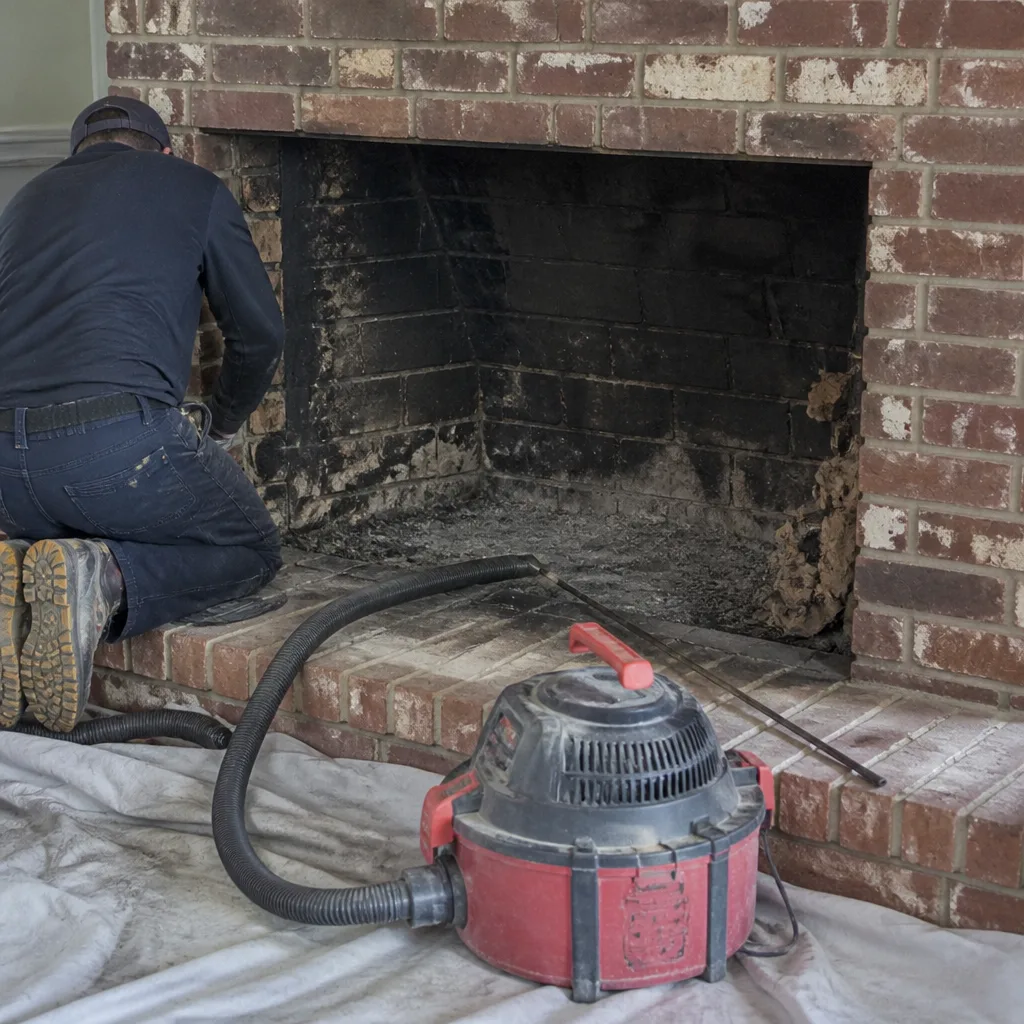
- HEPA vacuum with a sealed dust-control connection. A HEPA vacuum at the firebox opening draws negative pressure strong enough to pull soot toward the vacuum rather than into the living room. Without that seal, the room will be dusted, and the homeowner cleans up what the sweep should have.
- Video inspection camera on a flexible reel. This is what makes a Level 2 inspection a real diagnosis rather than a guess.
- Smoke chamber tools and smoothing material. HeatShield resurfacing is applied with a specific toolset and can’t be faked with a shop vacuum.
- Cap and crown materials from names you’d recognize on the trade side. Gelco and Famco caps and covers are chosen for durability, not price point. Olympia Chimney and Copperfield supply materials throughout the liner and drafting side of the work.
- Liner systems matched to the flue. DuraFlex flexible liner systems are used where rigid liner won’t make the turns. That’s the difference between a liner that fits and one that has to be forced.
For Westchase homeowners who’ve had a frustrating experience before, the tool question is a useful filter. Ask what vacuum the crew uses and whether a video scan is included. If the answer is vague, that’s your answer about the quality of the job.
How to Read a Chimney Cleaning Report
A real chimney cleaning produces a report you can read and understand, with photos that show what was found. Here’s how to read one so you can tell a genuine finding from an upsell.
- Look for photos, not descriptions alone. Every finding worth acting on should come with a photo or video frame. No photo, no urgency.
- Check that the flue scan is included for a Level 2. If a Level 2 inspection was performed and there’s no video scan referenced, the inspection wasn’t actually done.
- Read the creosote description. Creosote is classified into degrees, and the degree determines what cleaning method is appropriate. A report that says “moderate creosote” without a degree isn’t giving you enough to act on.
- Look for the crown and cap. A report that says nothing about the crown, cap, or flashing at the chimney penetration is incomplete. Those are the water-entry points.
- Check what was not recommended. A credible report will often say “no action needed” on multiple line items. A report that recommends everything is a red flag.
- Confirm the fireplace parts. Firebox, damper, smoke chamber, and hearth should each have a line in the report. If a section is missing, the inspection skipped it.
The rule we work to is simple: nothing is recommended without camera evidence the homeowner can see. That approach means we sometimes tell a Westchase homeowner the chimney is fine and hand them a report with no repair line. It’s the right outcome when it’s the true one.
How Often Should You Clean a Chimney in Westchase?
The general industry rule is a cleaning whenever one-eighth of an inch of creosote has accumulated on the flue wall, which for most households works out to roughly once a year during active use. For Westchase specifically, the warm, humid climate means creosote hardens faster between burns, so a household that burns wood as its primary heating source should plan on an annual inspection regardless of how the flue looks from the bottom. Households that burn occasionally can often stretch the interval, but the annual inspection still applies.
Here’s a scheduling rule we give Westchase homeowners: get the flue inspected at the end of the burn season, before the humidity has had months to work on a soft creosote layer. That timing usually means a cleaning catches glazing before it sets, and glazed creosote is much harder to remove once it hardens. If you’ve just moved into a Westchase home with a fireplace you haven’t used, don’t assume it’s clean. Get a Level 2 inspection first, regardless of what the previous owner said.
Beyond creosote, the humidity in Westchase also drives water intrusion through the crown and cap. A cap that’s missing or damaged lets rain straight into the flue, which softens creosote and accelerates masonry deterioration. That’s why we treat chimney cap & crown work as part of the same conversation rather than a separate project.
What Does Chimney Cleaning Cost in Westchase?
A routine chimney cleaning in Westchase isn’t a fixed number, because the cost depends on what’s found and what’s included. The written estimate you receive after the initial inspection sets the final price, and we don’t quote over the phone for a job we haven’t seen. What we can do is break down what typically drives the estimate, so you know what you’re comparing when you shop around.
| Service | What drives cost |
|---|---|
| Routine flue sweep | Flue height, number of flues, degree of creosote buildup |
| Level 1 inspection | Usually included with a sweep |
| Level 2 inspection with video scan | Number of flues, access to the flue top, camera use |
| Cap and crown repair or replacement | Chimney size, crown condition, cap material (Gelco, Famco, or similar) |
| Liner restoration (HeatShield) | Length of needed repair, number of voids or cracks |
| Full liner replacement (DuraFlex or similar) | Flue dimensions, liner length, complexity of the configuration |
| Fireplace repair | Firebox condition, damper, smoke chamber smoothing |
If the price quote you get from any company is suspiciously low, ask whether the inspection and video scan are included and whether the price is a floor or a firm number. A sweep who cleans the flue and calls it a service is skipping most of the work that protects your home. If it’s suspiciously high, ask for the photos. Every line on the estimate should map to something visible in the report. Call (844) 443-3785 for a free estimate. We answer 24/7.
Common Mistakes to Avoid
- Assuming a cleaning is also an inspection. They’re different tasks. A cleaning addresses the flue; an inspection verifies the liner, smoke chamber, crown, and cap. A homeowner who pays for one and not the other has half a service.
- Skipping the video scan because the flue “looks fine.” Most liner failures are invisible from the top and the bottom. The camera is the only way to know for certain, and a broken liner is the leading cause of chimney fires in homes with otherwise well-maintained chimneys.
- Burning unseasoned wood to save money on firewood. In Westchase’s humidity, unseasoned wood is a creosote generator. The cost saving on the wood is wiped out by more frequent cleanings and a higher risk of glazed creosote.
- Letting the chimney cap go missing. A missing cap lets rain, squirrels, and birds into the flue. Water is the fastest route to a rusted damper and a cracked crown, and neither is cheap to fix.
- Trusting the previous owner’s word on the chimney. A chimney that hasn’t been serviced in years often looks fine from the hearth. Get a Level 2 inspection before the first burn in a new Westchase home.
- Taking a handyman’s “it’s fine” as a diagnosis. Line-by-line inspection of a chimney takes specific tools, training, and experience. Not every trade can read a liner scan or a smoke chamber.
- Waiting until spring to schedule a cleaning after a heavy burn season. Westchase’s humidity accelerates glazing, so creosote that sits through a warm, wet spring is harder to remove later on.
When to Call a Professional
Call a chimney specialist if any of these apply: you haven’t had the chimney inspected in over a year, you’ve moved into a Westchase home with a fireplace and don’t know its service history, you’ve had a chimney fire (even a small one, even one you think you put out yourself), smoke spills into the room when you light a fire, you smell a strong creosote odor on warm days, the cap is missing or damaged, or you see cracked tiles or gaps in the crown. Also call if the last company you hired handed you a bill and no report. Those are the moments when an inspection is worth more than another cleaning. Chimney Sweep Westchase offers free estimates in Westchase; call (844) 443-3785. We answer 24/7 and dispatch Sunday through Friday, 7am to 7pm.
Frequently Asked Questions
There’s no fixed price because the cost depends on what’s found and what’s included, and the written estimate after the inspection sets the final number. Cleaning plus inspection, video scan, and report is the standard job, and a sweep that only brushes the flue without inspecting should be priced lower for a reason. Call (844) 443-3785 for an exact quote – estimates are free.
Only if the video scan shows the existing liner is unsafe, and you should never take that recommendation on faith. Ask to see the frames. If the tiles are cracked, spalled, or missing, a liner is the correct fix; HeatShield restoration can sometimes save a liner that doesn’t need full replacement, and a full DuraFlex flexible liner is the option when the existing liner is beyond restoration. Call (844) 443-3785 for a free estimate – estimates are free.
Once a year during active use is the standard rule, and Westchase’s humid Gulf Coast climate means creosote here can harden faster than in drier parts of the country. A household that burns regularly should get an inspection annually even if a cleaning was done the year before. Call (844) 443-3785 for an exact quote – estimates are free.
The risk isn’t cosmetic. Creosote builds, glazes, and becomes fuel for a chimney fire that can spread into the surrounding structure. A cracked liner can let heat and carbon monoxide escape into parts of the house you never see. Cleanings catch both. Call (844) 443-3785 for a free estimate – estimates are free.
A sweep cleans the flue; a specialist diagnoses the whole system, from firebox to crown. In Westchase, that difference shows up in whether the visit includes a video scan, a smoke chamber check, and a written report with photos. A sweep without those is a partial service no matter what the invoice says.
Often, yes. The crown and cap are inspected as part of a routine cleaning, and minor repairs can usually be scheduled with the same company rather than handed off to a separate contractor. Substantial structural work may need a follow-up appointment, and that’s discussed with the estimate. Call (844) 443-3785 for a free estimate – estimates are free.
The Bottom Line
Chimney cleaning in Westchase is a system check, not a soot removal. The flue is one layer of five, and the layers above and below the brush are where the real risk lives: the liner, the smoke chamber, the crown, the cap. A cleaning without an inspection is a partial job, and a report without photos is a guess. Call Chimney Sweep Westchase at (844) 443-3785 for a free estimate. We answer 24/7 and dispatch Sunday through Friday, 7am to 7pm. Our technicians have up to 9 years of experience, and we inspect what we sweep, from firebox to chimney cap.
Written by the team at Chimney Sweep Westchase.
See the difference
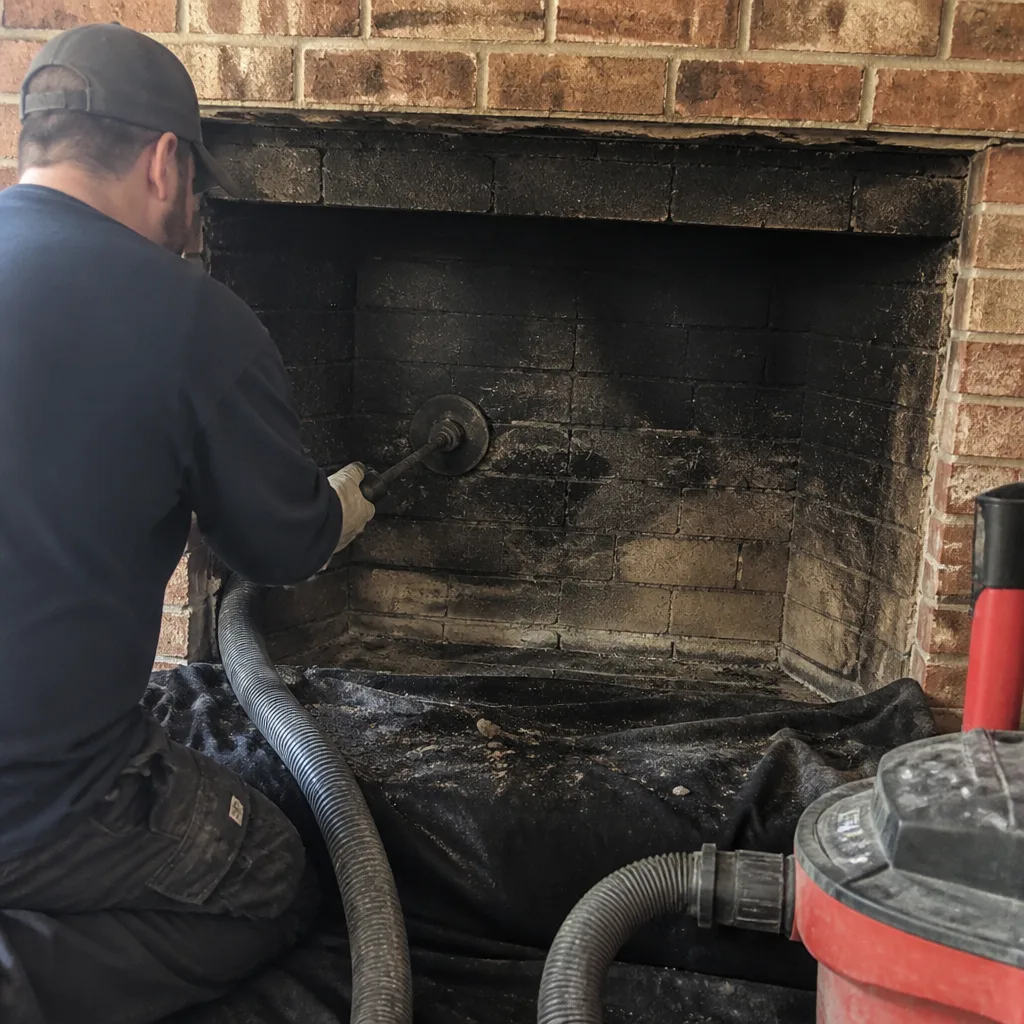 Before
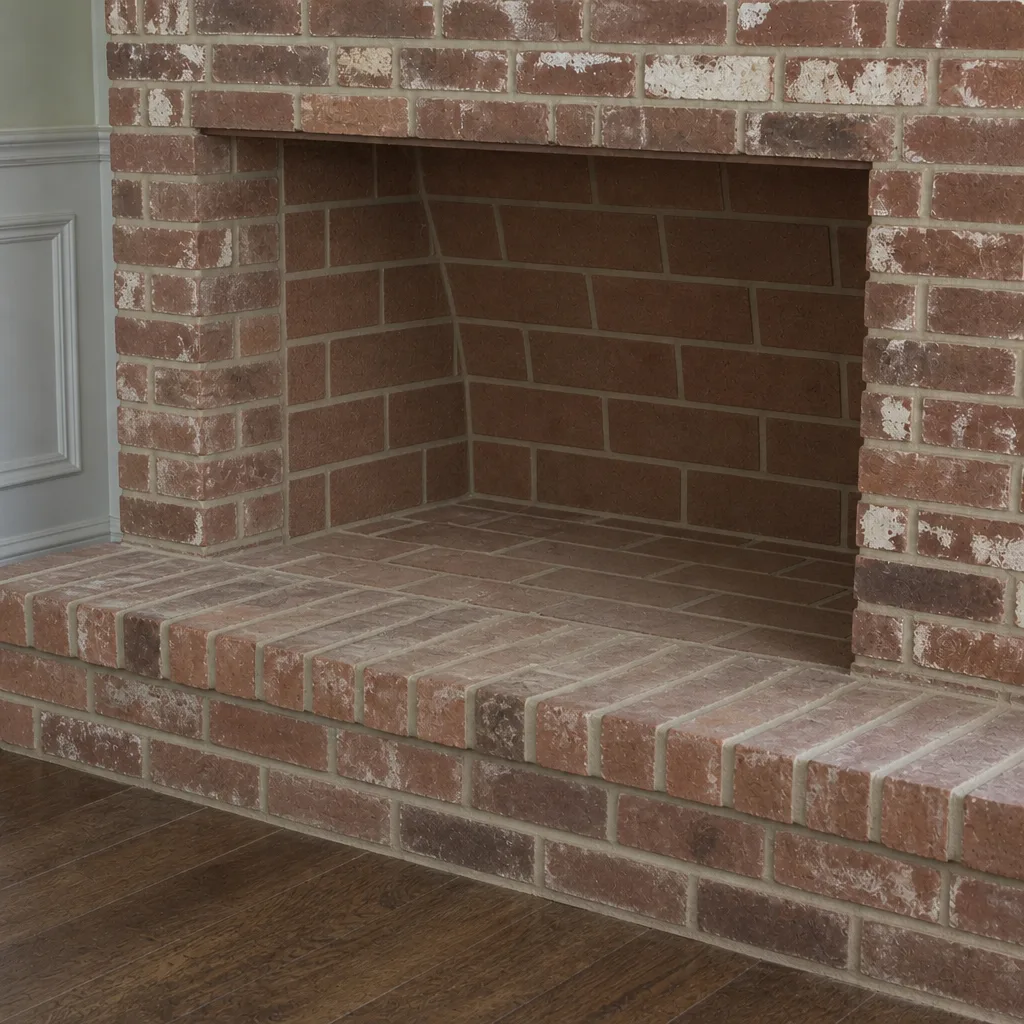
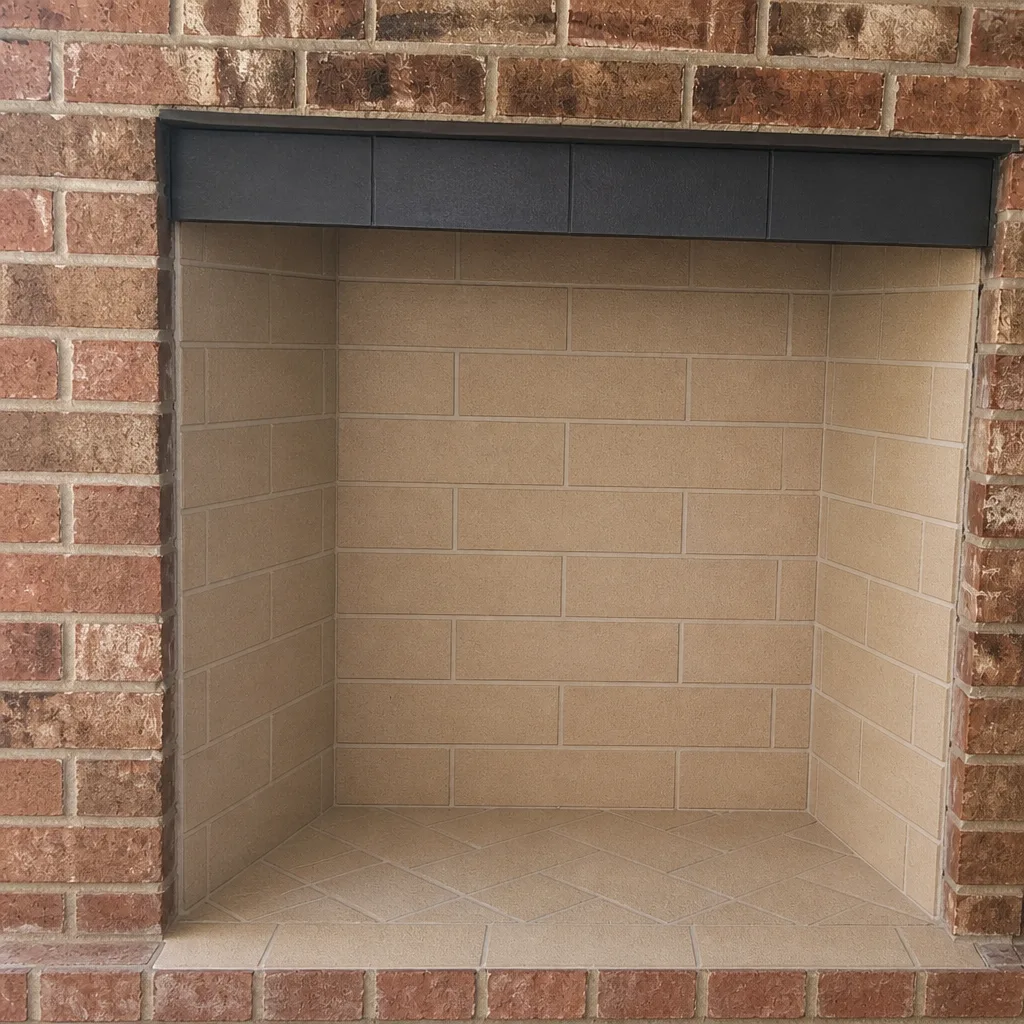 After
 Before
 After
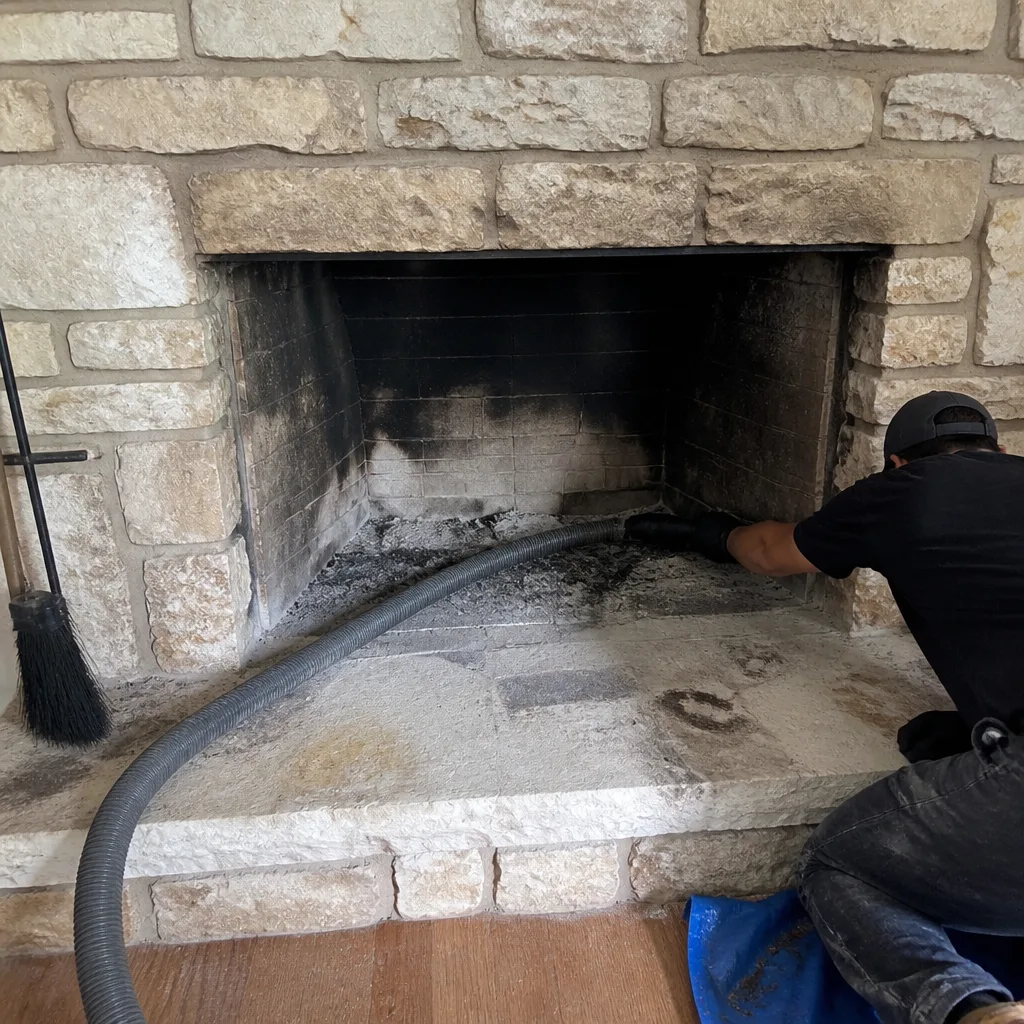 Before
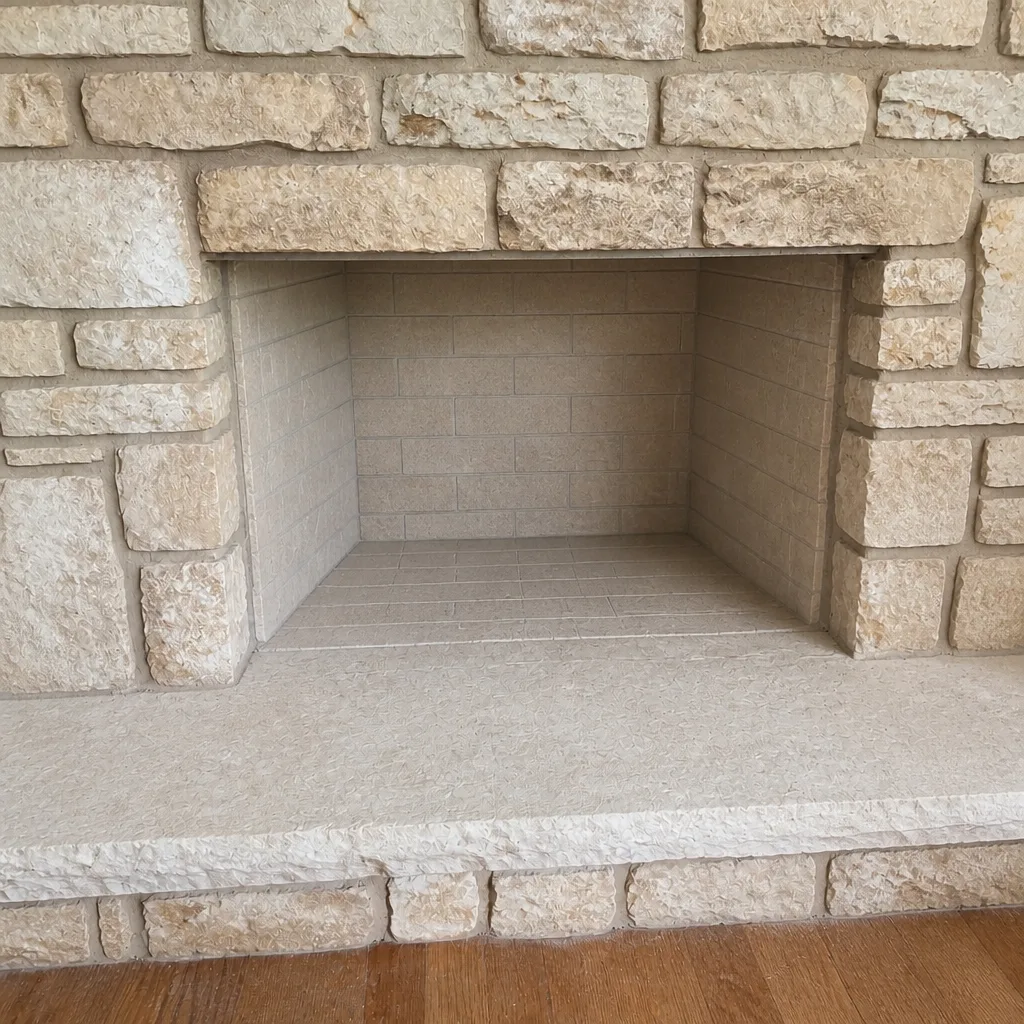 After