
Last updated November 24, 2026
 Sweep & inspection
 Caps & crowns
 Flue relining
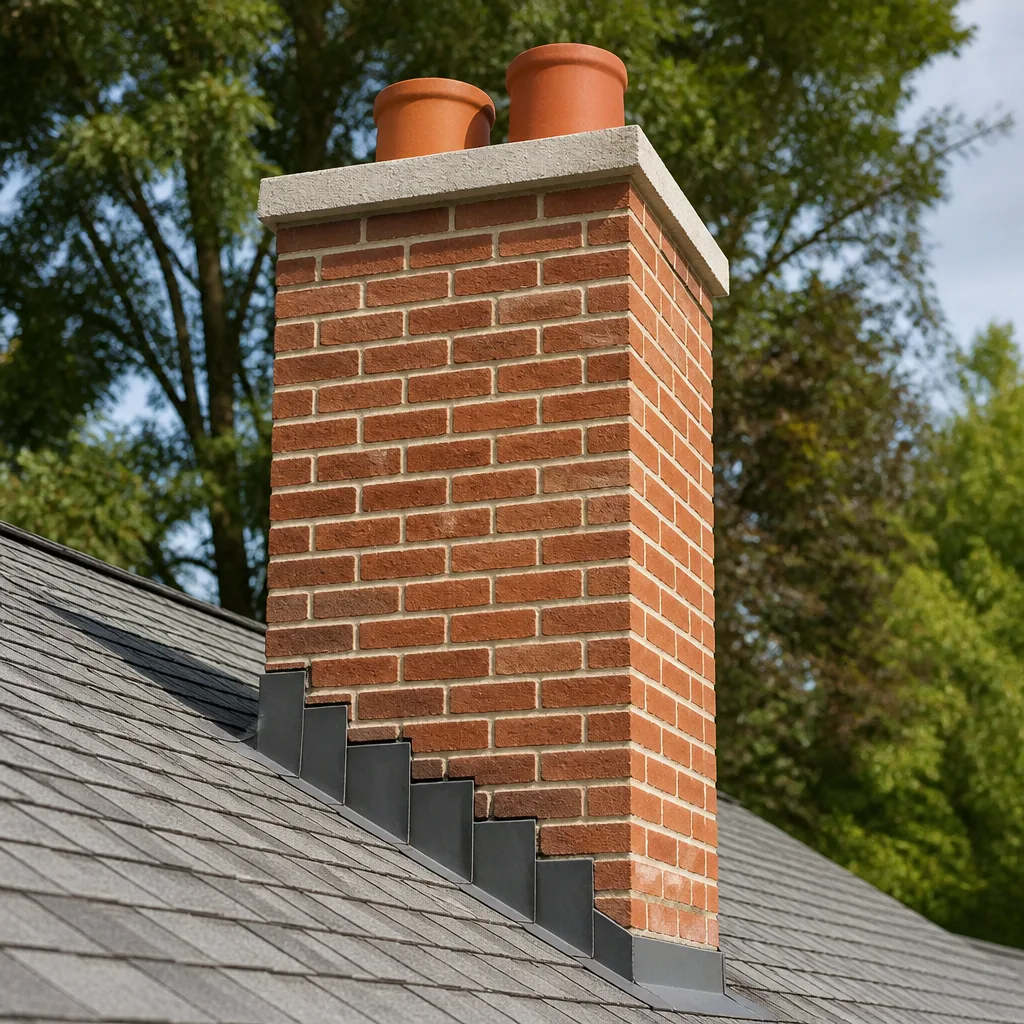 Masonry repair
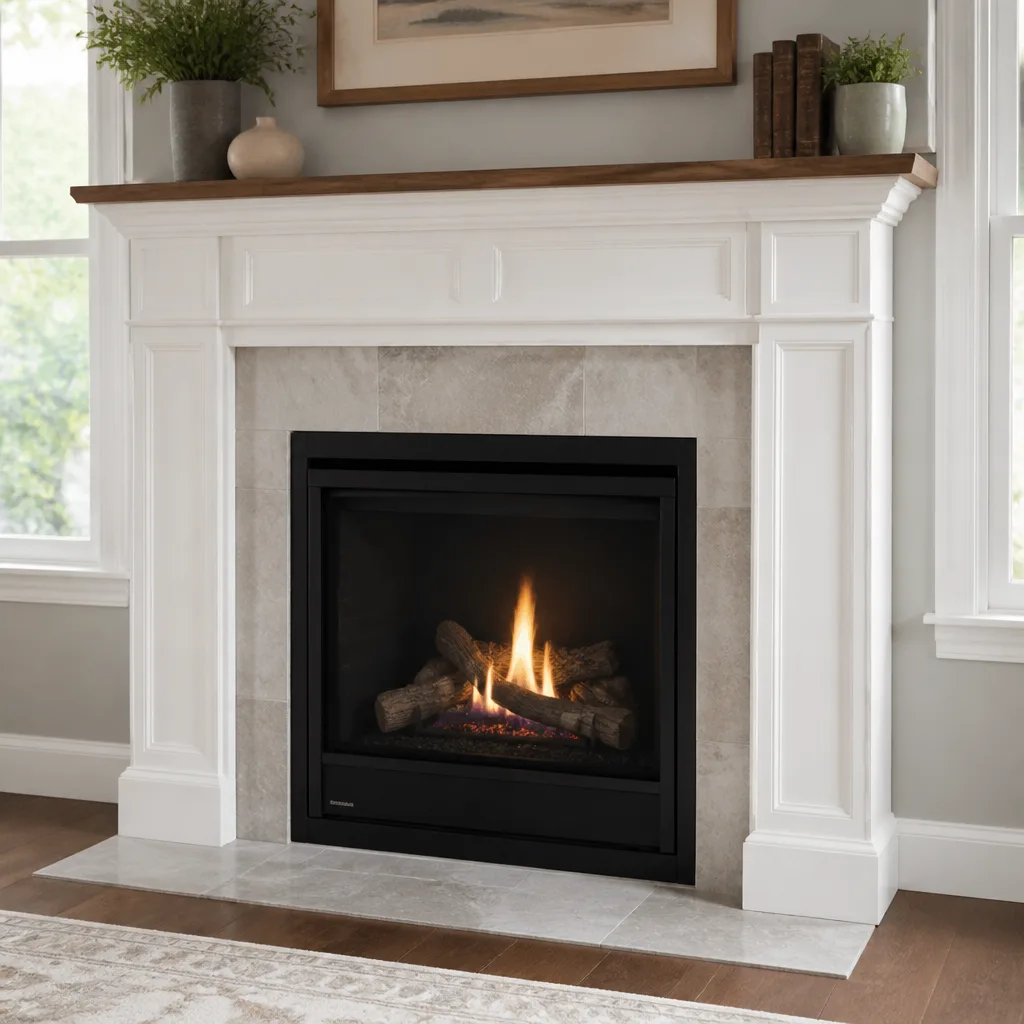 Gas fireplace service
Level 1 sweep and inspection to the NFPA 211 annual standard - flue, crown, cap, and flashing checked and photographed
Chimney sweep logs do not sweep chimneys. They loosen some creosote - which then falls where a brush and vacuum still have to collect it.
Seasonal Chimney Cleaning Care for Westchase: Year-Round Homeowner’s Guide
In Westchase, the months your fireplace sits unused are the months it takes the most damage. Most homeowners think chimney care is a winter job, something to schedule after the burn season or after the first cold snap drives them to light a fire. That logic works in places with hard freezes and long heating seasons. It doesn’t work here. Houston’s humid off-season is when moisture works into the cracks and mortar joints a winter of heat cycling leaves behind, and by the time you’re ready to burn again the damage has had months to settle in. This guide rebuilds the seasonal calendar around what actually happens to a Westchase chimney across all four seasons, and shows you what to check, when to schedule, and why the timing matters more than most people realize.
Quick Answer
Chimney care in Westchase runs on a four-season cycle: inspect and sweep in fall before the first fire, watch for moisture and creosote hardening through spring, monitor mortar and liner condition during the humid summer idle months, and burn clean through winter to limit new creosote. The single most important appointment is the pre-season inspection in fall, because it’s the last chance to catch a problem before you’re relying on the chimney every cool evening.
Styles & brands we work with
- Sweep & inspection
- Caps & crowns
- Flue relining
- Masonry repair
- Gas fireplace service
Table of Contents
- Spring: What to Check When the Burn Season Ends
- Summer: How Heat and Humidity Work on Your Chimney
- Fall: The Pre-Season Inspection Checklist
- Winter: Burn Practices That Keep Creosote Down
- Gas Fireplaces: A Different Seasonal Pattern
- Building a Westchase Chimney Calendar
- Warning Signs by Season
Spring: What to Check When the Burn Season Ends
Spring is the season most homeowners skip, and it’s the one that sets up everything that follows. When the last fire of the season burns out, your flue is coated with fresh creosote, your mortar joints have just been through months of heating and cooling, and the chimney cap has been taking rain, sun, and wind since the previous fall. The work you do now determines how much damage accumulates over the humid months ahead.
The first thing to understand is that creosote doesn’t just sit there. Fresh creosote is soft and relatively easy to remove. Over weeks and months, exposure to air and moisture causes it to harden into a glossy, tar-like glaze that bonds to the flue walls and becomes far harder to sweep. That’s why a spring sweep, done soon after the burn season ends, is easier on the chimney and more thorough than waiting until fall. In our experience, a flue that’s swept in spring and inspected again in fall stays in noticeably better condition than one that only sees attention once a year.
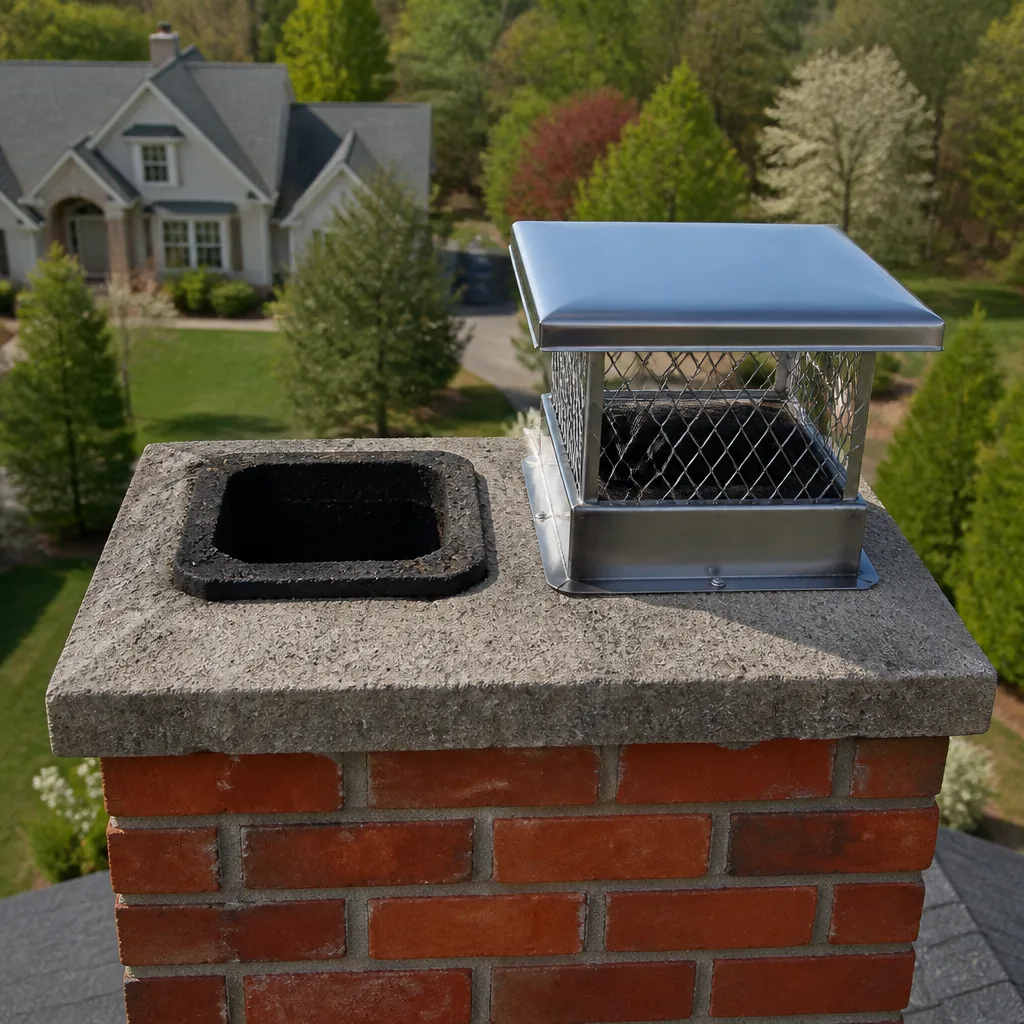
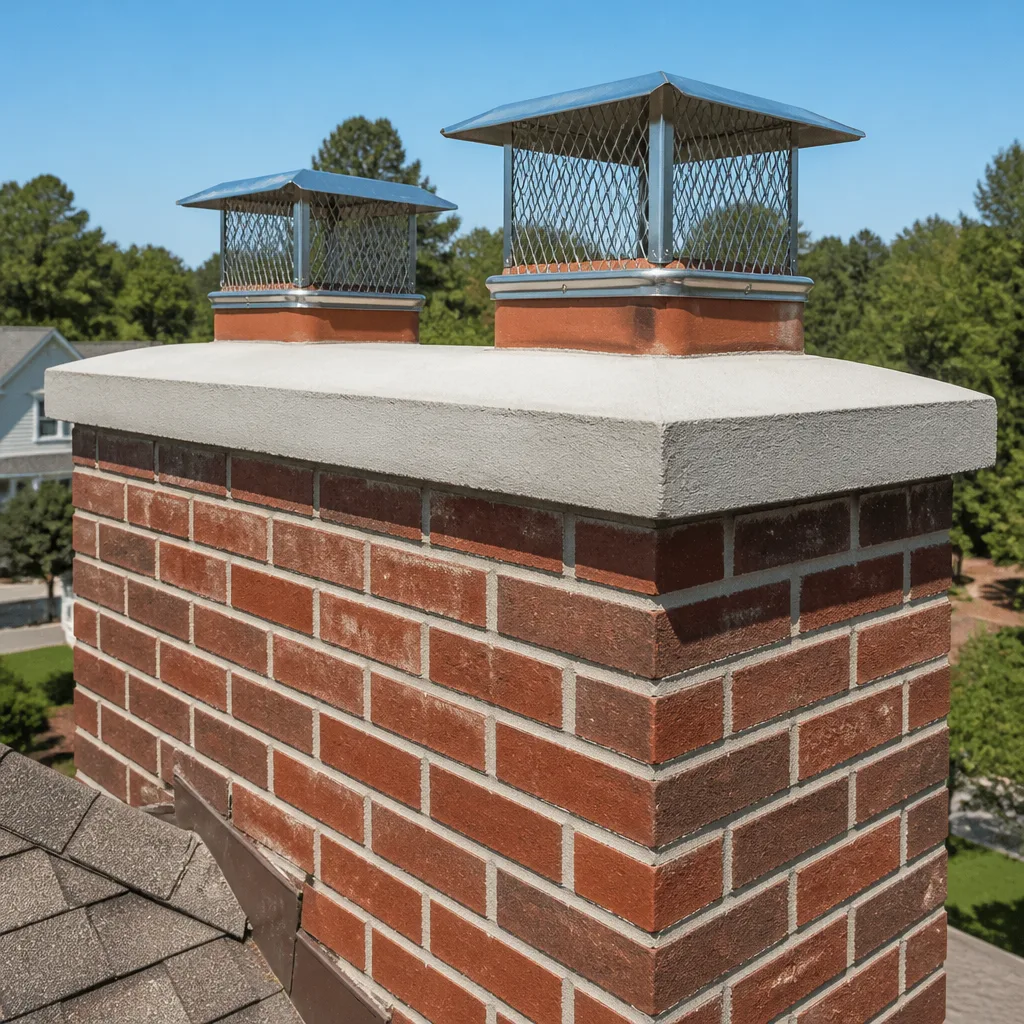
Spring is also when your chimney cap earns its keep. Westchase gets heavy spring and summer rain, and a cap that’s cracked, loose, or missing lets water straight into the flue. That water mixes with leftover creosote and starts working on the mortar. A proper cap, like the Gelco and Famco models we install, sheds rain and keeps birds and debris out of the flue. If your cap is damaged, spring is the time to fix it, before the wet season does its work.
A spring checklist for a Westchase chimney looks like this:
- Sweep the flue to remove fresh creosote before it hardens into glaze.
- Inspect the cap and crown for cracks, rust, or loose fittings.
- Check the firebox and damper for damage from the burn season.
- Look for signs of moisture intrusion around the chimney at the roofline.
- Note any interior staining or odor that developed over the winter.
If any of that turns up something structural, spring gives you the whole off-season to plan and complete the repair rather than rushing it in the fall. For a full chimney sweep and assessment, spring is the calmest time to book.
Summer: How Heat and Humidity Work on Your Chimney
Summer is the season your chimney is most vulnerable and least watched. Houston’s heat and humidity put continuous stress on a masonry chimney, and because there’s no fire in the hearth, nobody’s paying attention to it. This is the window where small problems become expensive ones.
Here’s what’s happening during those idle months. Masonry is porous. Mortar joints absorb moisture from humid air and from rain driven against the chimney, then release it slowly. Every cycle of absorption and drying puts stress on the joints, and over a season you can get crumbling mortar, spalling brick, and the white powdery staining known as efflorescence, which is a sign that water is moving through the masonry. A masonry chimney that was sound in spring can show visible joint erosion by fall if the cap, crown, or flashing is compromised.
The flue liner takes a beating too. A clay tile liner that developed a hairline crack over the winter will have that crack widened by summer moisture and thermal movement. A metal liner can corrode where moisture sits against it. None of this announces itself. You won’t smell it from the living room and you won’t see it from the ground. That’s why a summer inspection, or at minimum a close look from the roof and a sweep’s-eye view of the flue, matters more here than in a dry climate. The chimney cap & crown are the first line of defense against everything summer throws at the system.
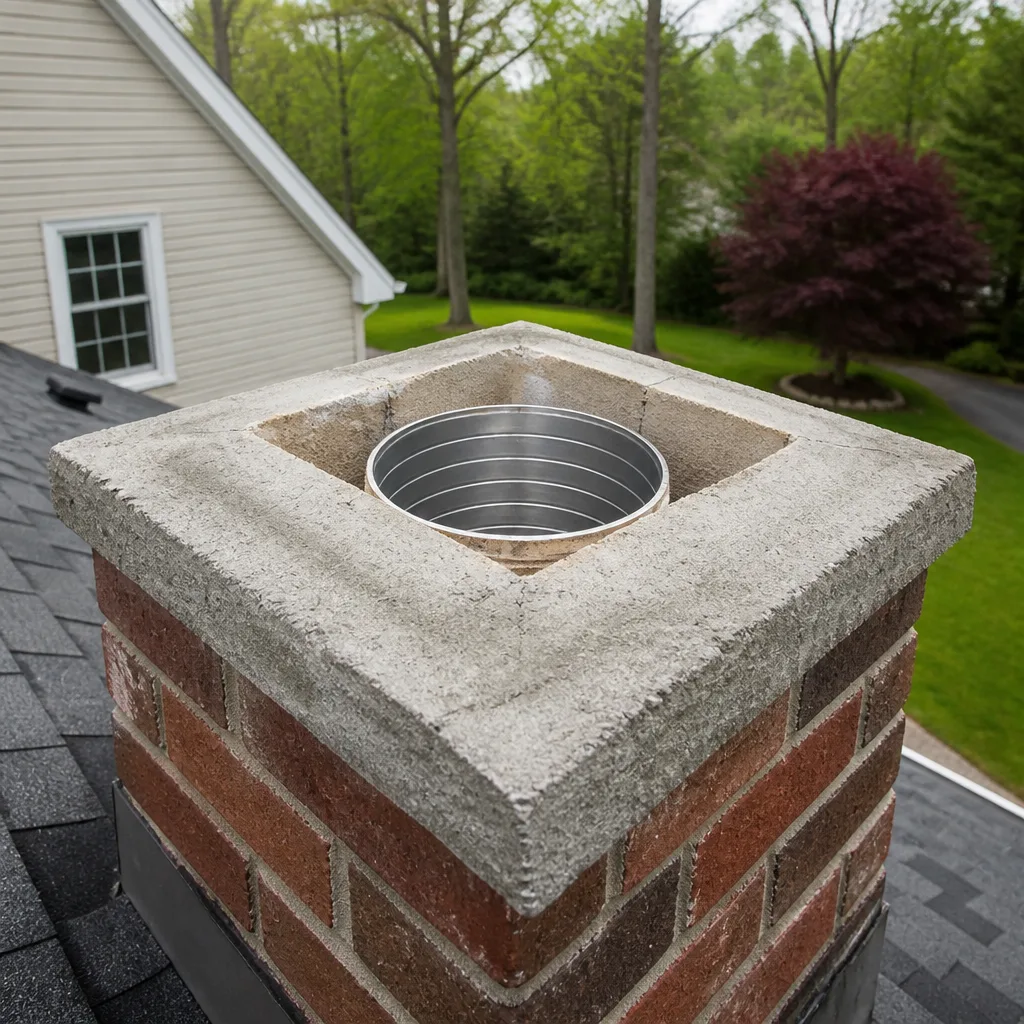
If an inspection turns up a liner that’s cracked but not failing outright, this is where HeatShield liner restoration comes in. It resurfaces a damaged flue from the inside, restoring the liner without a full reline, and it’s a capability most local sweeps simply don’t have. It’s also a cost-saving option when a full replacement isn’t warranted. That said, nothing gets recommended without camera evidence you can see for yourself, and if a liner can safely wait until next season, we’ll tell you so.
Fall: The Pre-Season Inspection Checklist
Fall is the safety-critical window. The first fire of the season is when a hidden problem becomes a real hazard, and the pre-season inspection is your last clean opportunity to catch it. Scheduling before the first burn, not after, is the whole point.
Why does timing matter so much? Because a chimney fire needs two things: creosote buildup and a hot enough fire to ignite it. Summer has had months to harden the creosote left from last season. The first fire of fall, often built hot and celebratory, is exactly the condition that can light it off. A blocked or partially blocked flue, whether from a bird’s nest, a collapsed liner section, or debris, sends carbon monoxide back into the house instead of up and out. Neither of those scenarios is one you want to discover mid-fire.
A fall pre-season checklist covers:
- Full sweep of the flue to clear hardened creosote before the first burn.
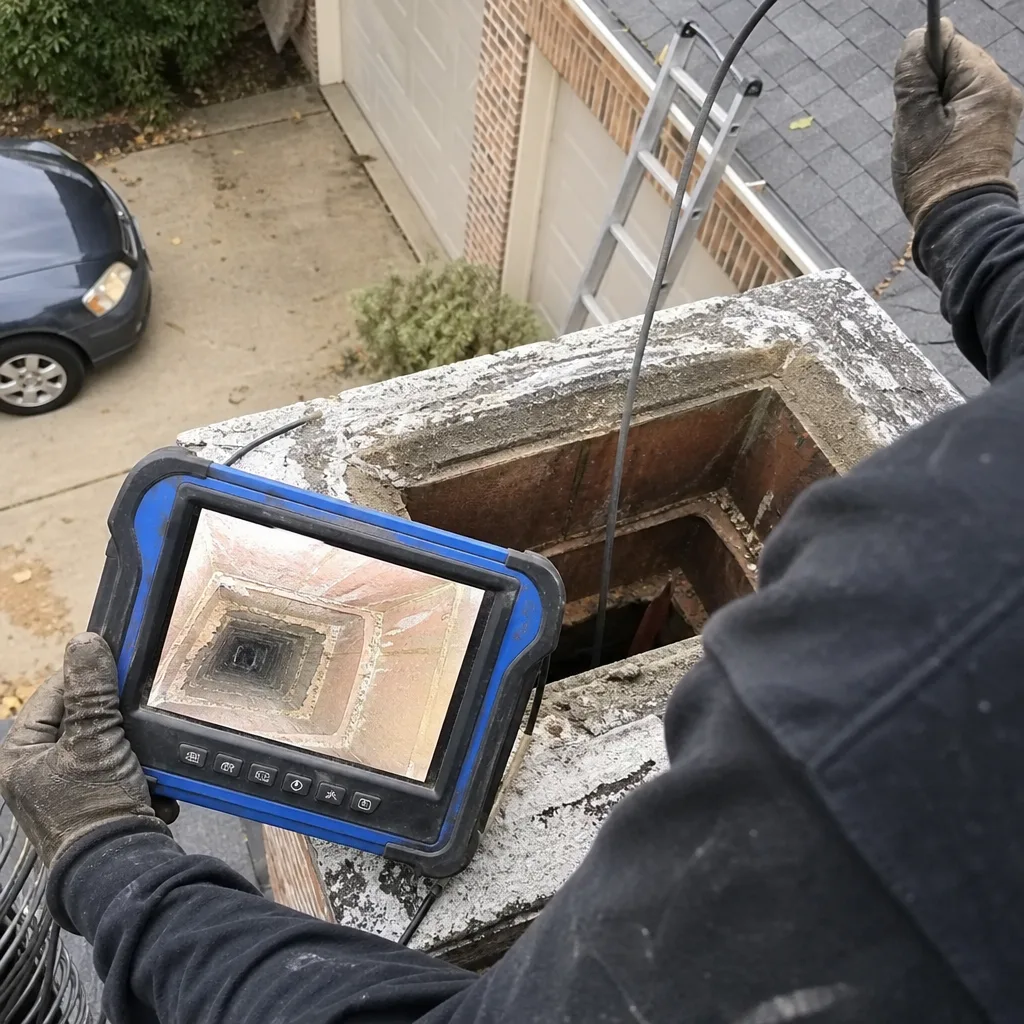
- Camera inspection of the liner to confirm it’s intact end to end.
- Check the damper opens and closes freely and seats properly.
- Confirm the cap is secure and the crown is watertight.
- Look at the firebox for cracked brick or deteriorated mortar.
- Test smoke draw with a small fire to confirm the flue is pulling.
We inspect what we sweep, which means the cleaning and the assessment happen together rather than as separate visits. From the firebox and damper up through the flue, liner, crown, and cap, a single appointment covers the whole system. That’s what full-system chimney care means in practice, and it’s the difference between a sweep that cleans and a specialist that actually checks the chimney. If the firebox itself needs work, that’s a fireplace repair job we can handle in the same visit rather than sending you to another contractor.
Winter: Burn Practices That Keep Creosote Down
Westchase winters are mild and the fireplace season is intermittent, which creates its own creosote pattern. A chimney that runs hot and steady for months builds creosote in one way. A chimney that gets occasional, cool, smoldering fires builds it in another, and the intermittent pattern is often worse for buildup per fire.
Creosote forms when smoke cools before it exits the flue. Cool, smoldering fires produce more smoke and more unburned material, which condenses on the flue walls. In our mild climate, homeowners often build a small fire for ambiance and let it smolder rather than burn hot and clean. That’s the pattern that coats a flue fastest. The fix is simple: burn smaller, hotter fires with well-seasoned wood rather than large, slow, smoldering ones.
Useful winter burn practices for a Westchase fireplace:
- Burn dry, seasoned wood; wet wood produces more smoke and more creosote.
- Build hot fires rather than long smoldering ones, especially on cool evenings.
- Keep the damper fully open while the fire is burning and until the coals are out.
- Don’t overload the firebox; a controlled fire draws better than a packed one.
- Watch for smoke backing into the room, which signals a draw or blockage problem.
- Never burn paper, cardboard, or trash, which produce excess smoke and floating embers.
If you notice a strong smoky smell, a draft that won’t pull, or soot staining at the top of the firebox, stop burning and have it looked at. Those are signs the flue needs attention before the next fire, not after. And if a door fails or a problem surfaces on a Saturday, we’re closed that day; call and we’ll book you into the next opening, Sunday through Friday.
Gas Fireplaces: A Different Seasonal Pattern
If your Westchase home has a gas fireplace, the seasonal rhythm changes entirely. There’s no creosote to harden, no flue swept of soot, and none of the wood-burn maintenance calendar. But that doesn’t mean the chimney goes maintenance-free, and it’s a mistake to assume it does.
A gas fireplace has different failure modes, and they’re tied to different seasonal conditions. The venting system, whether a direct vent or a flue, can be blocked by bird nests or debris, and a blocked gas vent is a carbon monoxide risk rather than a creosote-fire risk, which makes annual inspection just as important, just different in focus. The burner, logs, and glass take on soot and dust that can affect performance. In a humid climate like Houston’s, the metal components of a gas fireplace are exposed to moisture during the off-season, and a vent that draws poorly in summer can pull humid air and condensation into places it shouldn’t be.
Homeowners often assume a gas fireplace needs no attention because there’s nothing to sweep. In our experience, gas fireplaces that haven’t been checked in years are as likely to turn up a problem as wood-burning ones, just a different kind. A gas inspection should confirm the vent is clear, the burner and controls are sound, and the termination cap is intact and unobstructed. The timing still matters: inspect before the season when you’ll actually use it, so any issue is caught while there’s time to fix it.
Whether you burn wood or gas, the same principle applies. The chimney is a system, and the off-season is when it needs eyes on it. That’s the core of what we do as a chimney specialist rather than a generalist: full-system chimney care from firebox to chimney cap, with the diagnostic capability to tell a liner problem from a crown problem and explain both plainly.
Building a Westchase Chimney Calendar
The clearest way to think about seasonal care is a simple four-season calendar. This is the schedule we recommend to Westchase homeowners, and it’s built around what the local climate actually does to a chimney rather than the cold-climate logic most maintenance advice assumes.
- Spring (after the last fire): sweep to clear fresh creosote before it hardens, check the cap and crown for winter damage, note any moisture intrusion.
- Summer (idle months): monitor mortar and liner condition, address moisture problems while there’s time to plan repairs, schedule HeatShield restoration if the liner needs resurfacing but not replacement.
- Fall (before the first fire): full pre-season inspection and sweep, confirm liner integrity with a camera, verify the damper and cap, test draw.
- Winter (burn season): burn dry wood in hot fires, watch for draw or smoke problems, stop burning and get an inspection if anything seems off.
On a masonry chimney, the warm-season damage is often invisible from inside. That’s why we inspect with a camera and give you the photo report to see for yourself. It’s also why we’re comfortable telling you when work can safely wait, especially when it’s not urgent long-term work rather than a safety issue. There’s no value in recommending thousands of dollars of masonry work you have no way to verify.
Warning Signs by Season
Different seasons surface different symptoms. Knowing which signs belong to which season helps you decide when to call and how urgently it matters.
- Spring: a cap that looks loose or cracked after winter storms, staining around the chimney at the roofline, creosote that’s hardened into a glossy glaze on the flue walls.
- Summer: white efflorescence staining on exterior brick, crumbling mortar joints, musty smells from the fireplace, visible cracks in the crown.
- Fall: smoke backing into the room, poor draft on the first fire, a damper that sticks, soot staining at the top of the firebox.
- Winter: a strong smoky smell that lingers, a fire that won’t draw, creosote flaking or falling into the firebox, any of which is a reason to stop burning and call.
Any sign that points to a flue obstruction or a liner problem deserves prompt attention because it’s a carbon monoxide concern, not just a fire risk. Signs that point to mortar erosion or a worn cap are usually less urgent but shouldn’t be ignored through the whole off-season. When you’re not sure which category a symptom falls into, a camera inspection settles it quickly. That’s the purpose of an inspection: to see what’s actually happening rather than guess from the outside.
Common Mistakes to Avoid
- Waiting until after the first fire to schedule the inspection. The pre-season inspection is the safety-critical one because it catches a problem before you rely on the chimney. Scheduling it after you’ve already burned puts the risk first and the check second.
- Skipping the spring sweep because the season is over. Fresh creosote hardens over the summer into a glaze that’s far harder to remove. A spring sweep is easier on the flue and leaves it cleaner through the humid months than waiting until fall.
- Treating a gas fireplace as maintenance-free. There’s no creosote, but the vent can still block and the components still need inspection. A blocked gas vent is a carbon monoxide hazard, and it can happen without any warning sign you’d notice.
- Ignoring summer moisture because the chimney isn’t in use. The humid idle months are when mortar joints erode and liners degrade. A compromised cap or crown lets water in all summer, and nobody’s looking because there’s no fire in the hearth.
- Burning cool, smoldering fires for ambiance. In Westchase’s mild, intermittent-use winter, small smoldering fires coat the flue faster than hot ones. Burn dry wood in hotter, smaller fires to keep creosote down.
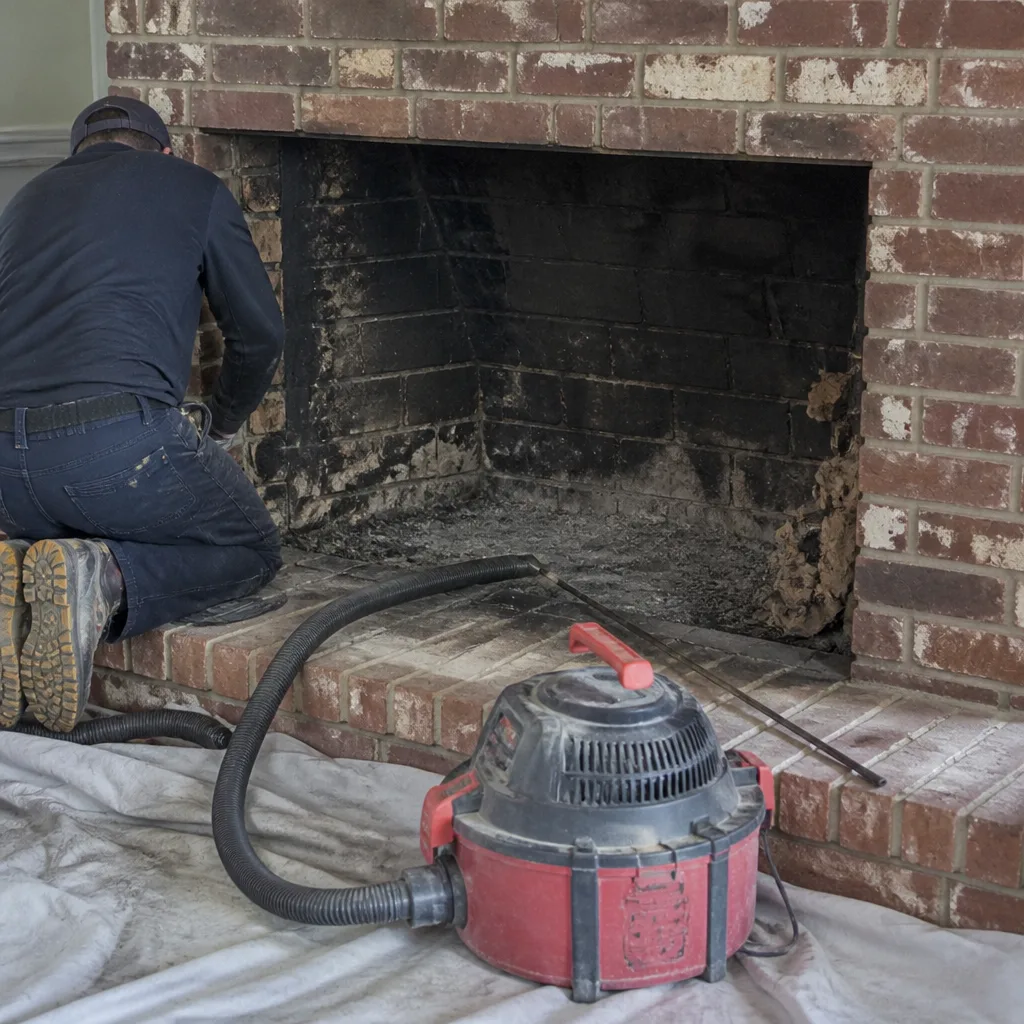
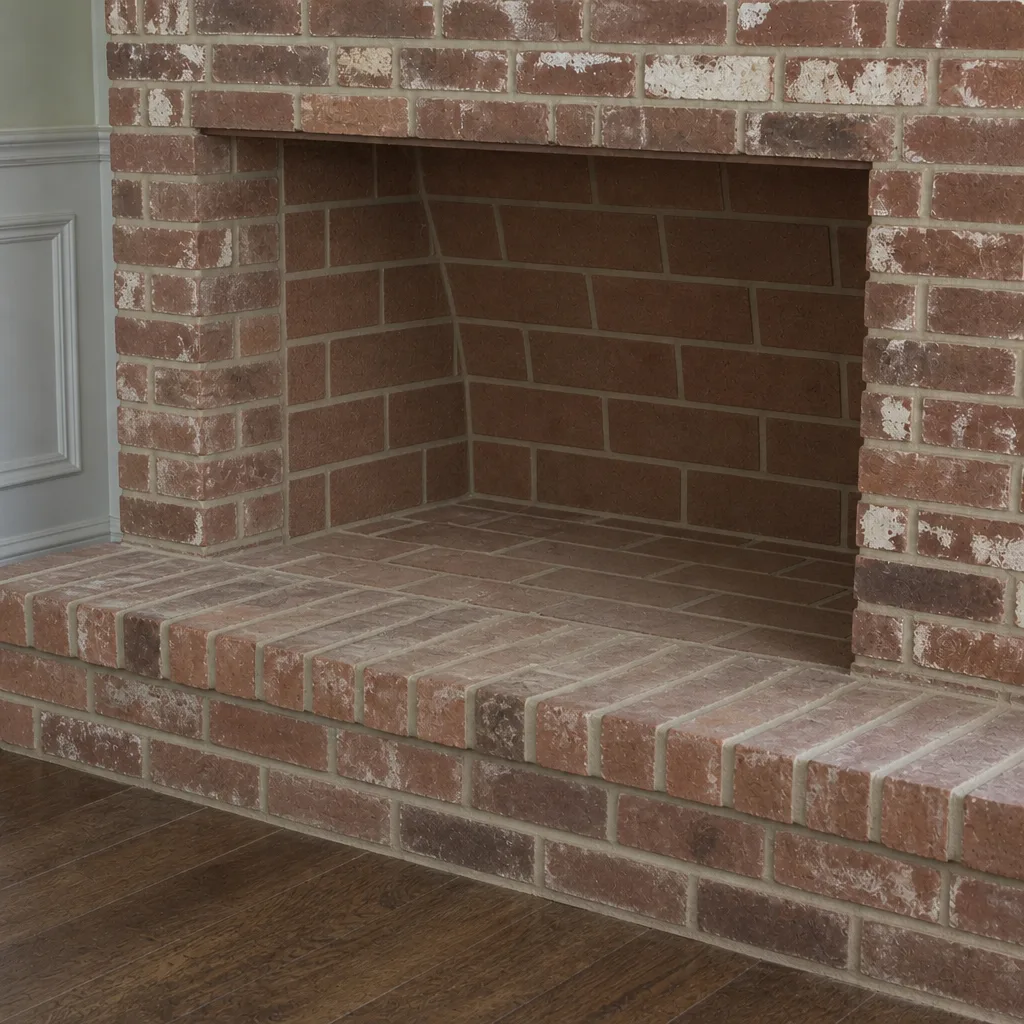
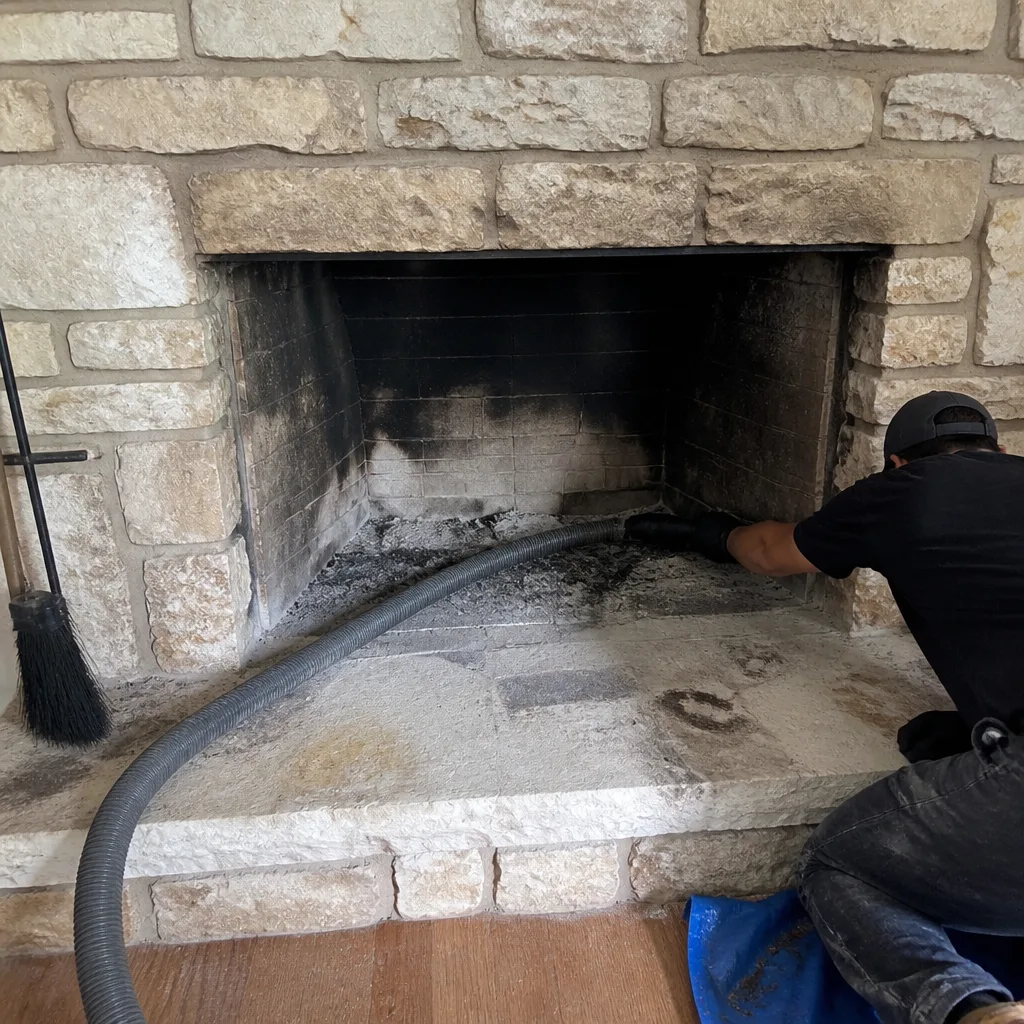
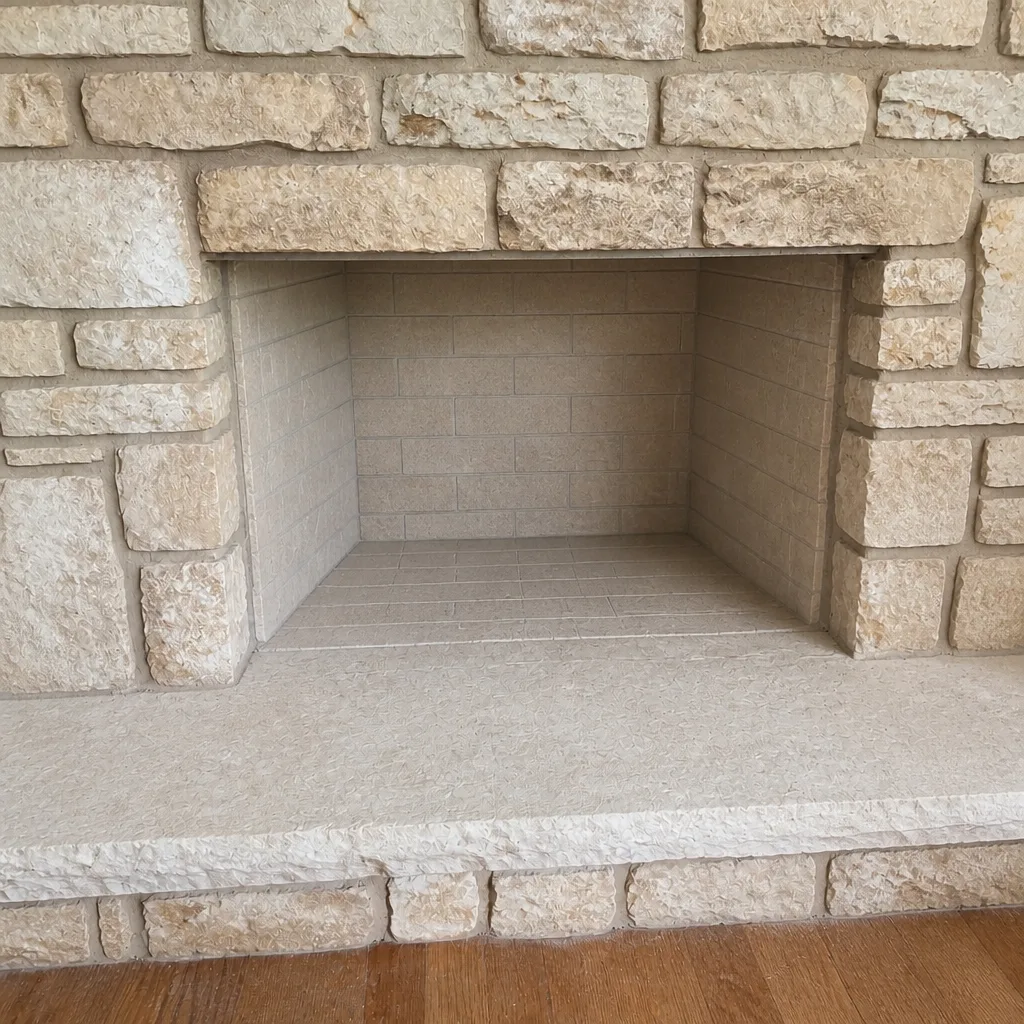
- Assuming a sweep means the chimney was inspected. A cleaning and an inspection are different things. If you’ve had a chimney company out and got a cleaning without a real inspection or straight answers, you’ve been left with unknowns. We inspect what we sweep, with the camera report to show it.
- Letting a generalist handle a structural problem. A chimney specialist diagnoses the whole system from firebox to chimney cap. A generalist who checks chimneys on the side won’t have the liner restoration capability or the product knowledge to tell a repairable liner from one that needs replacement.
See the difference
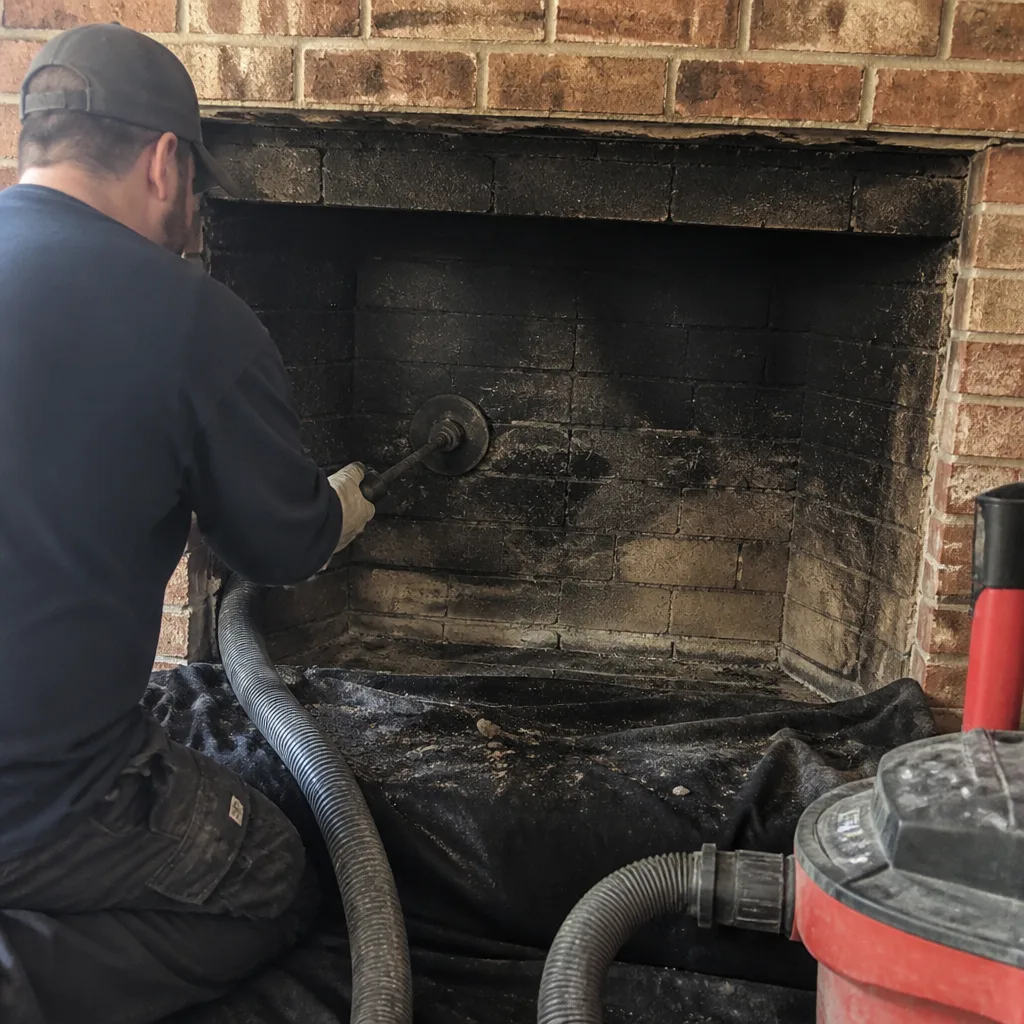 Before
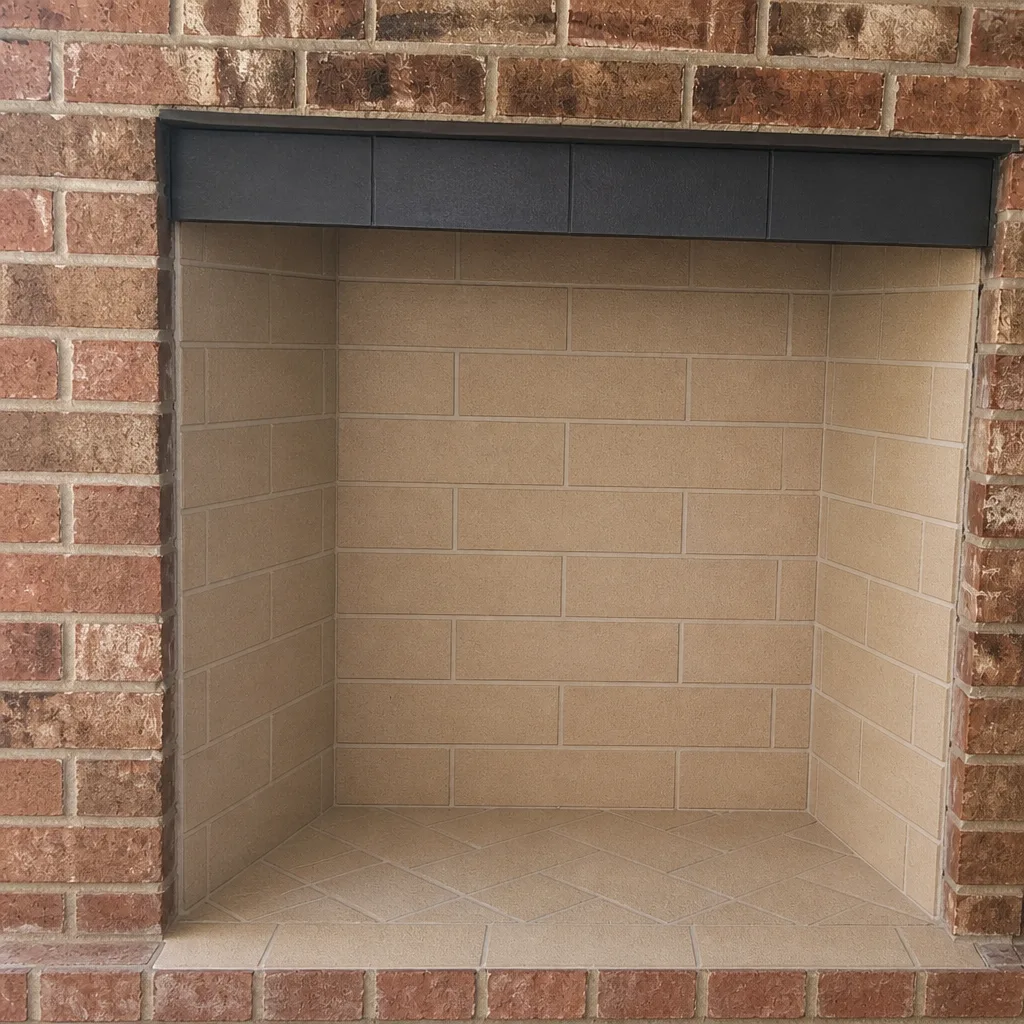 After
 Before
 After
 Before
 After
When to Call a Professional
Most seasonal care you can manage yourself: scheduling the right appointment, burning dry wood, watching for obvious signs. But some situations call for a specialist rather than a look from the ground. Call if you see efflorescence or crumbling mortar on the exterior, if smoke backs into the room on a fire, if soot staining appears at the top of the firebox, if the damper won’t move freely, or if a gas fireplace’s vent might be obstructed. Any sign of a blocked or damaged liner is a carbon monoxide concern and deserves prompt attention, and that’s the work a chimney specialist should do. We can apply HeatShield restoration, install DuraFlex flexible liner systems for complex flue configurations, and use Gelco and Famco caps built for longevity. Chimney Sweep Westchase offers free estimates in Westchase: call (844) 443-3785.
Frequently Asked Questions
Once a year for both, timed to the season when you’ll actually use the fireplace. In Westchase, that means a pre-season inspection in fall before the first fire, with a sweep in spring or fall depending on how much you burned. A gas fireplace still needs an annual inspection even though there’s no creosote. Call (844) 443-3785 to book a sweep and inspection together; estimates are free.
Skipping it lets creosote harden and moisture erode the liner and mortar over the off-season, and a hidden blockage or crack becomes a carbon monoxide or chimney fire risk once you start burning again. The damage builds quietly during the months the fireplace is unused. Call (844) 443-3785 for a camera inspection before the next fire; estimates are free.
Many damaged liners can be restored rather than replaced, sometimes with HeatShield resurfacing when a full reline isn’t necessary. Whether yours qualifies depends on what a camera inspection actually shows, which is why we don’t recommend a liner job without photo evidence you can see for yourself. Call (844) 443-3785 for an inspection and a written estimate.
Yes, and it matters more because intermittent use builds creosote with every fire that hardens over the summer. Fresh creosote swept in spring is far easier to remove than glaze that’s baked on by fall. Call (844) 443-3785 to schedule a spring sweep; estimates are free.
Yes, even though there’s no creosote to sweep. A gas fireplace needs its vent checked for blockages, its burner and controls inspected, and its termination cap confirmed intact, because a blocked gas vent is a carbon monoxide risk. In our humid climate, moisture and corrosion are the seasonal concerns rather than creosote. Call (844) 443-3785 for a gas fireplace inspection.
A pre-season inspection covers the whole chimney system: the firebox and damper, the flue and liner via camera, the crown, and the cap. It’s aimed at catching a problem before the first fire rather than after. We inspect what we sweep, so the cleaning and assessment happen in one visit. Call (844) 443-3785 for a free estimate.
The Bottom Line
The standard chimney calendar was built for cold climates. Westchase runs on a different one, where the humid off-season is the real damage window and the pre-season inspection is the appointment that matters most. Sweep in spring while creosote is soft, watch for moisture and liner wear through summer, inspect thoroughly in fall before the first fire, and burn dry wood in hot fires through winter. A clean chimney isn’t just tidy; it’s the difference between a fire in your hearth and one in your walls. The homeowners who understand that never skip the pre-season inspection again. We’re a full-system chimney specialist, from firebox to chimney cap, and one call covers the whole thing.
Call (844) 443-3785 for a free estimate. We answer 24/7. Fast dispatch from 7am to 7pm, Sunday through Friday. We’re closed on Saturday. Whether you need a seasonal sweep, a camera inspection, or liner restoration, Chimney Sweep Westchase handles it as one continuous job rather than handing pieces to different contractors.
Written by the team at Chimney Sweep Westchase.