
Last updated November 24, 2026
 Sweep & inspection
 Caps & crowns
 Flue relining
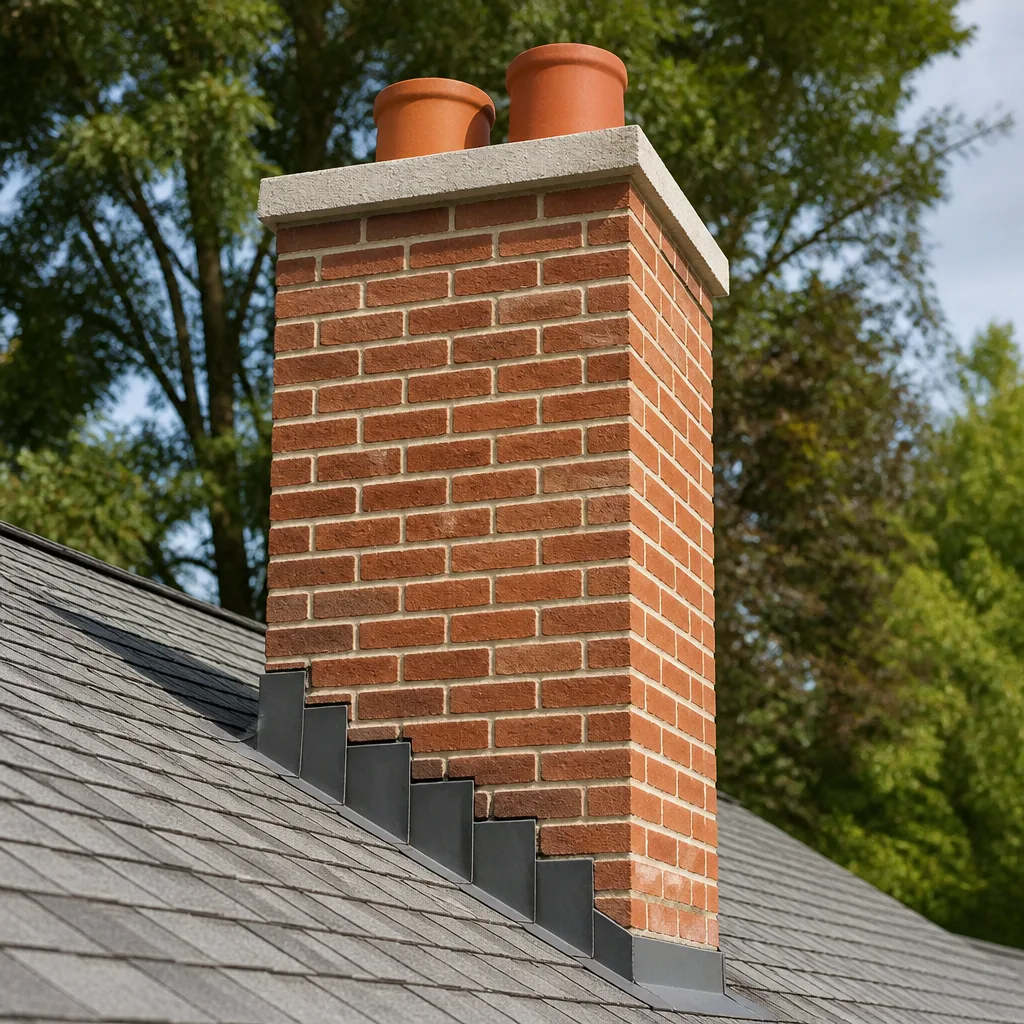 Masonry repair
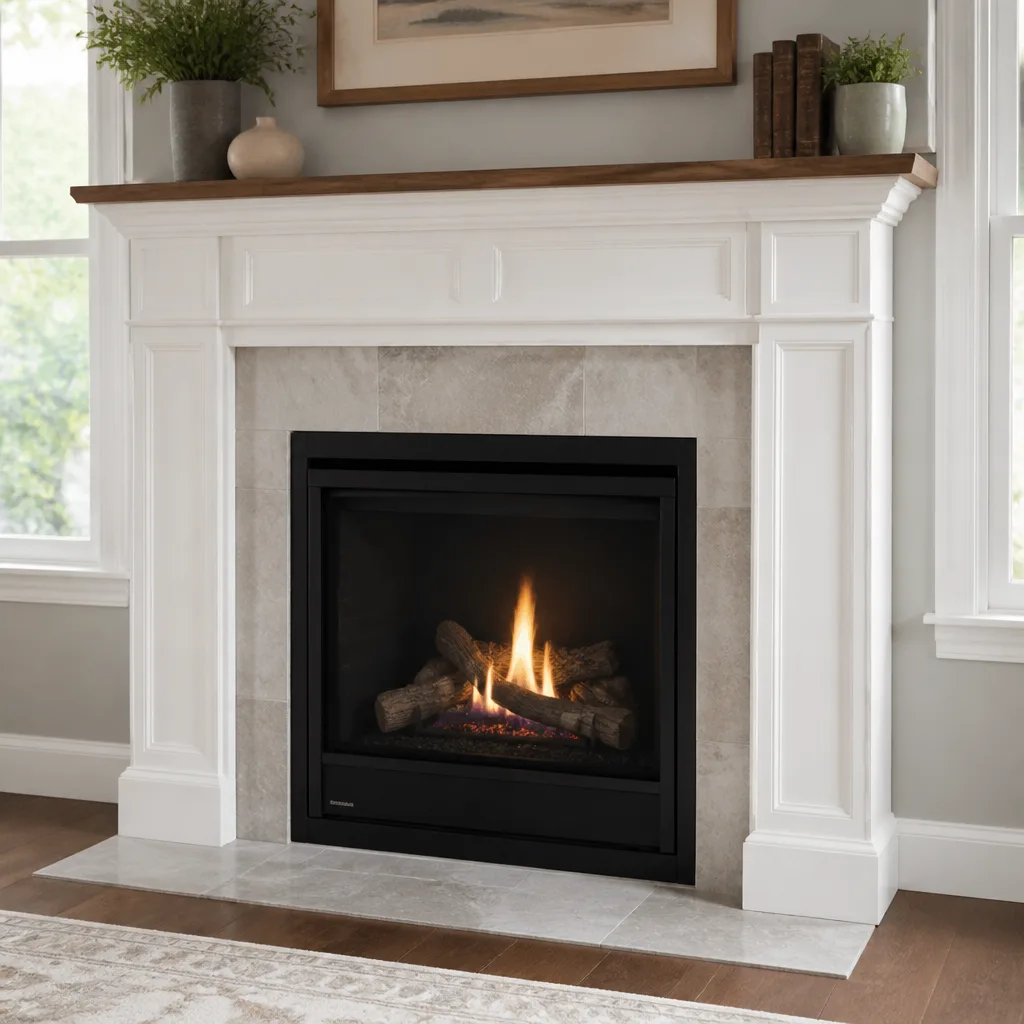 Gas fireplace service
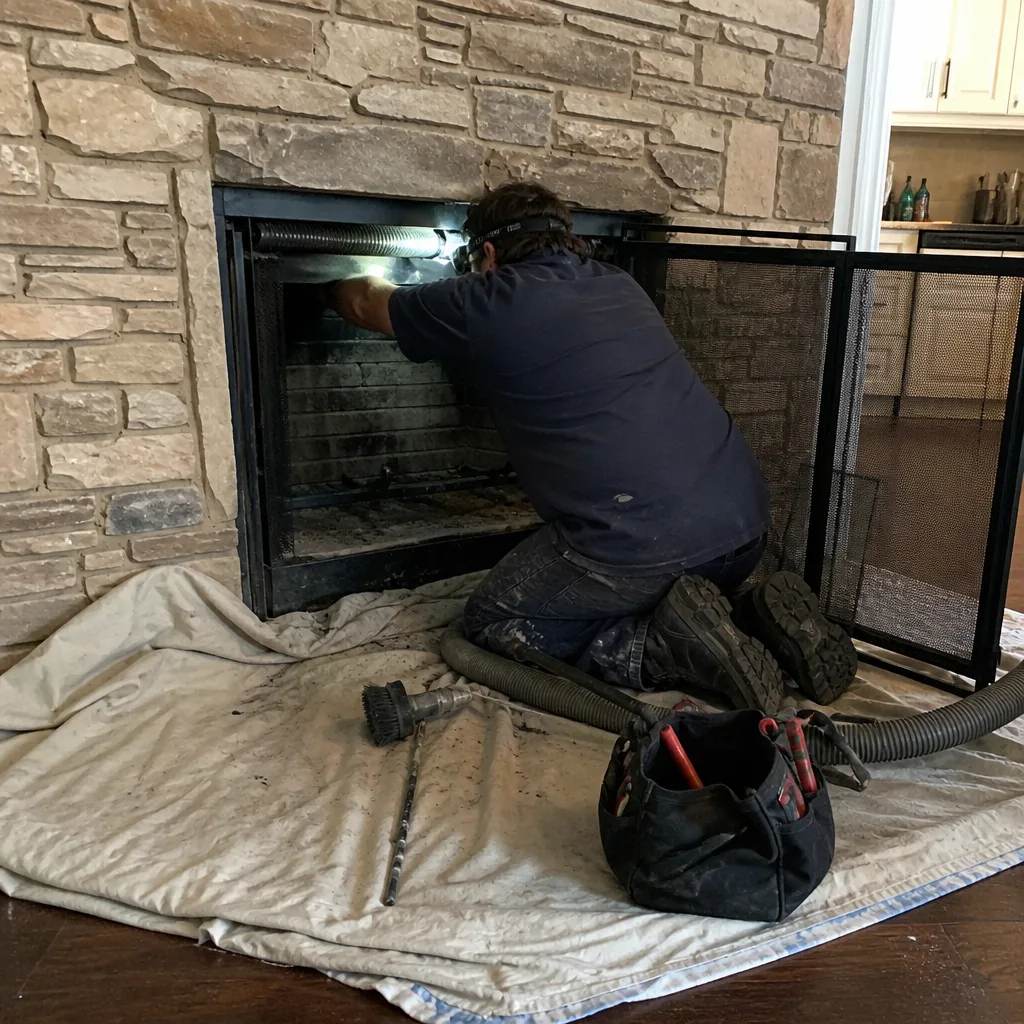
Level 1 sweep and inspection to the NFPA 211 annual standard - flue, crown, cap, and flashing checked and photographed
Chimney sweep logs do not sweep chimneys. They loosen some creosote - which then falls where a brush and vacuum still have to collect it.
DIY vs Professional Chimney Cleaning: The Westchase Homeowner’s Decision Guide
Most homeowners who burn wood in Westchase believe a chimney is either clean or dirty, and that cleaning it is the whole job. That belief is the problem. A brush down the flue removes surface soot, which feels like progress, but the failures that start house fires don’t live in the soot. They live in the liner, the smoke chamber, the damper seal, and the crown up top, none of which a homeowner can see from the firebox. Those are the parts that decide whether your fireplace is safe, and those are the parts a hardware-store brush kit never touches. This guide sets out honestly what DIY brushing accomplishes, which creosote stages make it physically pointless, and how to tell the difference between a fireplace that’s maintained and one that only looks that way.
Quick Answer
DIY chimney cleaning can remove light, stage 1 soot from the flue but cannot inspect the liner, assess the crown, evaluate draft, or handle glazed stage 3 creosote, so it covers roughly the cleaning bucket and almost none of the safety checklist. A professional sweep in Westchase cleans and inspects in the same visit, which is the only way to know whether the chimney is actually safe to use. The short version: DIY keeps the firebox tidy between visits; it does not confirm the system is sound.
Styles & brands we work with
- Sweep & inspection
- Caps & crowns
- Flue relining
- Masonry repair
- Gas fireplace service
Table of Contents
- What DIY Brushing Actually Accomplishes
- The Creosote Stages That Decide Whether DIY Works
- The Equipment Gap Nobody Talks About
- The Risk Calculus: Roofline vs. Uninspected Liner
- Where DIY Genuinely Adds Value
- What a Professional Finds That DIY Never Will
- A Westchase Decision Framework: DIY or Call a Specialist?
- Common Mistakes to Avoid
- When to Call a Professional
- Frequently Asked Questions
What DIY Brushing Actually Accomplishes
Start with an honest accounting. A homeowner with a correctly sized poly brush, a set of rods, drop cloths, and a shop vac can do one real thing: knock loose, dry soot off the flue walls. In a chimney burning seasoned hardwood with good draft, that soot is usually stage 1 creosote, a fluffy, flaky deposit that comes off without much resistance. Removing it is worthwhile. It reduces the fuel load available to a chimney fire and keeps the flue from building a thicker layer over time.
That’s the full extent of the win. What DIY brushing does not do:
- Look at the liner. A brush passes through a cracked clay tile or a failing stainless seam without resisting, because a crack doesn’t block the brush. The brush goes past; the crack stays.
- Check the smoke chamber. The sloped transition above the damper is where creosote collects in irregular pockets a flue brush never reaches. It’s also where the masonry is thinnest and most prone to spalling.
- Evaluate the damper seal. A damper that closes loosely leaks heat up the flue and lets cold air down when the fireplace is off. You can’t feel that from the hearth.
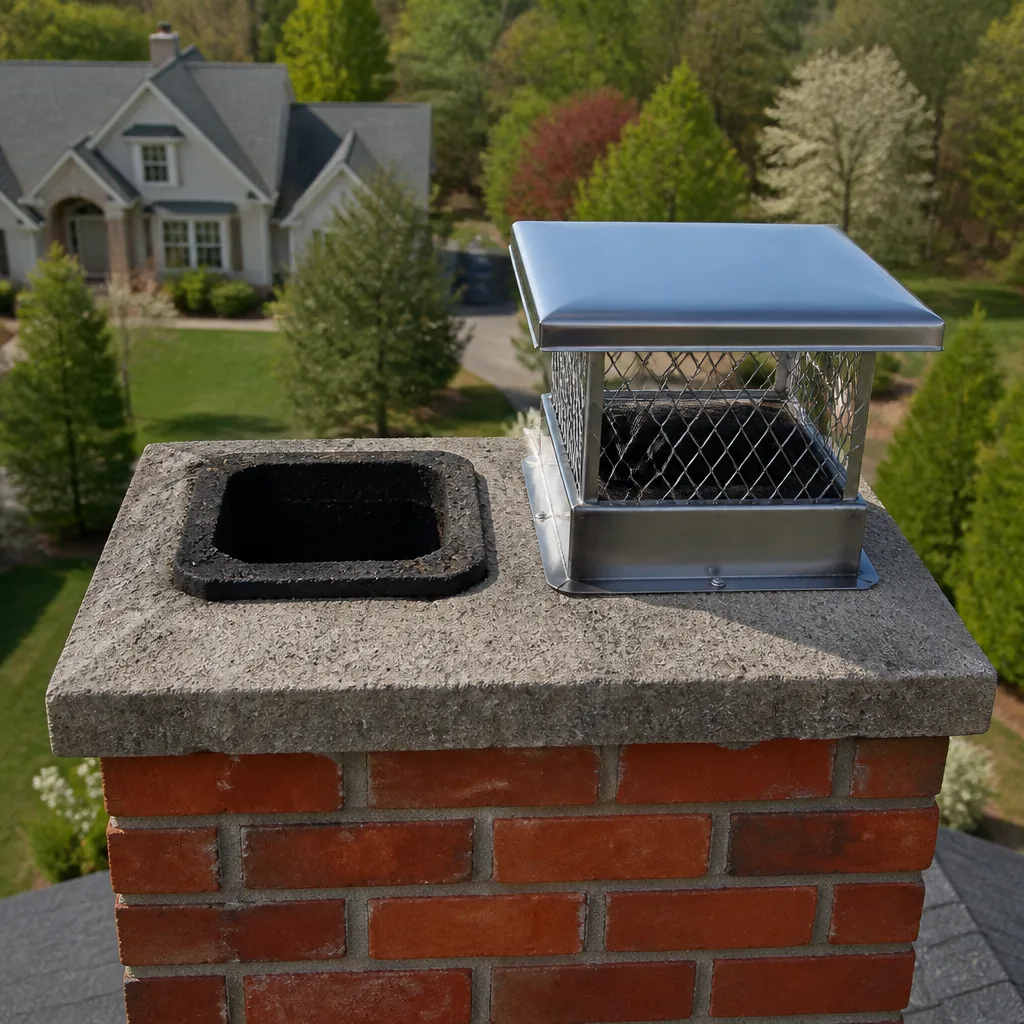
- Inspect the crown and cap. Water entry at the crown is the single most common cause of long-term masonry failure in this region, and it’s invisible from the ground.
- Assess draft. Draft performance depends on flue height, flue size relative to the firebox opening, and the cap’s flow characteristics. None of that is measurable by pushing a brush.
For a Westchase homeowner, the useful way to think about DIY brushing is this: it’s a maintenance action on one component of the chimney, not a service performed on the chimney. It’s the equivalent of vacuuming a car and calling it roadworthy.
The Creosote Stages That Decide Whether DIY Works
Creosote isn’t a single substance. It forms in three stages, and the stage determines whether a brush will work at all. This is the technical question most homeowners never ask before buying a kit, and it’s the one that matters most.
Stage 1 creosote
Fluffy, dark, flaky, and roughly the consistency of coffee grounds. It forms immediately after combustion and builds up fairly evenly on the flue wall. A correctly sized brush removes most stage 1 deposits. If a chimney is swept regularly and burned with dry, well-seasoned wood, it will spend its life mostly in stage 1. This is the scenario where DIY brushing is genuine maintenance, not a false promise.
Stage 2 creosote
Harder, denser, and often shiny at the surface. Stage 2 forms when the flue runs cool for extended periods, which happens with damp wood, smoldering fires, oversized fireboxes run at low output, or a flue that’s too large for the appliance. A brush will scratch at stage 2, but it doesn’t remove it cleanly. It smears. It leaves patches. Stage 2 is where DIY brushing transitions from “does the job” to “moves some of the problem around.” A professional uses a combination of rotary tools and the right brush geometry to remove stage 2 completely.
Stage 3 creosote
Glazed, hardened, and often bonded to the flue surface as a fuel-rich crust. Stage 3 is the creosote that drives chimney fires because it burns hot and long. A hand brush does essentially nothing to it. A homeowner using a hand brush on stage 3 will spend a long afternoon working hard, conclude the chimney is clean, and be wrong. Removing stage 3 requires rotary cleaning tools, and in severe cases it requires chemical treatment or liner replacement. No kit sold at a hardware store is a real answer to a stage 3 chimney.
The other factor Westchase homeowners should know: this area’s mild winters encourage part-time, intermittent burning, which is exactly the burn pattern that produces stage 2 and stage 3 creosote. A fireplace used heavily for three cold months and then neglected for nine tends to accumulate denser deposits than one burned consistently. That’s a specific local pattern that makes the DIY-only approach riskier here than in a colder climate where fires run most of the winter.
The Equipment Gap Nobody Talks About
The gap between a hardware-store cleaning kit and a professional sweep isn’t marketing. It’s a real gap in what the tools can do, and it shows up on the first inspection a professional performs after a DIY clean.
What a homeowner kit can do
- Poly or wire brush heads sized to the flue, on flexible rods
- A drop cloth for hearth protection
- A shop vac with a paper filter
- A flashlight and a mirror for limited visibility into the firebox
What a professional sweep brings
- A close-circuit camera system. The camera goes up the flue and returns a real image of the liner, joints, and smoke chamber. It’s how we confirm the flue is intact and how we document what we find.
- HEPA containment. A shop vac with a paper filter blows fine soot back into the room. A HEPA unit with a sealed hose captures it. This is the difference between a swept chimney and a swept living room.
- Full brush sets with rotary capability. Different liner materials and different deposit stages require different brush geometry and, when needed, rotary tools that a hand kit can’t replicate.
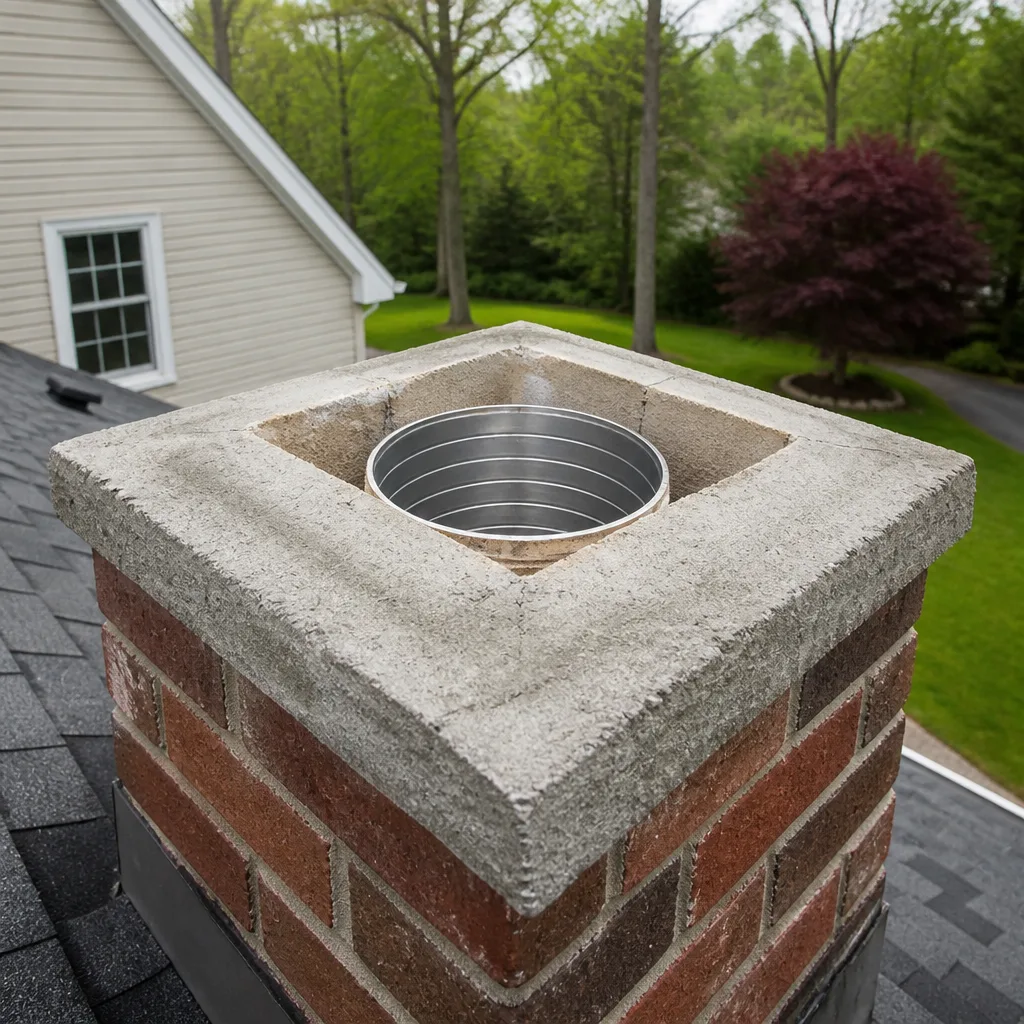
- Access to professional-grade restoration materials. If a liner needs restoration rather than replacement, there is no hardware-store equivalent. We’re authorized to apply HeatShield chimney resurfacing, which is an EPA-recognized restoration system not available to non-trade buyers, and we install DuraFlex flexible liner systems for flues where a rigid liner won’t fit.
- A photo report. You see what we saw. This is the piece most homeowners say they never got from a previous sweep.
We’d rather say this plainly than dance around it: the equipment gap alone makes DIY cleaning a partial job. The gap in what can be seen and documented makes it an incomplete safety check.
The Risk Calculus: Roofline vs. Uninspected Liner
Two risks get weighed against each other when a homeowner decides between DIY and professional. Homeowners almost always weigh the roofline. They almost never weigh the liner. That’s backwards.
Roofline risk
Getting on a roof to service a chimney from above adds fall risk, which is real and worth respecting. Roofing materials vary in grip, pitches vary, and a chimney top is often far enough from the ridge that the access path itself is the hazard. For a single-story, low-pitch roof accessed from a lower section, an experienced DIYer can manage. For anything with a steeper pitch, a metal roof, or a chimney near the ridge, roofline access is a job for someone whose trade includes the fall protection. This risk is acute, immediate, and easy to see, which is why homeowners focus on it.
Uninspected liner risk
A hairline crack in a clay tile liner, a failed seam in a stainless liner, or a gap between the liner and the smoke chamber allows hot gases and embers into the structure of the house. That’s the mechanism by which a clean-looking fireplace becomes a house fire. It is also invisible from the hearth, the flue top, and from a broom handle. Nothing about the burn changes until it does. This risk is chronic, delayed, and completely unseen, which is why homeowners underweight it.
The honest comparison is this: roofline risk is visible and avoidable, liner risk is invisible and accumulates. A homeowner who spends an afternoon brushing the flue has taken on the risk they can see and left the risk they can’t. For a Westchase home with an aging liner, that’s the wrong trade. The liner is where the fire actually gains access to the framing, and it’s the part no brush reaches.
Where DIY Genuinely Adds Value
DIY is not worthless, and this guide is not an argument for zero homeowner involvement. There’s a specific, real role for DIY between professional visits, and getting that role right is how the two approaches work together.
Monthly firebox visual checks
Once a month during the burning season, with the fireplace cold, look inside the firebox and up toward the damper with a flashlight. You’re checking for:
- Fresh creosote buildup on the firebox walls or the damper frame
- Loose or missing mortar in the firebox brickwork
- White staining on the outside of the chimney chase (a sign of water entry)
- A damper that closes and opens smoothly
- Loose or burned-through firebox grate or andirons
Catching any of these early is valuable, and a monthly visual check is the single best DIY habit a Westchase homeowner can build. None of it requires equipment beyond a flashlight.
Judicious staging of the woodpile
Burning dry, well-seasoned wood is a homeowner decision, not a sweep decision. The drier the wood, the less creosote forms. A homeowner who stages firewood properly is doing more to prevent stage 2 and stage 3 creosote than anything a brush can do. Covered storage, a proper drying period, and a moisture meter (an inexpensive one) put the homeowner in charge of the most important variable.
Prompt reporting
If the fire burns poorly, if smoke rolls into the room when you open the glass, or if the fireplace smells of creosote when the HVAC runs, those are signals that should prompt a call. A homeowner who notices and reports these promptly is doing real preventive work, because these are exactly the symptoms that lead to a professional finding a problem while it’s still small.
What DIY should not do is substitute for the annual sweep-and-inspect. The distinction is between maintenance between visits and the visit itself. A monthly flashlight check is the maintenance. The visit is the trained eye on the liner, smoke chamber, and crown.
What a Professional Finds That DIY Never Will
If we had to summarize the difference between a DIY clean and a professional sweep in a single sentence, it’s this: a DIY clean touches the flue, and a professional sweep inspects the whole system from firebox to cap. We inspect what we sweep. Here are the findings that show up in Westchase homes after a homeowner has been cleaning the flue themselves for a season or two:
- Hairline clay tile cracks. Often invisible from the firebox because the crack is on the far side of the flue, or high up. The camera finds these. A brush never touches them.
- A failed stainless liner seam. A seam that has opened from thermal cycling looks and feels like a solid section of liner from every angle a homeowner can reach. It’s a gap the flames see.
- A deteriorating smoke chamber. The sloped transition above the damper is where creosote builds in pockets, where the masonry corrodes fastest, and where the first failures start. It’s also the part of the chimney a brush never reaches.
- A cracked or spalling crown. Water gets into masonry at the top before it gets anywhere else. A failing crown shows up in the form of efflorescence on the exterior chase and eventually as interior water damage. From the ground, the crown can look intact right up to the point it isn’t.
- A damper that closes but doesn’t seal. The damper looks fine, but heat loss, cold drafts, and smoke residue on the firebox face all read like minor quirks. They’re signals of a sealing failure.
- Draft deficiencies from the cap. A cap that was sized for a different flue opening, or one with a restricted flow area, hurts draft without any obvious signs at the hearth.
- Late-stage creosote in the flue’s upper third. The flue cools fastest near the top, so creosote in the top section is often the densest. That top section is hardest to reach from the hearth and hardest to see.
None of that is a knock on the homeowner. It’s a statement about what a brush can see. A brush can’t see at all. A camera can. A trained specialist reading the camera and looking at the crown from the roof can. That’s the difference.
A Westchase Decision Framework: DIY or Call a Specialist?
Use this framework to decide, visit by visit. It’s designed for a homeowner who’s already been burning regularly and wants a clear answer rather than a hedge.
- Has the chimney been swept by a professional within the last year? If not, DIY is a bridge, not a solution. Book a professional sweep and inspection. The chimney sweep visit includes the inspection a homeowner can’t perform.
- Have you had the flue inspected with a camera? If not, a clean flue is a claim without evidence. The camera is what turns “it looks fine” into “we can see the liner and here’s the photo.”
- What does the firebox look like after a season of burning? Thin, even, flaky soot is a sign the burn is running well. Dense, glossy, or crusted deposits mean the chimney is a candidate for professional rotary cleaning, and plain brushing will not remove them.
- How is the draft behaving? Good draft means the fireplace brings air in and pushes smoke up. Smoke rollback, a cold fireplace, or a smell of creosote in the off-season points at a draft or damper problem. That’s a professional call.
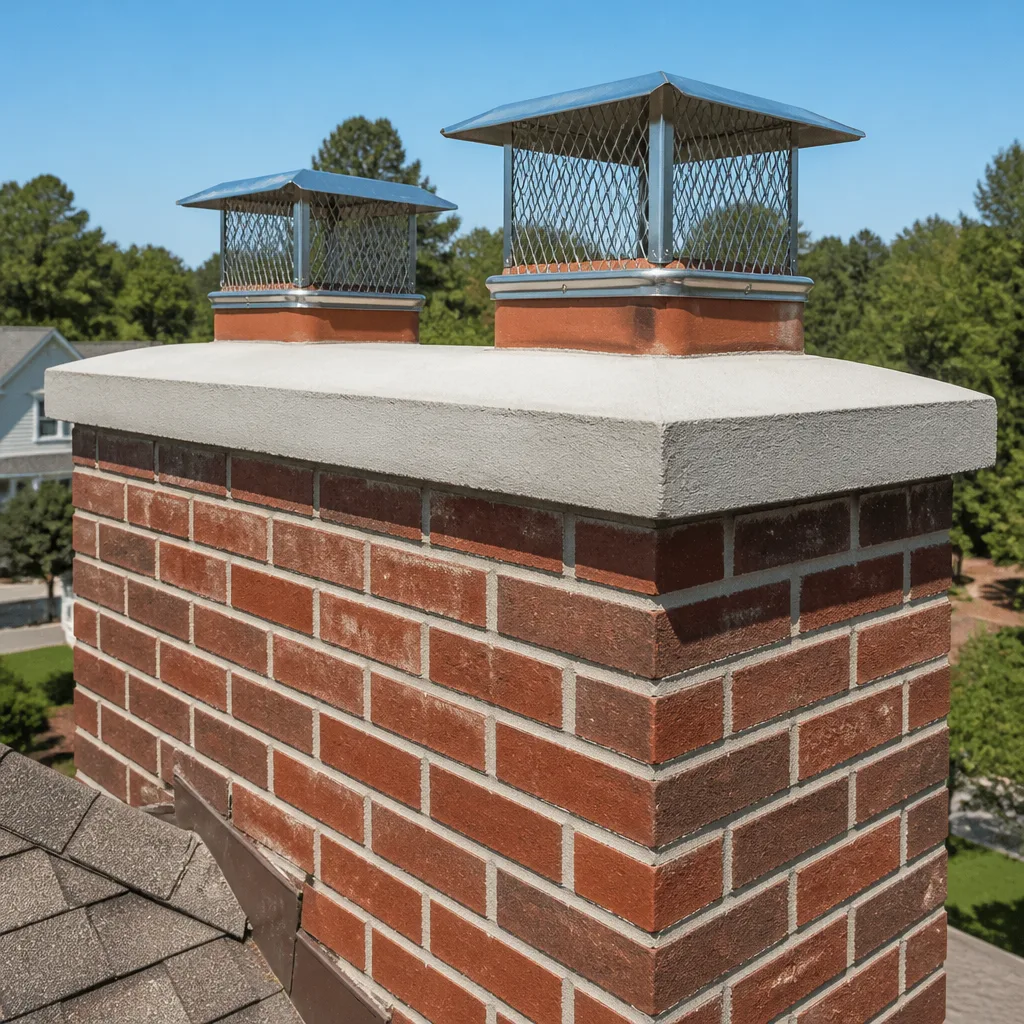
- Is the crown and cap visibly sound? If you can’t see it from the ground with binoculars, it needs a professional inspection. Our chimney cap & crown service exists because that’s where most of the water entry begins.
- Are there any signs of active firebox damage? Loose mortar, cracked brick, a firebox that has lost its refractory panels, or a damper that no longer seals all fall under fireplace repair. Those are not DIY projects.
- Will you be using the fireplace heavily this season? If yes, the annual sweep-and-inspect becomes more urgent, not less. Heavy use accelerates deposit accumulation, especially in a Westchase climate where burning is seasonal.
Run through that list honestly. Most homeowners who’ve been cleaning their own flue will find two or three items on it that point to a professional visit, even if the firebox itself looks fine. That’s not an argument against DIY. It’s a reflection of what the checklist actually covers.
Common Mistakes to Avoid
- Buying a brush that’s the wrong size for the flue. A brush too large binds in the flue and can damage clay tiles. A brush too small misses substantial portions of the flue wall. Both fail quietly, and the homeowner concludes the job was done. Measure the flue before assuming a kit’s brush is correct.
- Cleaning only from the firebox. A brush from below can’t reach the top third of the flue, which is often the most heavily deposited section because it runs coolest. A homeowner who only cleans from the hearth has cleaned the warm half and left the cold half.
- Assuming a clean-looking firebox means a sound chimney. The firebox is a fraction of the system. Beneath and above it sit the damper, smoke chamber, flue, and crown, all invisible from the hearth and all relevant to safety. This is the single most common mistake and the one that leads to real problems.
- Using a shop vac with a paper filter indoors. The exhaust blows fine soot into the room, and the homeowner accepts a haze as normal. It isn’t. Soot redistribution indoors is a sign the containment step is missing entirely.
- Burning damp or green wood, then brushing more often to compensate. More brushing doesn’t fix a wet-wood burn. It just moves more stage 2 creosote around without removing it. The fix is the fuel, not the brush.
- Skipping the crown check because the roofline looks dangerous. Homeowners sometimes skip the roof entirely because it feels like the biggest hazard, and in doing so they miss the crown and the cap, which are where the most common long-term failures originate. Get the crown inspected by someone whose trade includes roof access; don’t just avoid the roof.
- Deferring the annual inspection because the flue was recently brushed. A brush does not inspect. A recent brush has no bearing on whether the liner is intact, the crown is sound, or the smoke chamber is stable. These are separate questions answered by separate tools.
When to Call a Professional
Call a chimney specialist in these situations. First, any chimney that hasn’t been professionally swept and inspected within the last year is due, regardless of how clean the firebox looks from the hearth. Second, any chimney showing glazed or crusted creosote on the firebox walls (stage 2 or stage 3) needs professional rotary cleaning and possibly liner work that DIY brushing cannot address. Third, any firebox with cracked brick, loose mortar, a damper that won’t seal, or refractory panels that have spalled needs an inspection before the next burn. Fourth, any chimney where the crown, cap, or flashing can’t be clearly inspected from the ground needs a roof-level assessment. Fifth, any chimney where the draft has changed, smoke rolls back into the room, or the off-season smell of creosote is noticeable needs a professional evaluation of the flue and smoke chamber.
Chimney Sweep Westchase offers free estimates in Westchase. Call (844) 443-3785 and we’ll set up a sweep-and-inspect for the whole system, firebox to cap, with a photo report you can see for yourself. We inspect what we sweep, and we’ll tell you plainly what can safely wait and what can’t.
Frequently Asked Questions
You can clean stage 1 soot off the flue yourself with a correctly sized brush, but you can’t inspect the liner, smoke chamber, crown, or damper without a camera and roof access, so DIY is a maintenance task rather than a safety check. A professional sweep in Westchase cleans and inspects in the same visit, which is what turns a clean chimney into a confirmed-safe one. For a chimney you use regularly, the annual sweep should come from a specialist; the monthly firebox check is yours to do.
The price for a chimney sweep in Westchase is set per job by a written estimate, and the estimate itself is free. That’s the honest answer, because a sweep on a straightforward flue and a sweep that turns into a liner restoration are not the same job and shouldn’t be quoted the same. Call (844) 443-3785 for a free estimate.
A sweep cleans the flue of soot and creosote; an inspection evaluates the condition of the entire system, liners through crown, with a camera and a trained eye. They’re usually done together, and when they’re not, the homeowner is getting the cleaning without the safety check. We inspect what we sweep, so the two come as one visit, which is the useful way to do it.
Creosote continues to accumulate, and deposits that were stage 1 or stage 2 can move toward stage 3, which is harder to remove and more likely to contribute to a chimney fire. Separately, a liner crack or a crown failure can develop and go unnoticed for the entire period, because nothing about the fireplace’s appearance or performance changes until it’s serious. Skipping a year is a gamble on the liner staying sound, and it’s a gamble with no upside. Call (844) 443-3785 to get on the schedule.
Not always. A cracked clay tile can sometimes be restored without a full reline, which is where HeatShield resurfacing comes in, and it’s the option most local sweeps can’t offer. A full reline with a DuraFlex flexible liner is the right answer when the existing liner is too damaged to restore or when a rigid liner won’t fit the flue configuration. The camera inspection determines which answer applies to your chimney, and the photo report shows you what we saw.
Sweep a chimney at least once a year if it’s used at all, and more often if you burn heavily, burn part-time with intermittent fires, or notice glazed deposits forming on the firebox walls. In Westchase, the seasonal burn pattern means deposits tend to accumulate in concentrated stretches during the cooler months, so an annual visit timed before your burning season makes the most sense. Call (844) 443-3785 to book a sweep and inspection.
The Bottom Line
DIY chimney cleaning has a real but narrow role: removing light stage 1 soot from the flue and giving you a monthly flashlight check of the firebox between professional visits. What it cannot do is inspect the liner, assess the smoke chamber, evaluate the damper seal, confirm the crown and cap are intact, or remove stage 2 and stage 3 creosote. Those are the parts that cause fires, and they’re the parts a brush never sees. The annual professional sweep is the safety check; the DIY maintenance is what keeps the fireplace reasonable between visits. If you’re due, get the sweep from a specialist and demand the photo report.
From firebox to chimney cap, Chimney Sweep Westchase covers the whole system in one call. We’re a chimney-only specialist, working with professional-grade brands like HeatShield for liner restoration, DuraFlex for flexible liner installs, and Gelco and Olympia Chimney for caps and components, so the work you get is trade-level rather than hardware-store. Our technicians have up to 9 years of experience, and we inspect what we sweep. Call (844) 443-3785 for a free estimate. We answer 24/7, and fast dispatch runs 7am to 7pm, Sunday through Friday.
Written by the team at Chimney Sweep Westchase.
See the difference
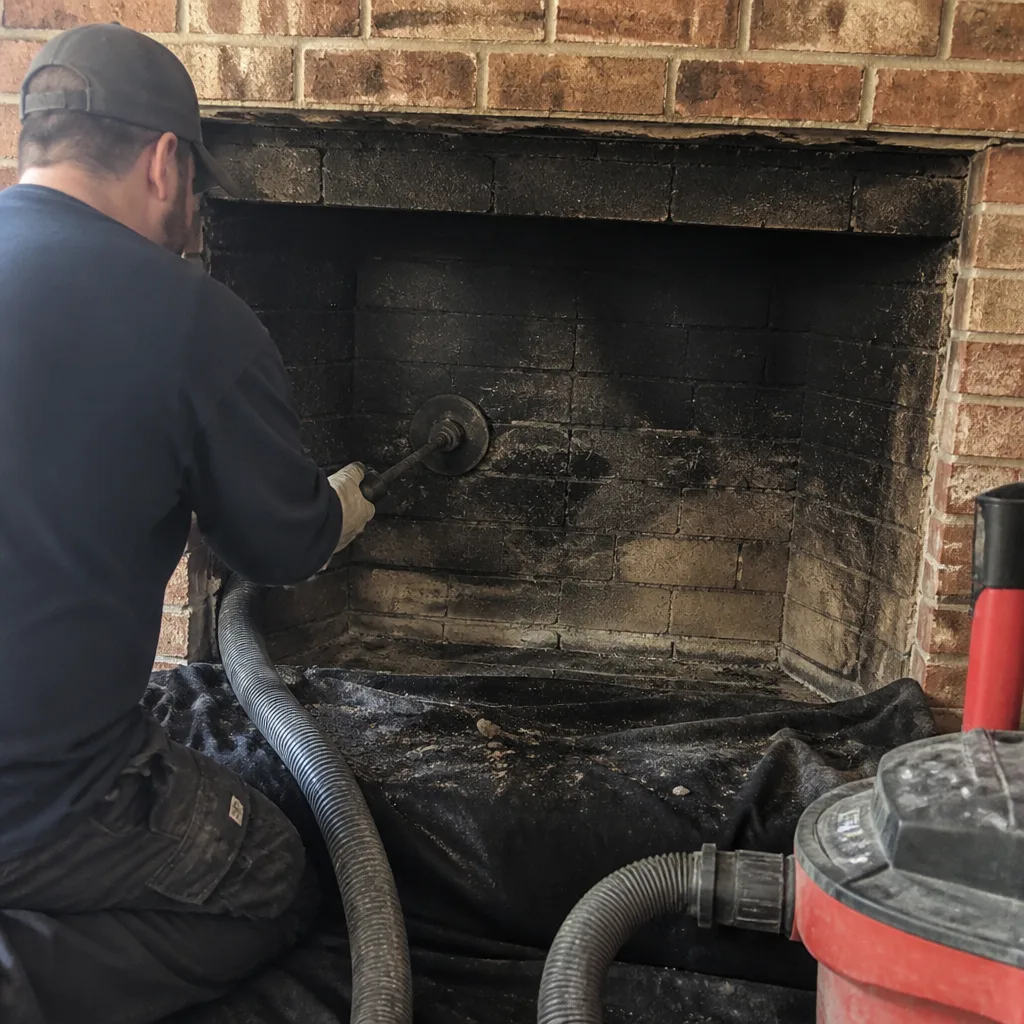 Before
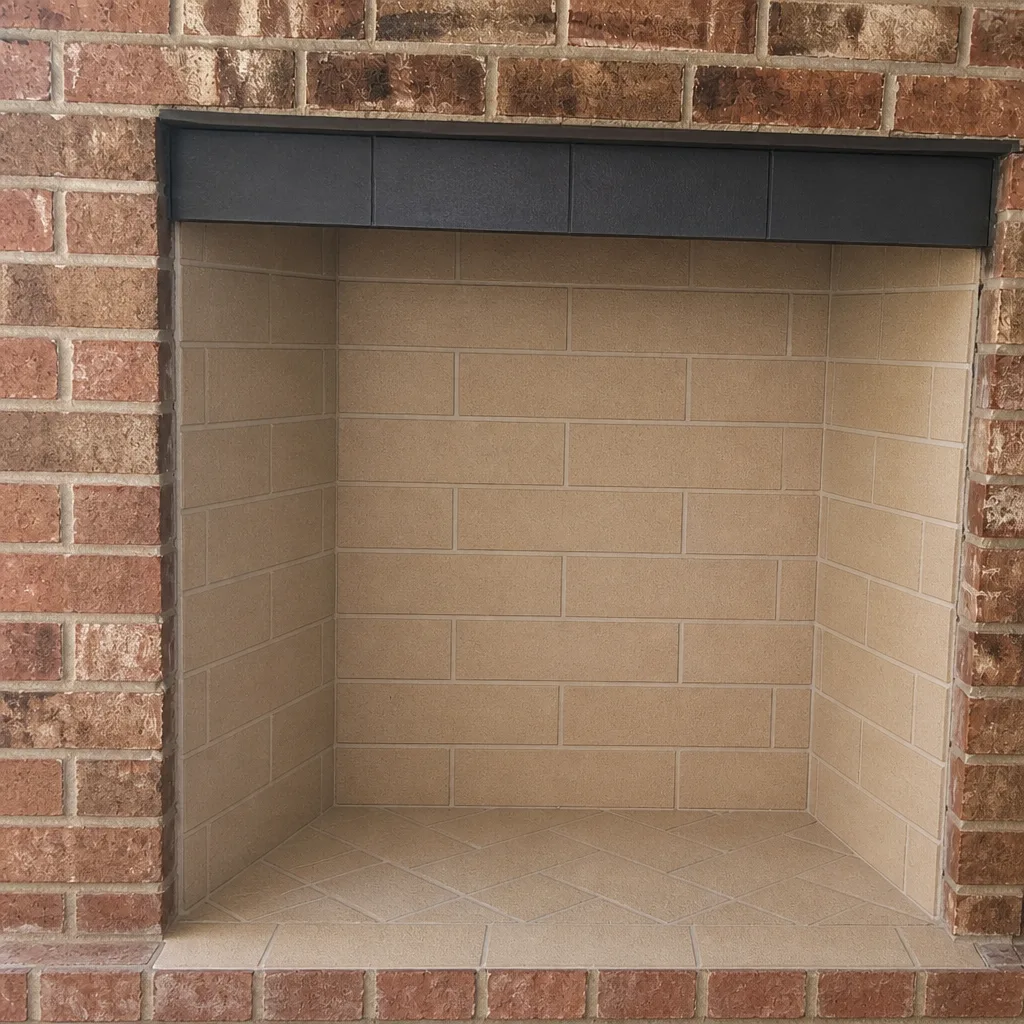 After
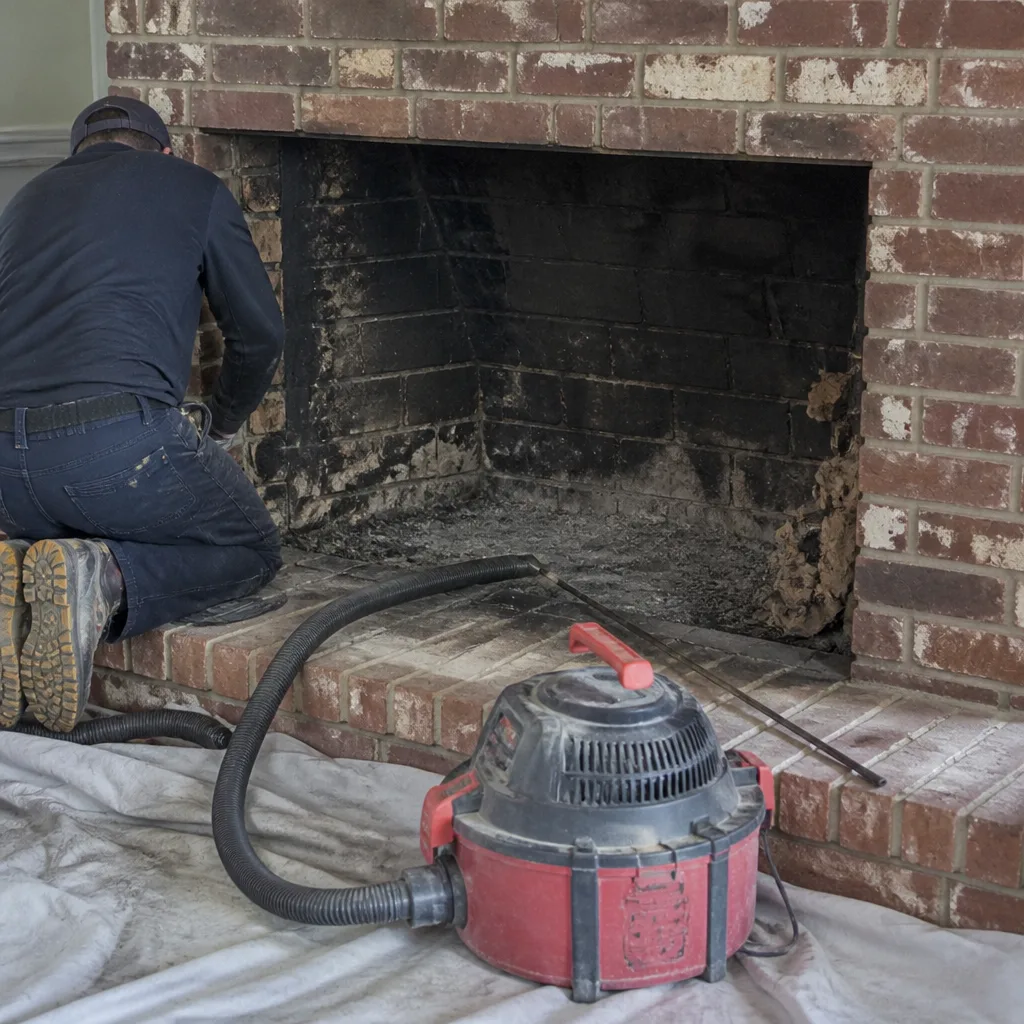 Before
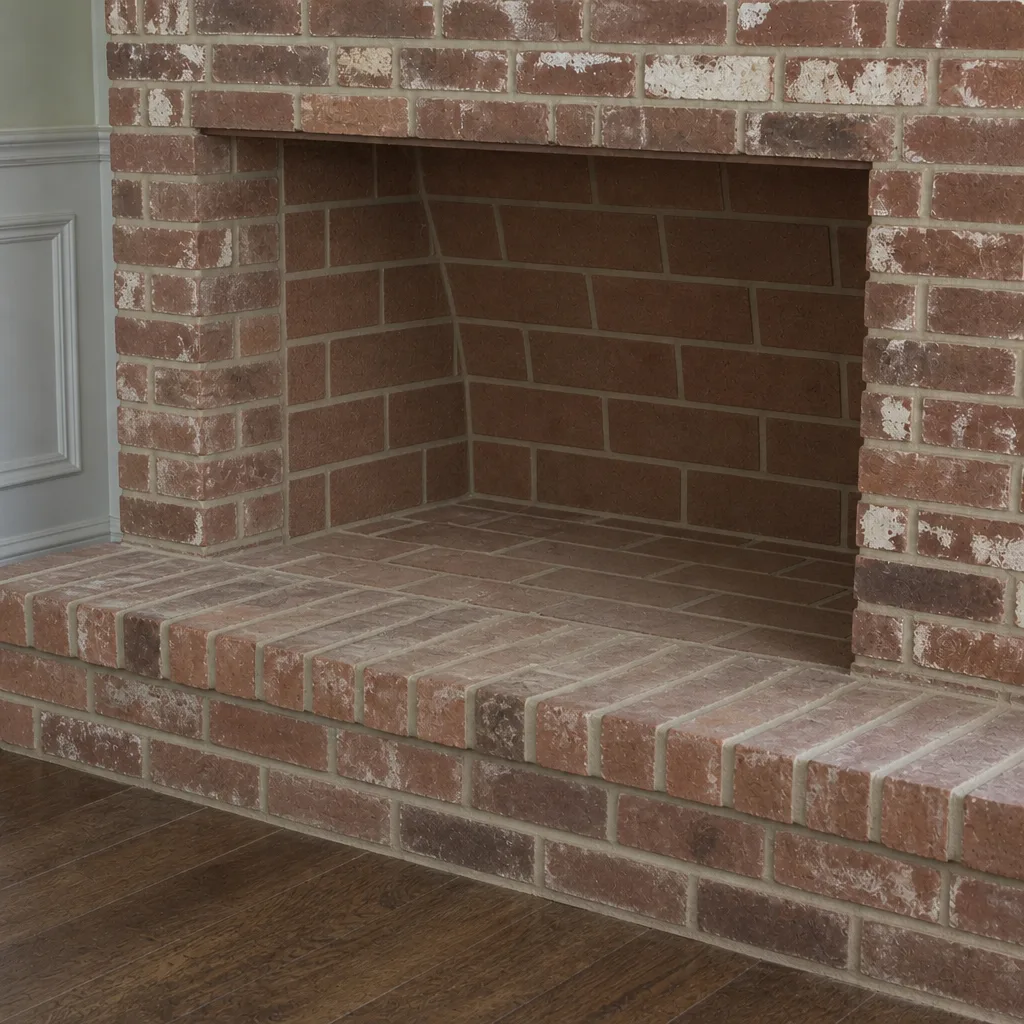 After
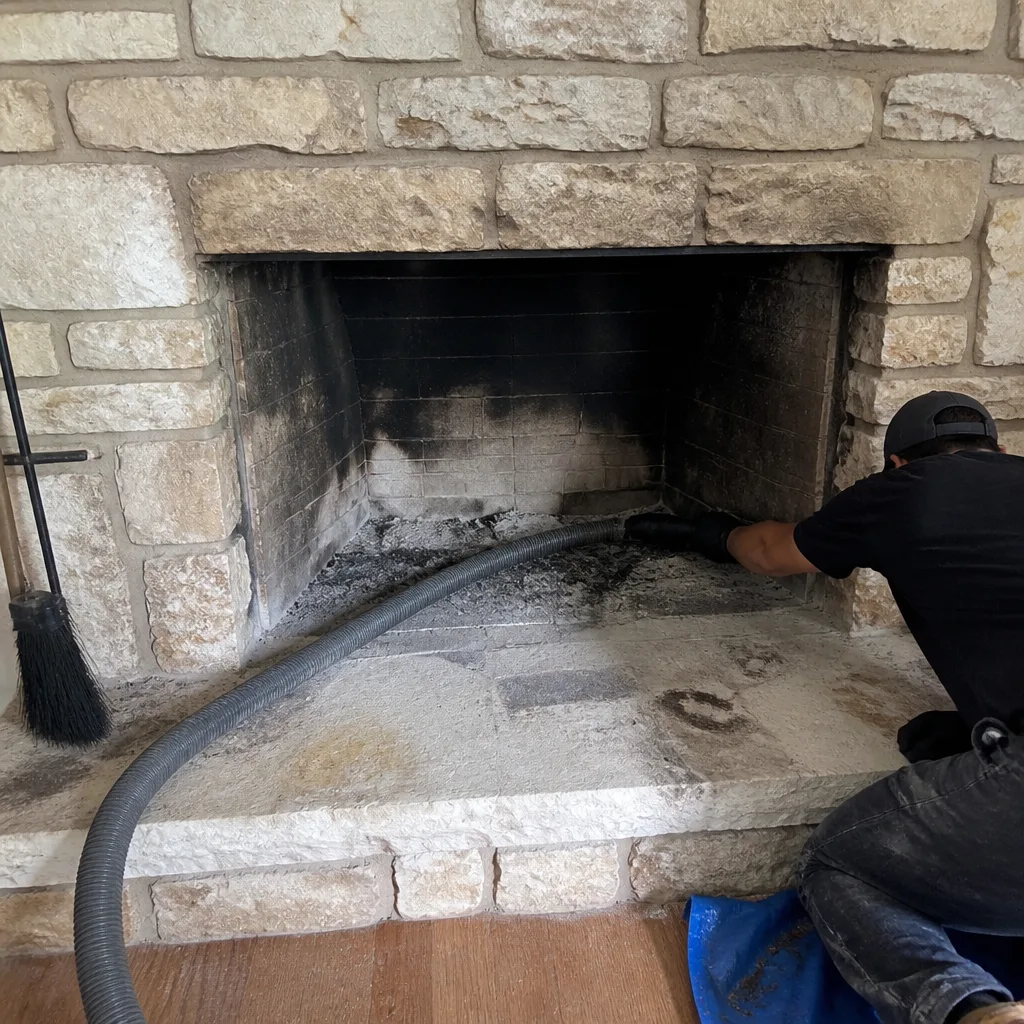 Before
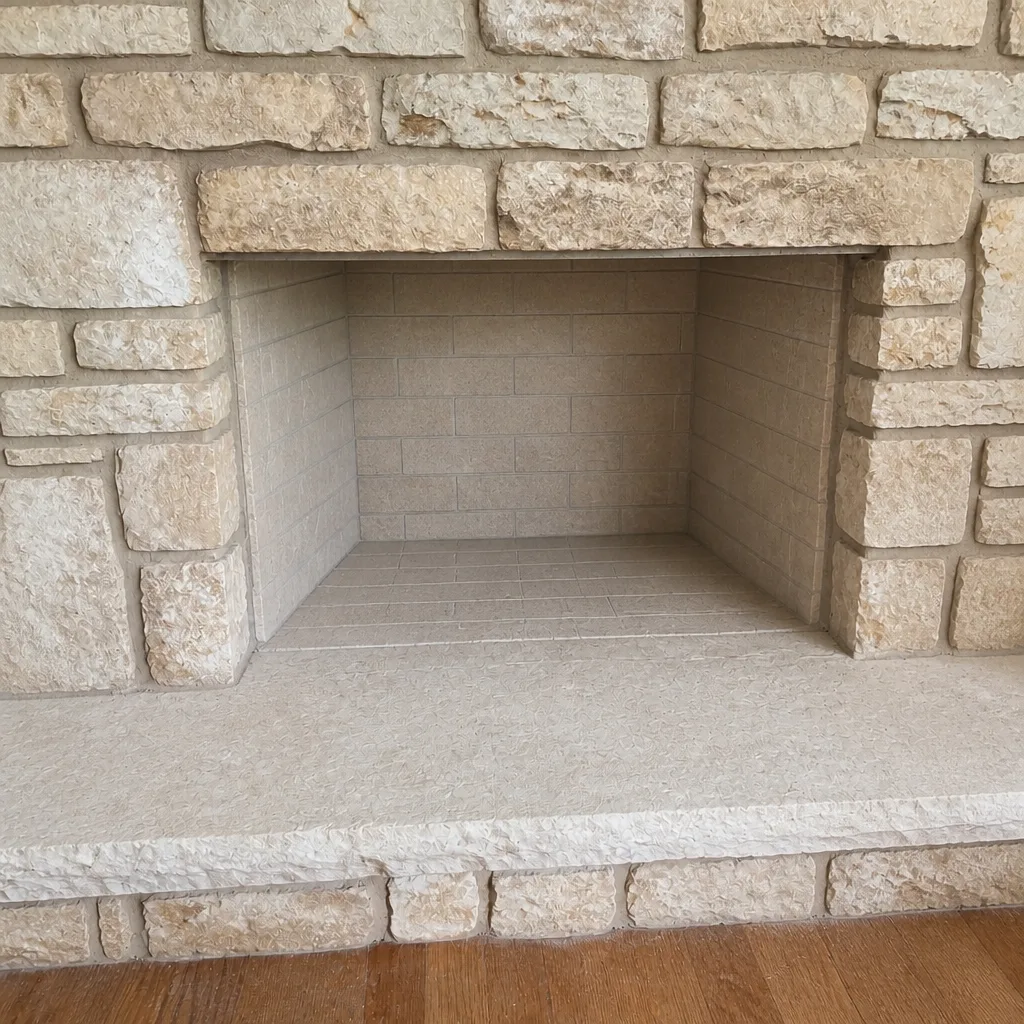 After