
Last updated November 24, 2026
 Sweep & inspection
 Caps & crowns
 Flue relining
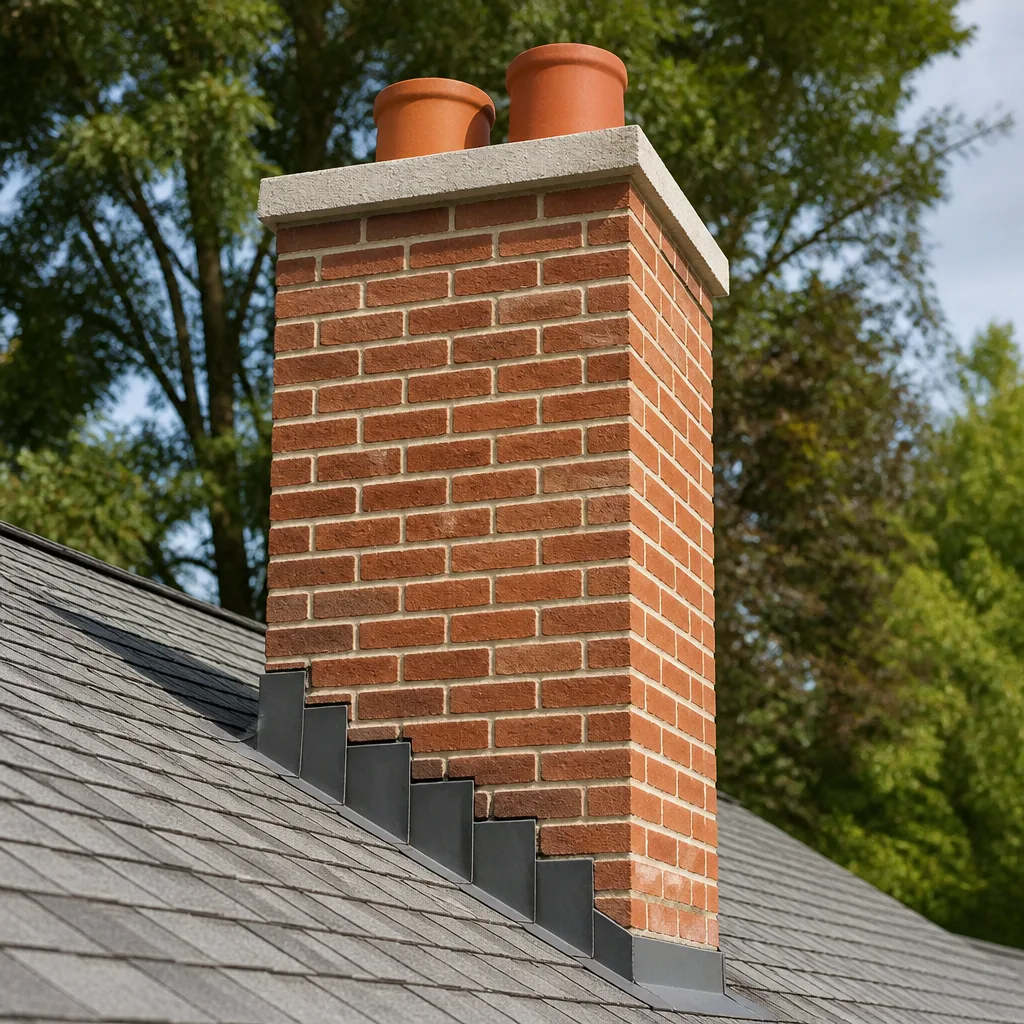 Masonry repair
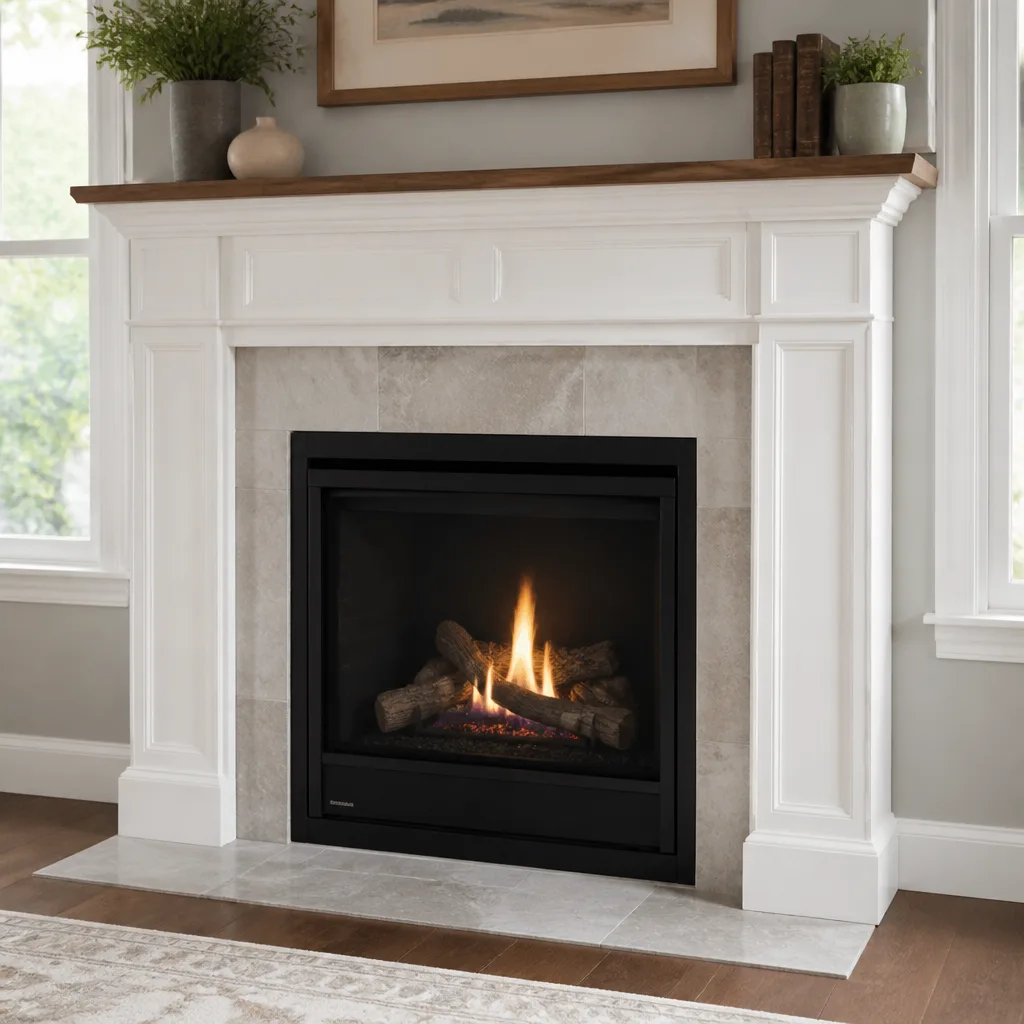 Gas fireplace service
Level 1 sweep and inspection to the NFPA 211 annual standard - flue, crown, cap, and flashing checked and photographed
Chimney sweep logs do not sweep chimneys. They loosen some creosote - which then falls where a brush and vacuum still have to collect it.
How to Hire a Chimney Cleaning Contractor in Westchase: A Step-by-Step Guide
There is no license specifically required to sweep a chimney in Texas. That means the bar to entry for a chimney company is essentially a truck and a brush, and that’s exactly why the vetting process matters more here than in states that regulate the trade. Plenty of Westchase homeowners have paid for a “cleaning” only to later learn their liner had a crack the whole time. This guide gives you a vetting framework built around credentials, scope of work, and the specific questions to ask before anyone climbs on your roof. By the end, you’ll know how to tell a chimney specialist from a general handyman with a side hustle.
Quick Answer
To hire a chimney cleaning contractor in Westchase, ask four things before booking: whether the sweep includes a camera-based inspection, whether you’ll get a written report with photos, whether they carry insurance, and whether they can name the certification body their technician trained under. A $49 flat-rate sweep that skips the inspection is not a bargain; it’s a cleaning with no diagnostic value. The right contractor inspects what they sweep, explains what they find in plain language, and puts the findings in writing.
Styles & brands we work with
- Sweep & inspection
- Caps & crowns
- Flue relining
- Masonry repair
- Gas fireplace service
Table of Contents
- Why Chimney Contractor Vetting Matters More in Texas
- What Credentials Actually Mean: CSIA, NFI and NCSG
- The Five Questions to Ask Before You Book
- Red Flags in Low-Bid Chimney Offers
- Chimney Sweep vs. Chimney Specialist: Why Scope Matters
- How to Compare Quotes Apples-to-Apples
- What’s Different About Chimneys in Westchase
- When to Walk Away From a Contractor
Why Chimney Contractor Vetting Matters More in Texas
In states that license chimney work, a homeowner can check a database before letting anyone on the roof. Texas doesn’t offer that safety net for chimney sweeping. The trade here runs on reputation, certification, and the contractor’s own standards. That puts the burden of due diligence on you.
A chimney sweep in Westchase is a low-barrier business to start. A pressure washer, a set of brushes, a ladder, and a magnetic sign on the truck are enough to market yourself as a chimney company. What that setup doesn’t include is the equipment to inspect a flue, the training to read what a camera finds, or the knowledge to tell you whether that hairline crack in your firebox is cosmetic or a real problem. Most of the chimney-related house fires we hear about through the trade don’t trace to dramatic neglect. They trace to a cleaning that should have triggered a repair conversation and didn’t.
Two things happen when you hire the cheapest option. First, the work is often a surface sweep with no inspection photos, so you have no record of what your flue actually looks like inside. Second, the sweep has no financial reason to spend extra time diagnosing anything, because the price was set before they arrived. A thorough assessment takes time.
Westchase homes face a specific combination. The climate is mild, so fireplaces get used seasonally and then sit dormant for months. During that dormant stretch, moisture and debris accumulate in the flue, and the homeowner has no way to see what’s happening inside the chimney without a camera. A sweep who doesn’t inspect is functionally guessing. Our approach at Chimney Sweep Westchase is to treat every cleaning as a diagnostic opportunity, because in a lightly-regulated market, that’s the only reliable check on a chimney’s condition.
What Credentials Actually Mean: CSIA, NFI and NCSG
Three credentials come up repeatedly in chimney work: CSIA (Chimney Safety Institute of America), NFI (National Fireplace Institute), and NCSG (National Chimney Sweep Guild). CSIA certification is the baseline most homeowners should look for; NFI and NCSG membership indicate deeper trade engagement and are worth asking about. Each signals something different.
- CSIA Certified Chimney Sweep – requires passing an exam on chimney and venting fundamentals, plus continuing education. CSIA certification is the floor, not the ceiling. A CSIA-certified sweep can identify most problems and communicate them clearly.
- NFI (National Fireplace Institute) – certification in hearth appliances, whether wood, gas, or pellet. If your home has a gas insert or a pellet stove, an NFI-certified technician has documented training specific to that equipment.
- NCSG (National Chimney Sweep Guild) – the trade organization. Membership means the contractor is plugged into industry standards and continuing education, though it isn’t a skills test on its own.
Why “floor, not ceiling”? Because certifications verify that a contractor has the knowledge base, not that they’ll apply it on your roof. The ceiling is set by what the contractor actually does on site: whether they camera-inspect the flue, whether they document findings, and whether they can handle the repair themselves or refer it out. That’s the distinction between a sweep who cleans and a specialist who diagnoses and fixes.
A chimney specialist in Westchase should be able to talk through the whole system, not just the firebox. From the damper up through the flue, liner, crown, and cap, each component affects safety. If the person you hire can only address the box or the flue, they can’t tell you if the crown is cracked or the cap is missing.
The other piece is product knowledge. A general handyman fixes chimney problems with off-the-shelf parts from a hardware store. A specialist reaches for professional-grade materials: DuraFlex flexible liner systems for non-standard flue configurations, HeatShield for liner restoration that doesn’t call for a full reline, Gelco and Famco caps and covers, and stock sourced through Olympia Chimney and Copperfield. That specificity matters because the wrong materials fail faster. When you’re interviewing a contractor, ask what brands they install. A generalist often can’t name one.
The Five Questions to Ask Before You Book
If you’re going to spend the time interviewing a chimney company, focus on five questions. Each one reveals something the marketing page won’t. Ask them in this order, and don’t accept a vague answer.
- Does the cleaning include a camera-based inspection of the flue? The sweep should be able to show you video or photos of the inside of your chimney, not just tell you it looked fine. Video inspection is the only way to confirm a flue is clear of cracks, gaps, and obstructions.
- What equipment will you bring? Listen for a chimney camera, a proper rod-and-brush setup sized to your flue, drop cloths, and a HEPA vacuum. If the answer is “a brush and a shop vac,” the person isn’t equipped to inspect what they clean.
- Do you provide a written report with findings? A real inspection produces documentation: photos, a description of what was found, and a clear recommendation on what (if anything) needs attention. Ask to see a sample report.
- Are you insured? Ask for a certificate of insurance. A contractor working on your roof should have general liability coverage and workers’ compensation. This protects you if someone is injured on the job.
- Can you share Westchase-area references? The specific neighborhoods matter because local conditions vary. Ask for references from the Westchase area, and call them.
These five questions separate a real specialist from a side-service provider in about ten minutes of conversation. If a company stumbles on three or more, move on. If they stumble on the first, the conversation is over, because a sweep who doesn’t inspect is cleaning blind.
Note that none of these questions are about price. That’s intentional. You can’t compare price meaningfully until you know what’s included in the job. A $79 sweep with no inspection and a $299 sweep with a camera walk-through and a photo report aren’t the same service, and pricing them side by side is comparing two different products. Once you’ve verified scope on both, the comparison gets fair.
Red Flags in Low-Bid Chimney Offers
The chimney industry has a well-known pattern of low-ball pricing designed to get the contractor through the door, followed by a high-pressure upsell to expensive repairs. The strategy works because the homeowner has no way to verify what was found during the inspection. A few red flags are worth knowing before you call.
- Flat-rate “$49 sweep” pricing that excludes inspection. A sweep at that price doesn’t include time to inspect, which means the sweep and the inspection are decoupled. You’re paying for a cleaning with no diagnostic value.
- No camera equipment on site. If the technician can’t show you the inside of your flue, they’re estimating based on what they can see from the firebox, which is only a fraction of the system.
- No written findings. “It looks fine” without documentation means you have no record. Insurers, home inspectors, and future buyers often want a documented inspection.
- Repairs recommended without camera evidence. A contractor who tells you the liner is failing should be able to show you why. Photo or video evidence is non-negotiable.
- Pressure to decide on the spot. Legitimate chimney repair can be scheduled for another day. A contractor who insists on signing today is selling, not diagnosing.
- Door-to-door solicitations. A specialist doesn’t need to knock on doors. If someone shows up unannounced offering a “special today only,” ask yourself why.
The thing that separates a bad offer from a good one isn’t the price. It’s the evidence trail. A specialist who shows you a photo of a cracked crown and explains exactly what it means is fundamentally different from a contractor who tells you the liner needs replacing and quotes $6,000 on the spot. We’ve heard every version of this. The diagnostic moment is where the trust is built, or lost.
One more flag: contractors who present their repair recommendation as urgent when it might not be. A liner with a small crack may be safe to use for a limited time while you schedule the repair, or it may not, and which one depends on the inspection. A specialist tells you honestly. A salesperson doesn’t.
Chimney Sweep vs. Chimney Specialist: Why Scope Matters
A chimney sweep cleans; a chimney specialist diagnoses and repairs. Most homeowners need both, and the difference matters most the moment a problem shows up. If the person you hire can only sweep, the moment they find something, the job stops and the referral starts, often to a contractor whose work you can’t evaluate.
Full-system chimney care covers five distinct areas:
- Sweeping – removing creosote, soot, and debris from the flue and firebox. This is the routine maintenance layer.
- Inspection – camera-based assessment of the flue, liner, damper, crown, and cap. This is the diagnostic layer.
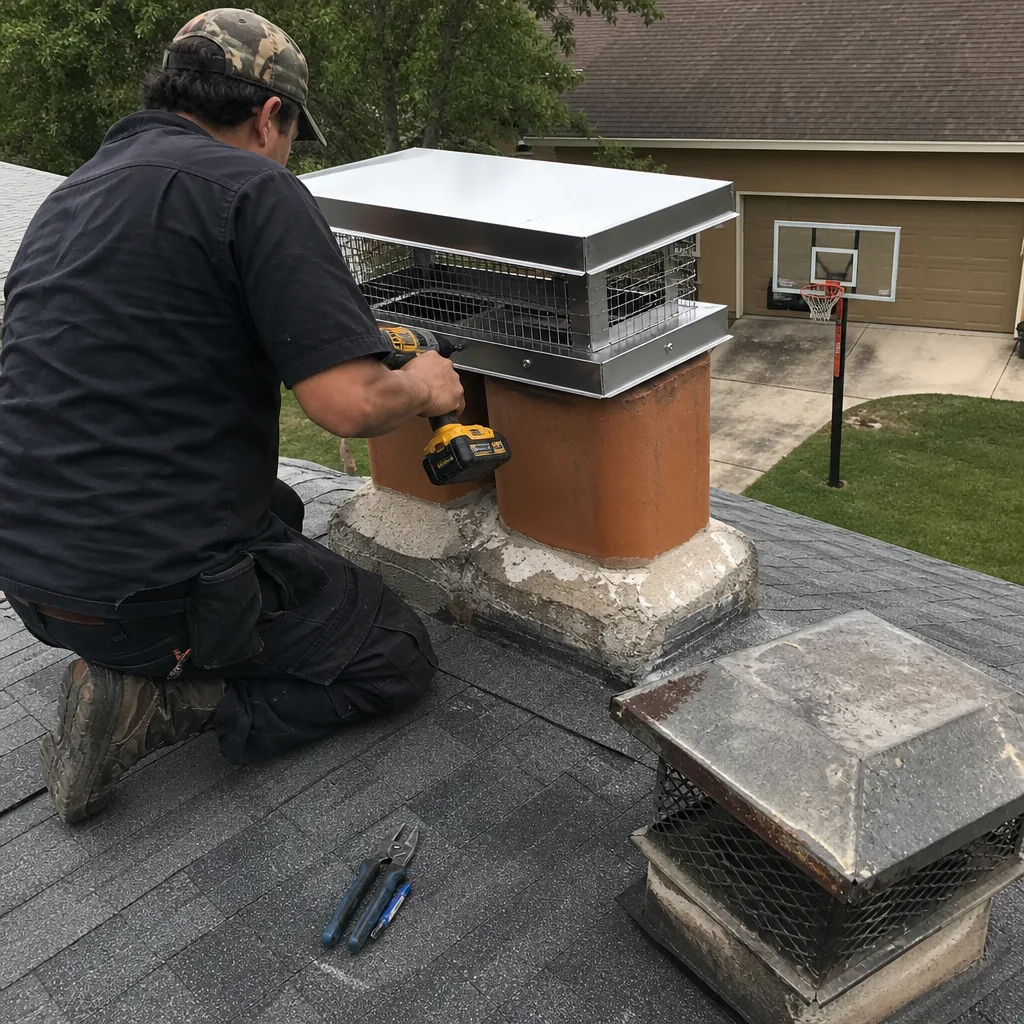
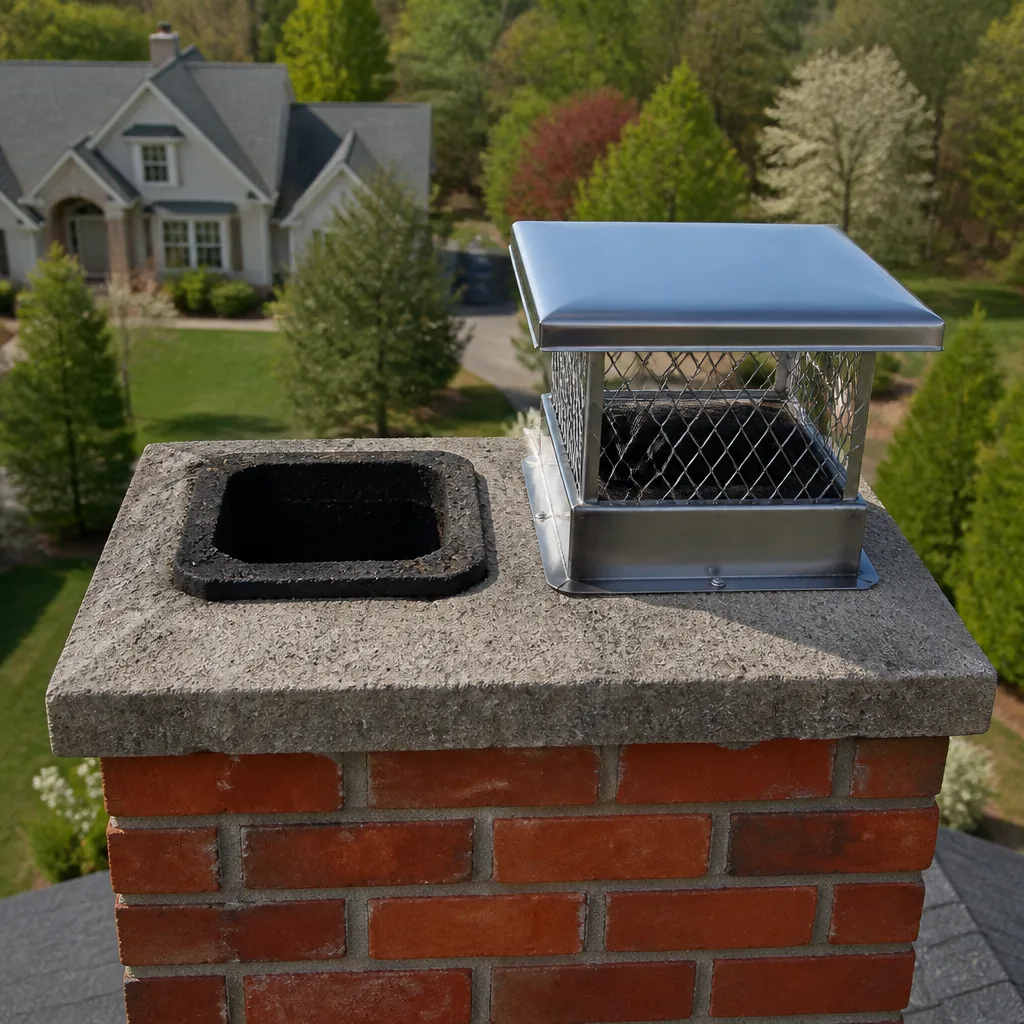
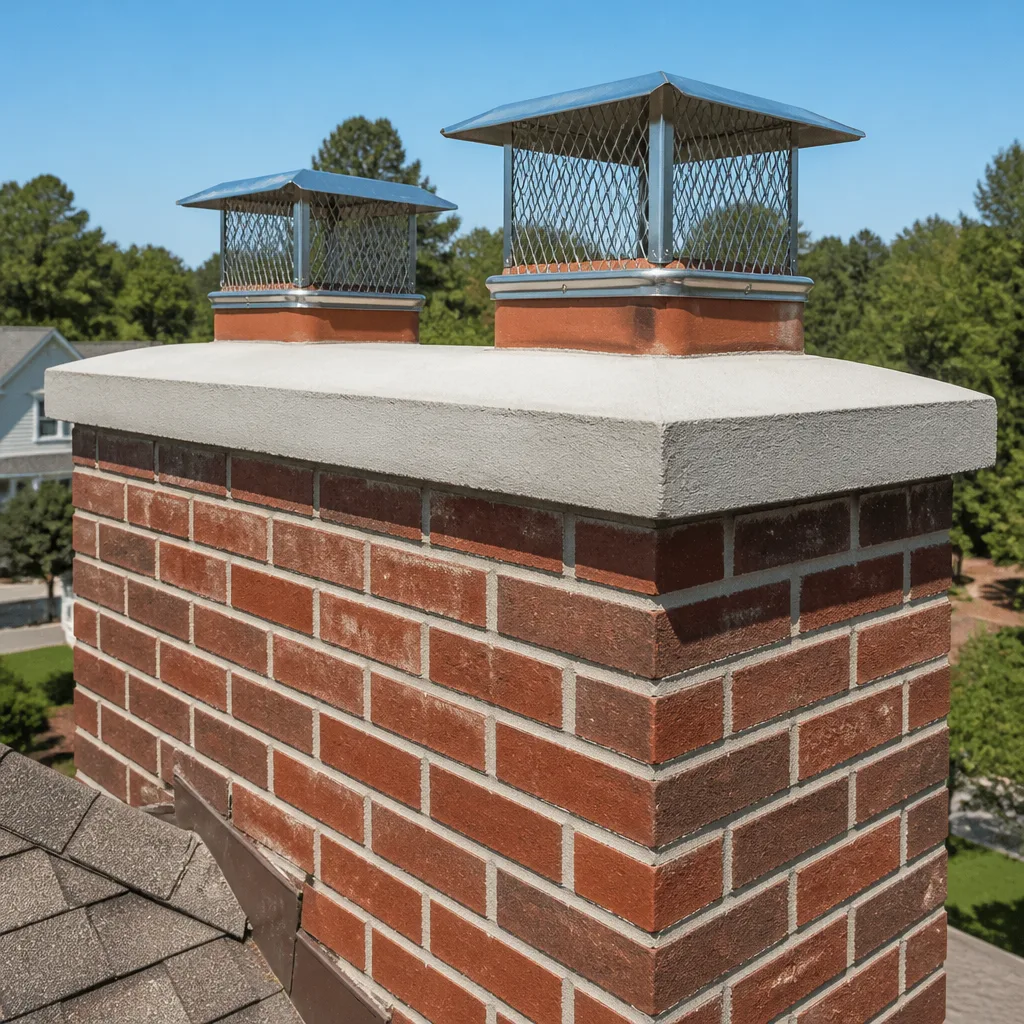
- Cap and crown work – installation or repair of the chimney cap & crown, the components that keep water, animals, and debris out of the flue.
- Fireplace repair – repairing the firebox, damper, hearth, and masonry inside the firebox. This is fireplace repair, and it’s often where a general handyman lacks the right materials and training.
- Chimney repair – fixing flue cracks, liner damage, masonry spalling, and other structural issues that affect chimney safety.
When you hire a sweep who can only sweep, you get a report that ends in “recommend calling a specialist.” Then you hire a second company, pay a second assessment, and lose the continuity of the first conversation. The scope gap is why we built chimney sweep as a diagnostic service, not a cleaning-only service. The same technician who inspects is the one who can quote the repair.
For liner work specifically, the difference between a sweep and a specialist shows up in the material choices. A failing liner may not need a full reline. HeatShield is a resurfacing system that restores a compromised liner from the inside, an option most local sweeps can’t offer because they aren’t authorized to apply it. A full reline with DuraFlex is the answer when the liner is structurally gone and resurfacing won’t hold. The choice between the two depends on what the inspection finds, and only a specialist who carries both has a financial reason to recommend the right one.
The other scope advantage: the chimney cap. We install Gelco and Famco caps because they’re built to last through the weather, not because they’re cheap. A cheap cap that fails in two seasons is more expensive than the right cap. The same logic applies to every part of the system.
How to Compare Quotes Apples-to-Apples
Chimney quotes are easy to compare badly because they’re rarely itemized the same way. One contractor quotes “chimney cleaning – $129” and another quotes “chimney sweep, inspection, and photo report – $289.” The second costs more and is the better value, but only if you know what to look for.
Here’s what should always be included in a chimney cleaning quote:
- Camera inspection of the flue – the walkthrough of the entire flue with video or photos, not just a visual from the firebox
- Written findings and photos – a report you can review after the visit, with the photos attached
- Debris removal – disposal of the creosote, soot, and ash removed during the sweep
- Floor and furniture protection – drop cloths and a HEPA vacuum to prevent soot being redistributed into your home
- Clear recommendations with options – not just “you need X,” but an explanation of what X addresses and whether it can safely wait
Legitimate add-ons look like:
- Thermal imaging of the chimney chase when the inspection finds a spot that might indicate trapped moisture or hidden damage
- A chimney cap installation if yours is missing or damaged, with a choice of Gelco or Famco models
- Crown repair if the crown is cracked, which we schedule as a separate job rather than folding into the cleaning
Illegitimate add-ons are ones that arrive without photo evidence. If a contractor tells you the liner is failing without showing you what they see, ask for the camera walkthrough. If they can’t produce it, don’t buy the repair.
When you compare two quotes, put them side by side and ask what’s excluded from each. A quote that includes a camera inspection and a written report is worth more than a quote that doesn’t, even at a higher price. The cleaning itself is a known quantity. The diagnostic work is where the value lives.
What’s Different About Chimneys in Westchase
Westchase’s climate is mild compared to most of the country, but the pattern of fireplace use here creates its own chimney issues. Homeowners tend to burn seasonally and then leave the chimney idle for months. That pattern accelerates the buildup of creosote during burn season and allows moisture intrusion during the off-season, which is when the crown and cap do most of their work.
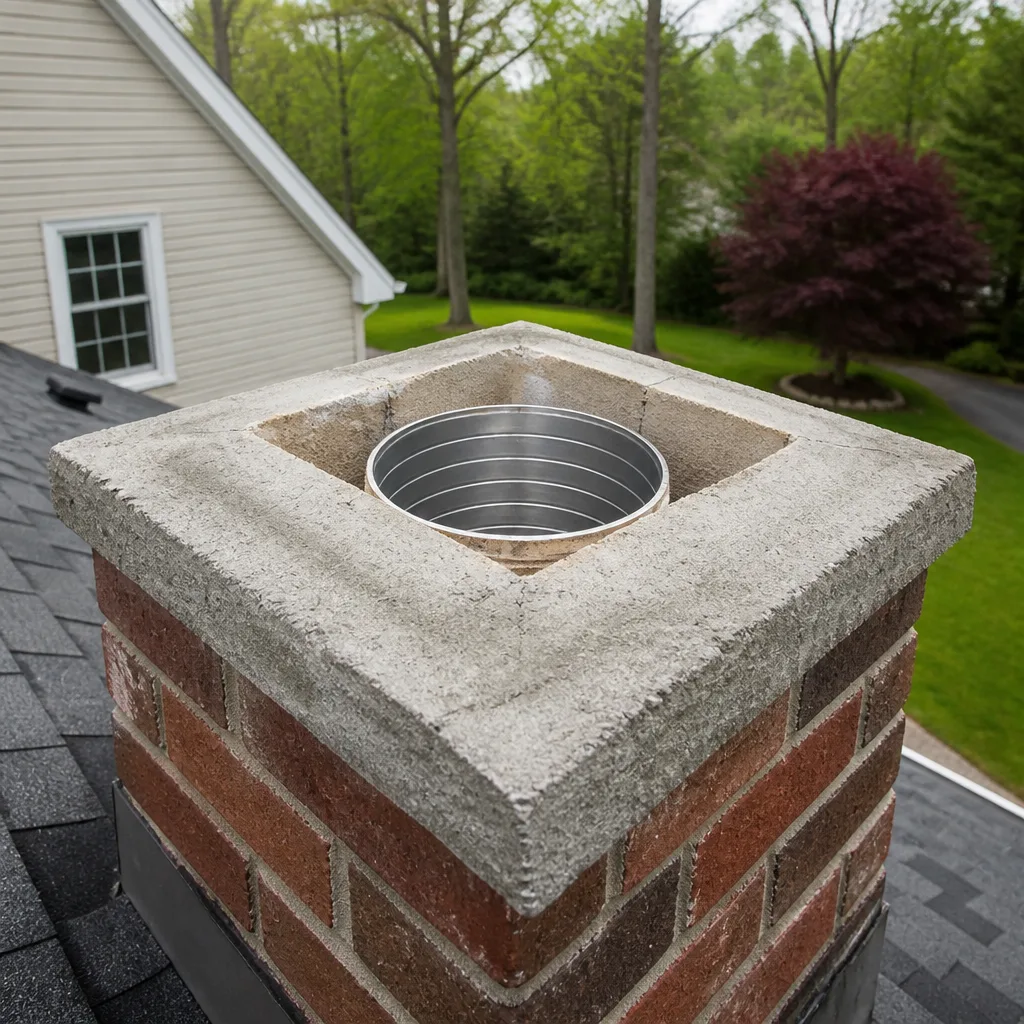
The housing stock in Westchase adds a second variable. Fireplaces built in the 1980s and 1990s are common, and many were originally built with masonry flues that have aged through decades of seasonal use. A camera inspection on a Westchase home of that era frequently finds flue cracks, spalled mortar joints, or a crown that’s developed cracks from years of sun exposure. None of these are emergencies in the sense of “fire tonight,” but all of them are worth knowing about before they get worse.
Humidity plays a role too. Westchase sits in a coastal-plain climate with high ambient humidity for much of the year, and masonry chimneys are porous. Water finds its way in through cracks in the crown or around the chimney cap, then slowly degrades the masonry from the inside. A cap that’s missing or damaged is the most common source of water intrusion. If you’re in the market for a new cap or crown repair, ask specifically about the grade of material and how it handles sustained humidity, not just cold weather.
One more Westchase-specific point: the local housing stock includes a lot of two-story homes with chimneys that are visually easy to inspect from the ground but hard to assess without actually getting on the roof. A contractor who only checks from the ground can’t confirm the crown’s condition. Ask whether their inspection includes a roof-level examination of the chimney exterior.
When to Walk Away From a Contractor
Most homeowners don’t walk away when they should, because the contractor is already in the house and the conversation has gotten awkward. A few clear signals mean it’s time to end the appointment and start over with someone else.
- They can’t show you the inside of the flue. A camera walkthrough isn’t optional. If the equipment isn’t on the truck, they aren’t equipped to inspect.
- They recommend a repair without documented evidence. “The liner is bad” without a photo is a sales pitch, not a diagnosis.
- They’re pressuring you to sign today. Chimney repairs can be scheduled. The urgency is seasonal, not hourly, and a contractor who pushes you to commit on the spot is pushing for a reason.
- They can’t produce references from the Westchase area. Local references matter because the climate and housing stock are specific. Ask for two or three and call them.
- They recommend work you can’t verify and won’t let you verify. A specialist welcomes the conversation. A salesperson deflects it.
- They suggest a chimney service is covered by homeowner’s insurance. Chimney repairs are rarely covered by insurance unless the damage stems from a covered event. A contractor who pitches insurance coverage as a way to afford a repair is stretching the truth.
The right contractor is comfortable with all of these questions. They’ll bring a camera, offer the photos, explain the repair in plain language, and tell you when work can wait. That’s the difference between a specialist and a salesperson.
Common Mistakes to Avoid
- Booking the cheapest sweep in Westchase without checking scope. A $49 sweep is not a $49 cleaning; it’s a cleaning with no inspection attached, and the two are functionally different jobs. Ask what’s included before you book, not after.
- Skipping the camera inspection because the sweep “looked fine.” The firebox is a fraction of the chimney system. Without a camera, you have no idea what the flue looks like, and most liner failures don’t announce themselves.
- Accepting a repair quote with no photos. If a contractor can’t show you the crack, the spalling, or the crown damage, ask for the evidence. If they can’t produce it, don’t authorize the repair.
- Hiring a general handyman for chimney work. A handyman with a brush can sweep. They usually can’t inspect, diagnose, or repair a liner, and the moment a problem shows up, the job stops. Specialists cover the whole system.
- Assuming chimney work is covered by homeowner’s insurance. Standard homeowner’s policies typically cover chimney damage from a covered event (like a fire) but not routine maintenance or wear. Read your policy before planning around coverage.
- Waiting until the fireplace smells like smoke to book a cleaning. By the time you smell smoke in the room, you likely have a flue obstruction or a backdraft problem. A sweep before the season is cheaper than a diagnosis after the first fire.
- Comparing quotes without matching line items. A quote with inspection and a written report is worth more than a cheaper quote without, and treating them as equivalent is a common mistake in Westchase.
See the difference
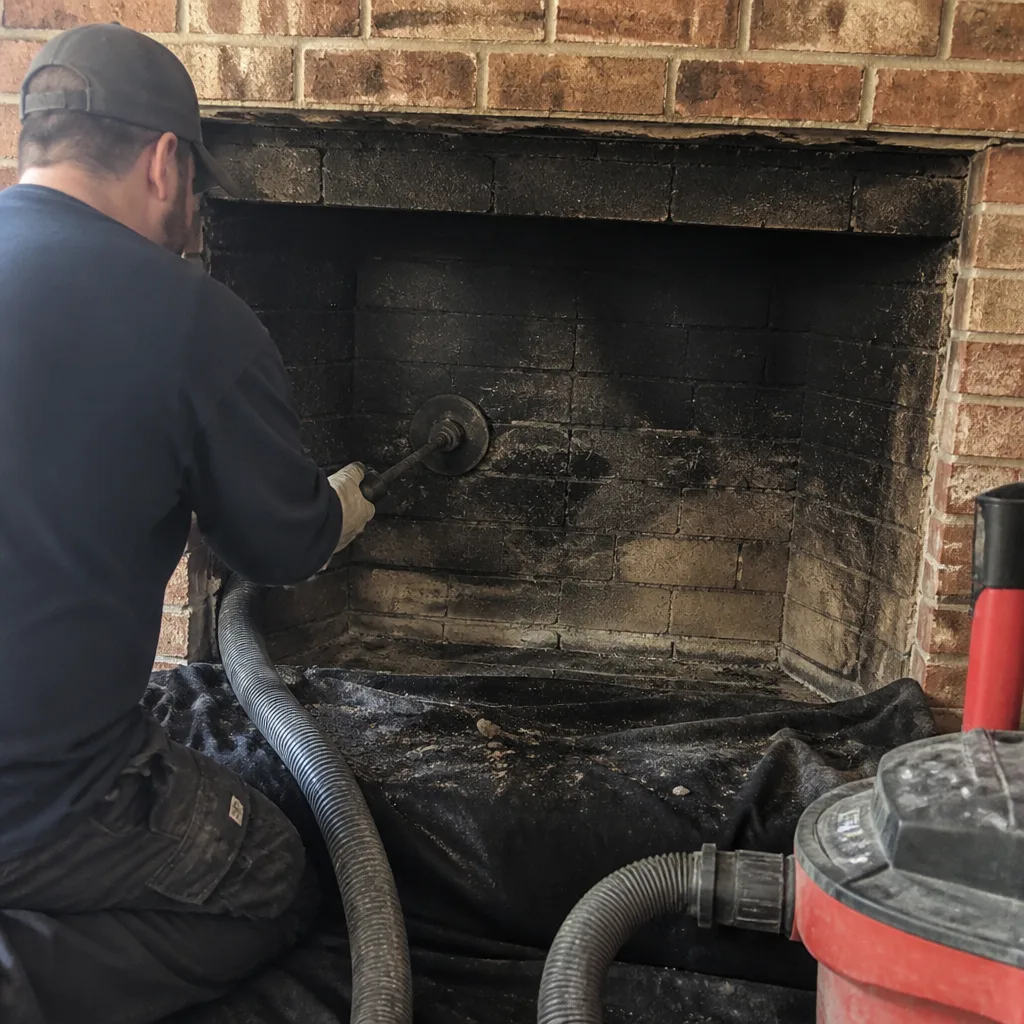 Before
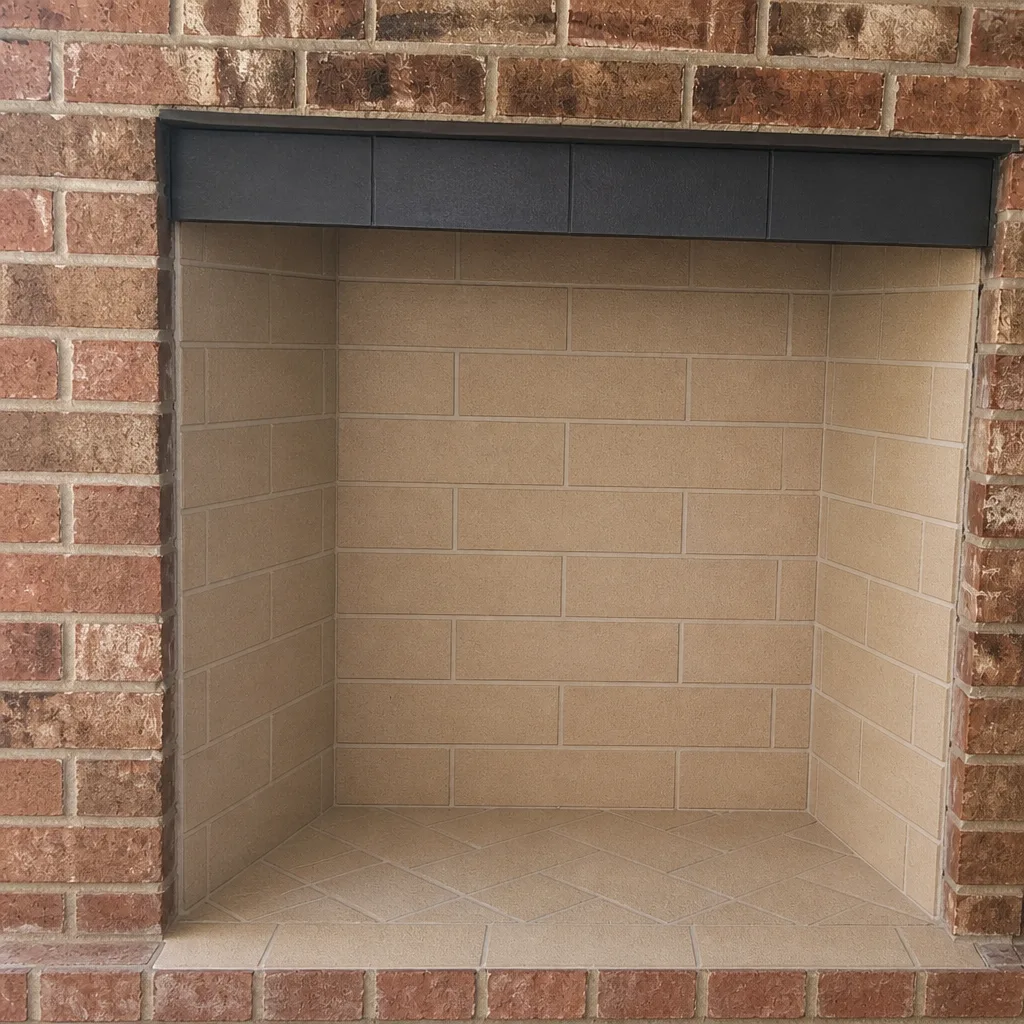 After
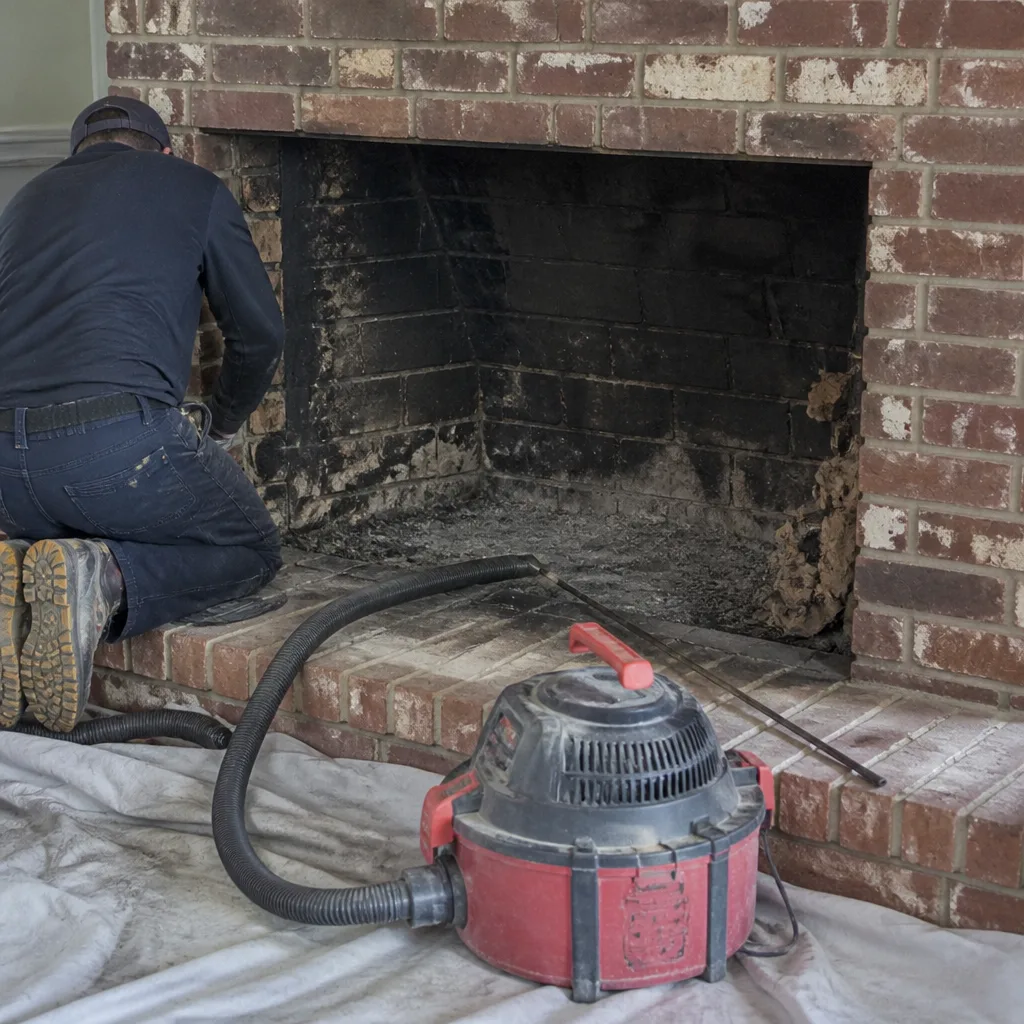 Before
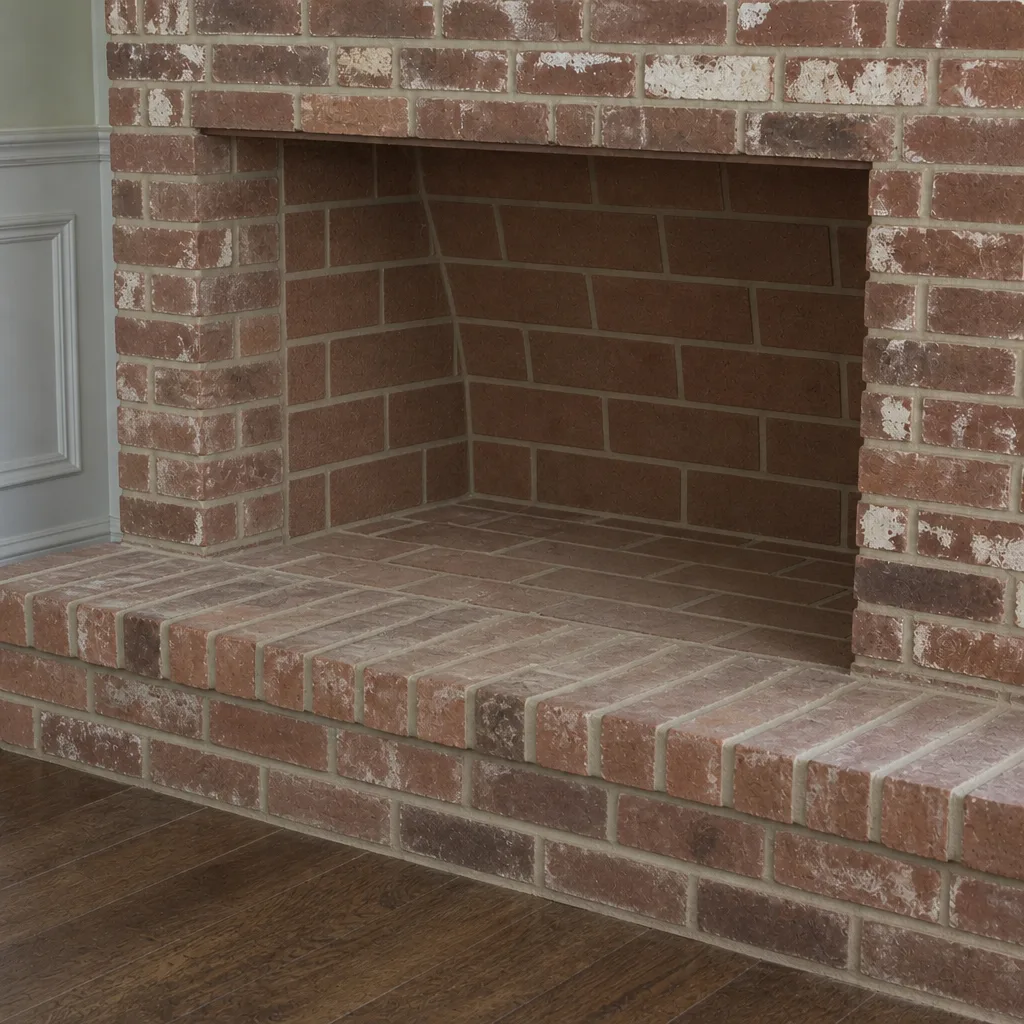 After
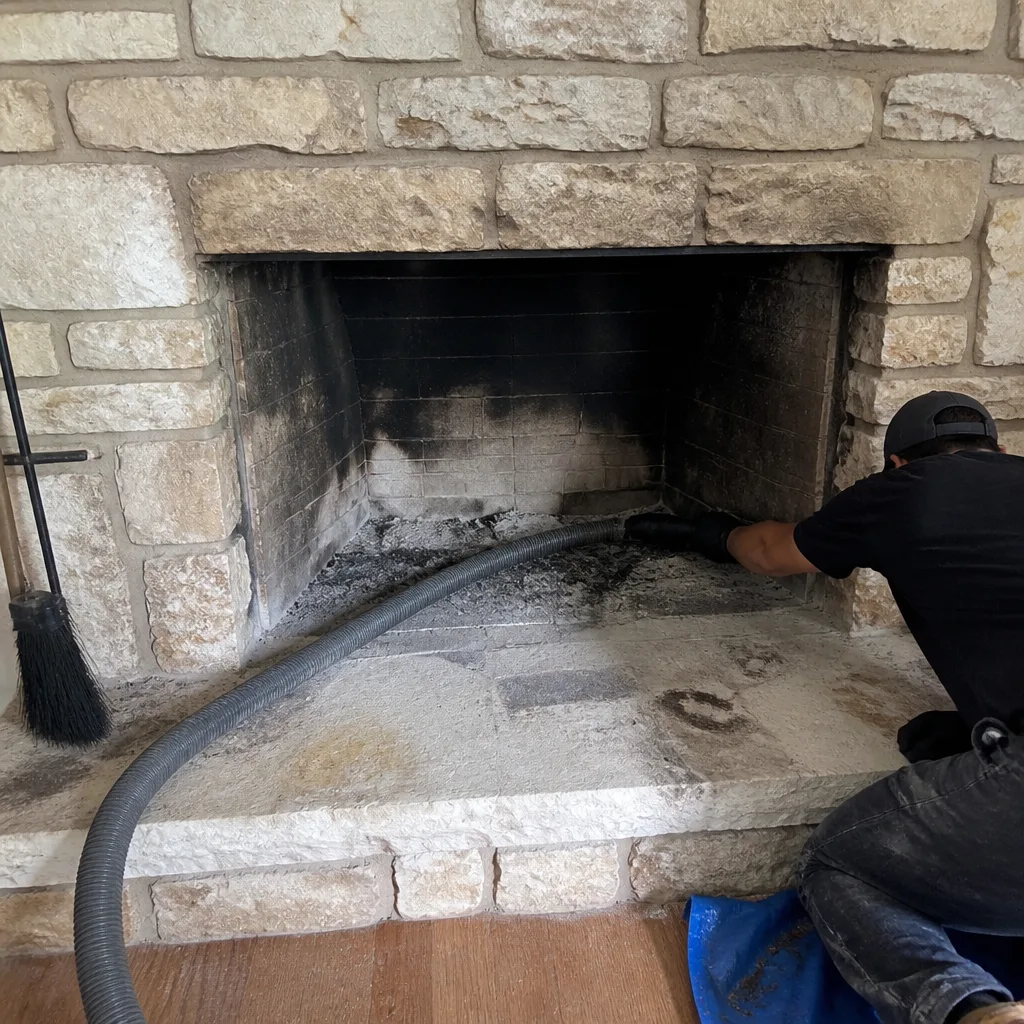 Before
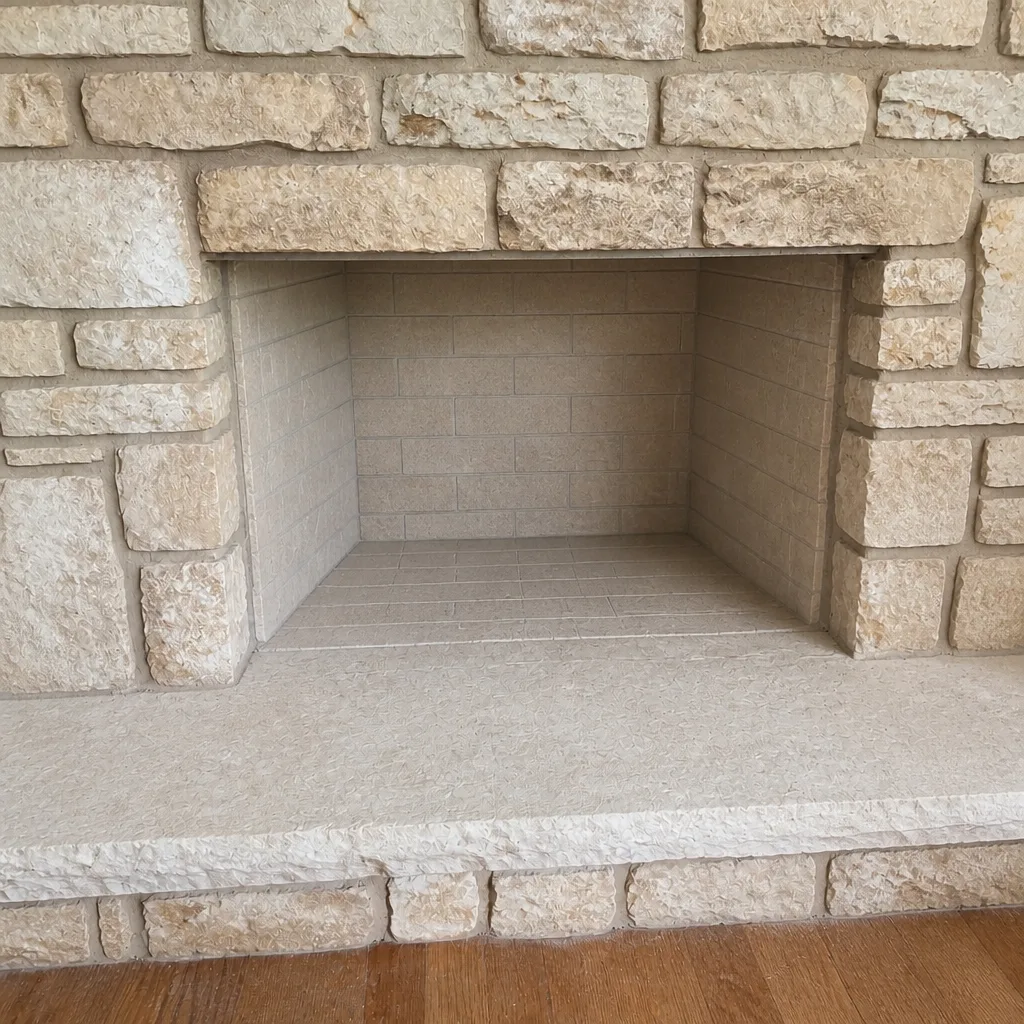 After
When to Call a Professional
Some chimney situations call for a specialist and don’t wait for the next seasonal sweep. If you smell smoke in the room while a fire is burning, if the fireplace drafts poorly, if you see cracked masonry on the firebox, if the crown has visible cracks, if the chimney cap is missing, or if you’ve had a chimney fire, schedule an inspection. If you’re buying a home in Westchase with a fireplace and the seller hasn’t produced a documented chimney inspection, book one before you close. If you’ve had a sweep that didn’t include a camera inspection, consider a follow-up diagnostic. Our technicians have up to 9 years of experience, and we inspect what we sweep, from firebox to chimney cap. The local pro we connect you with is licensed and insured as their state requires, and nothing gets recommended without camera evidence you can see for yourself. Chimney Sweep Westchase offers free estimates in Westchase, and you can reach us at (844) 443-3785. We answer 24/7. Fast dispatch from 7am to 7pm, Sunday through Friday.
Frequently Asked Questions
Chimney cleaning in Westchase typically costs $150 to $350 for a standard sweep that includes a camera inspection and a written report. A cleaning without an inspection often runs $79 to $150, but it provides far less value because there’s no documentation of the flue’s condition. The written estimate sets the final price for your specific chimney. Call (844) 443-3785 for an exact quote; estimates are free.
You need both. A sweep removes creosote and debris; an inspection tells you what shape the flue, liner, crown, and cap are in. The firebox lets a technician see only a fraction of the chimney system. Camera equipment reaches the full flue, and photo or video findings are the only reliable way to confirm a liner is intact. Any sweep that skips the inspection is cleaning blind. Call (844) 443-3785 to book one that includes it.
Most heating and safety organizations recommend a chimney sweep when a quarter-inch or more of creosote has built up in the flue, which for many Westchase homeowners means a sweep roughly once a year during active fireplace season. Homes that burn frequently may need it more often, and homes that rarely use the fireplace may run two years. An annual inspection is worth doing regardless, because damage often develops during the off-season. Call (844) 443-3785 to schedule an inspection and get a straight answer for your chimney.
You should be home, because the technician will want to walk you through the findings and show you the photos or video from the inspection. Being present also means you can ask questions about anything they surface, whether it’s the condition of the crown, the state of the damper, or the amount of creosote they removed. This conversation is where you decide whether to book a repair or wait. If you have schedule constraints, call (844) 443-3785 and we’ll work through the timing with you.
Skipping a year isn’t automatically dangerous, but it means you won’t know if the flue has developed a crack, if the crown has started to fail, or if creosote has reached a level that’s a real fire risk. Chimney fires often go undetected because they burn hot and quick inside the flue. Safety organizations report that many serious chimney fires happen in flues that had undetected buildup or liner damage. The tradeoff for skipping is uncertainty, not an automatic hazard. Call (844) 443-3785 to get a current picture of your chimney’s condition.
Texas does not require a license specifically for chimney sweeping, which is why the credentials question matters. Look for CSIA certification, which requires passing an exam on chimney and venting fundamentals and continuing education to maintain. Ask about NFI certification if your home has a gas or pellet appliance, and confirm the contractor carries general liability and workers’ compensation insurance. The local pro we connect you with is licensed and insured as their state requires. Call (844) 443-3785 to talk through what to ask.
The Bottom Line
Hiring a chimney cleaning contractor in Westchase comes down to four things: verified credentials, a camera inspection, a written report, and a scope of work that covers the whole chimney system. CSIA certification is the floor; NFI and NCSG indicate a deeper trade commitment. The five questions to ask before booking will separate a specialist from a generalist in ten minutes. Red flags in low-bid offers are consistent: no camera equipment, no written findings, and repairs recommended without evidence. Compare quotes by what they include, not by the headline price, because a sweep that skips the inspection isn’t a bargain. For a specialist who inspects what they sweep and covers the full chimney from firebox to cap, Chimney Sweep Westchase is ready to help.
Call (844) 443-3785 for a free estimate. We answer 24/7. Fast dispatch from 7am to 7pm, Sunday through Friday. When you’re ready to book, we can go through what your chimney needs and what can safely wait, and we’ll never recommend a repair without camera evidence you can see yourself.
Written by the team at Chimney Sweep Westchase.